

Campaigns with authentic outdoor imagery consistently outperform generic stock alternatives, yet most outdoor brands still treat photography as an afterthought in their budgets. If your visual assets look like they could belong to any brand in any industry, you are already losing the battle for audience attention. The outdoor and adventure market is built on emotion, aspiration, and identity. Generic visuals simply cannot carry that weight. This article walks through the strategic value of professional outdoor imagery, backed by real-world data and practical frameworks, so you can make smarter investment decisions and build campaigns that actually connect.
Table of Contents
- The power of outdoor imagery in brand storytelling
- Measuring the ROI of investing in high-quality outdoor imagery
- Authenticity and credibility: Why original outdoor imagery matters
- Integrating outdoor imagery across marketing channels
- Our take: Why most brands miss the mark with outdoor imagery
- Ready to elevate your brand with high-impact outdoor imagery?
- Frequently asked questions
Key Takeaways
| Point | Details |
|---|---|
| Outdoor imagery boosts engagement | Using authentic outdoor visuals significantly increases customer engagement and brand recall. |
| High ROI from visual investment | Campaigns with original imagery typically outperform those using generic images in both conversions and reach. |
| Authenticity matters | Consumers trust brands more when they showcase real experiences, not just polished stock photos. |
| Integrate across channels | Reinforcing your visual identity everywhere maximizes the impact and consistency of your outdoor brand message. |
The power of outdoor imagery in brand storytelling
Outdoor imagery refers to professionally captured photography and video that places your brand, product, or experience within a real, dynamic natural environment. This is not just an aesthetic choice. It is a core storytelling tool that signals authenticity, adventure, and credibility to your target audience.
The psychology behind this is straightforward. Humans are wired to respond to natural environments. Images of mountains, trails, rivers, and open skies trigger emotional responses tied to freedom, challenge, and aspiration. When your brand appears inside those moments, those emotions transfer to your product. That emotional transfer is what separates forgettable campaigns from ones that build loyal communities.
High-quality outdoor visuals serve a wide range of campaign needs:
- Product launches: Show gear performing in real conditions, not a studio
- User testimonials: Pair authentic athlete or customer stories with imagery that validates the experience
- Social media content: Feed audiences visuals that stop the scroll and drive shares
- Events and activations: Document experiences in ways that extend reach far beyond attendees
- Editorial and press: Supply publications with imagery that earns placements and builds authority
Brands that invest in outdoor photographer collaboration consistently report stronger audience trust and higher engagement metrics compared to those relying on stock libraries.
“Brands using authentic outdoor imagery in marketing see significant increases in customer trust and engagement.” The difference is not subtle. Audiences in the outdoor space are exceptionally good at spotting content that feels staged or misaligned with real outdoor culture.
Beyond photography, videography for outdoor marketing adds another layer of storytelling depth. Motion captures pace, sound, and environment in ways that still images cannot. Combined, photo and video create a visual language that outdoor audiences recognize and respect.
The brands that dominate outdoor marketing do not just show products. They show transformation. Their imagery puts the viewer inside a moment and asks, “What if that were you?” That question is worth far more than any tagline.
Measuring the ROI of investing in high-quality outdoor imagery
Knowing the narrative power of imagery, it is critical to understand the concrete returns on this investment. ROI for visual content shows up in several measurable ways: social engagement rates, website conversion rates, time-on-page, email click-through rates, and earned media value from press placements.
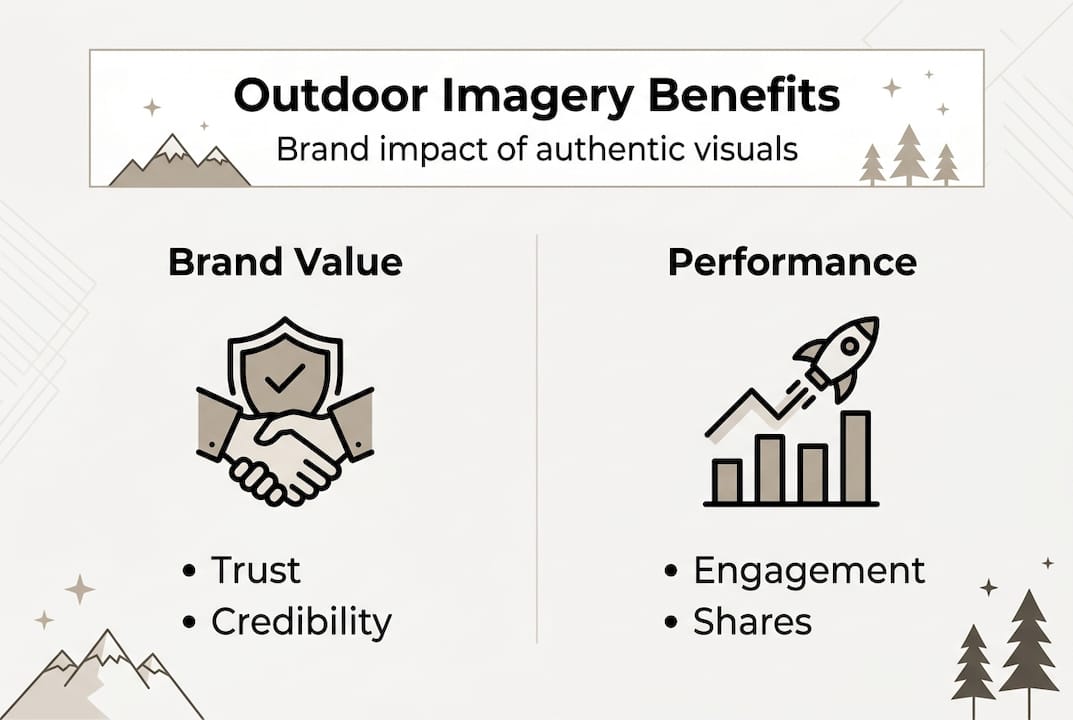
Well-produced outdoor visuals can raise campaign conversion rates and social shares significantly, especially when imagery is tailored to the platform and audience. Here is how custom outdoor imagery compares to stock options across key metrics:
| Metric | Stock imagery | Custom outdoor imagery |
|---|---|---|
| Audience trust score | Low | High |
| Social engagement rate | Below average | 2x to 3x higher |
| Campaign conversion rate | Baseline | Up to 40% higher |
| Brand recall after 30 days | Minimal | Significantly stronger |
| Press and editorial placement | Rare | Common |
The numbers make a strong case. Custom outdoor content is not a luxury. It is a lever.
Stat callout: Campaigns using custom, location-specific outdoor visuals report social share rates up to three times higher than equivalent campaigns using stock photography. That kind of organic amplification dramatically reduces paid distribution costs.
Pro Tip: Before briefing a photographer, map your visual needs to specific campaign KPIs. If your goal is social engagement, prioritize dramatic, share-worthy action shots. If your goal is conversion, focus on imagery that shows the product in use during realistic, aspirational scenarios. Matching visual investment to campaign goals is how you maximize returns.
When you streamline outdoor photo workflow from shoot to delivery, you also reduce production delays that eat into campaign windows. Efficiency in production is part of the ROI equation too. The cost of a professional outdoor shoot is often recovered within a single campaign cycle when the imagery performs at its potential.
Authenticity and credibility: Why original outdoor imagery matters
While ROI metrics are compelling, the question of authenticity cannot be overlooked. In the outdoor and adventure space, your audience is made up of people who actually hike, climb, ride, and paddle. They know what real looks like. They know what fake looks like too.
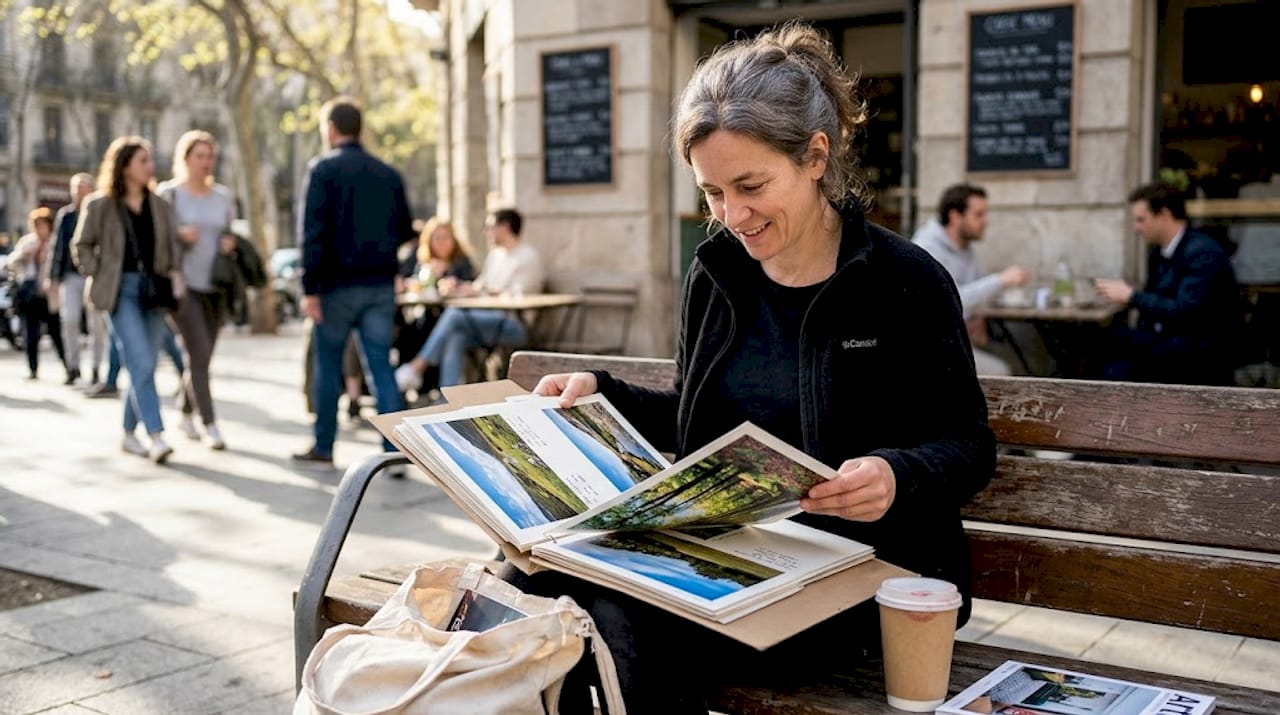
Audiences are quick to spot and reject stock photos as inauthentic. When a brand uses an image of a model in pristine gear on a perfectly lit trail with no sweat, no mud, and no context, that audience disengages immediately. Worse, they lose trust in the brand’s credibility.
Here is how authentic imagery stacks up against stock across the dimensions that matter most:
| Dimension | Authentic outdoor imagery | Generic stock imagery |
|---|---|---|
| Brand recognition | Strong and distinct | Weak and interchangeable |
| Audience emotional response | High resonance | Flat or skeptical |
| Social sharing likelihood | High | Low |
| Editorial suitability | Excellent | Limited |
| Long-term brand equity | Builds over time | Does not contribute |
To make sure your imagery is genuinely authentic, follow these steps:
- Work with experienced outdoor photographers who understand the environment, the sport, and the culture
- Brief for brand alignment so every shot reflects your values, not just generic outdoor aesthetics
- Verify originality by confirming all imagery is shot specifically for your campaign and is not re-licensed stock
- Include real athletes or customers to ground the visual story in genuine experience
- Review for cultural accuracy to make sure the imagery reflects the communities your brand serves
If your brand is showing up at events, knowing how to find event photographer talent with outdoor experience is critical. An event photography guide can help you understand what to look for when evaluating that talent. The wrong photographer at a key brand moment costs you more than their fee. It costs you the story.
Integrating outdoor imagery across marketing channels
With authenticity established, let’s look at how to maximize the value of such imagery across channels. Even the most stunning outdoor photography underperforms when it is siloed. The real power comes from strategic integration across every touchpoint your audience encounters.
Your most critical visual touchpoints include your website hero images, social feeds, email campaigns, print catalogs, event backdrops, and paid advertising creative. Each of these channels has different format requirements, but they all benefit from a unified visual identity rooted in authentic outdoor content.
The most impactful integration points to prioritize:
- Website hero images: First impressions define credibility. Use your strongest outdoor imagery here
- Product demo content: Show gear in action, not isolated on white backgrounds
- Social media campaigns: Consistent visual themes build feed coherence and brand recognition
- Event promotions: Preview event experiences with imagery that creates anticipation
- Paid social and display advertising: High-quality outdoor visuals dramatically improve click-through rates in paid placements
Integrated visuals across touchpoints amplify a campaign’s reach and cohesion. When your audience sees consistent imagery from your Instagram story to your email header to your trail-side banner, that repetition builds recall and trust.
Pro Tip: Establish a visual style guide before your shoot. Define colors, moods, lighting preferences, and subject framing that align with your brand. Share this with your photographer before day one. Consistency across platforms is not accidental. It is planned.
For brands pushing into video content, learning action videography tips can help you brief your filmmaker more effectively. Understanding how to create action video content that holds attention gives you a sharper creative direction and better results from your production investment.
Our take: Why most brands miss the mark with outdoor imagery
After working across dozens of campaigns in the outdoor and adventure space, one pattern stands out clearly. Most brands underinvest not just financially but creatively. They treat photographers as vendors executing a brief rather than as creative partners who understand the environment better than almost anyone else in the room.
The brands that transform their visual results do one thing differently. They involve their outdoor photographer partnership early in the campaign strategy, not just at the shoot stage. That early collaboration surfaces story angles, location opportunities, and authentic moments that a standard brief would never capture.
Generic content is not just a missed opportunity. It actively erodes brand trust with audiences who can read visual inauthenticity in seconds. Every generic image you publish signals that you are not actually living the outdoor experience you are selling.
Pro Tip: Audit your current visual library. Ask honestly: could these images belong to a competitor? If the answer is yes, you have a credibility gap that no amount of copy will close.
Challenge yourself to shift the question from “What images do we need?” to “What stories are we telling?” That reframe changes everything about how you invest in outdoor imagery.
Ready to elevate your brand with high-impact outdoor imagery?
Strategic outdoor imagery investment is one of the most powerful moves an outdoor brand or adventure tourism company can make. The evidence is clear. The framework is practical. The next step is execution.
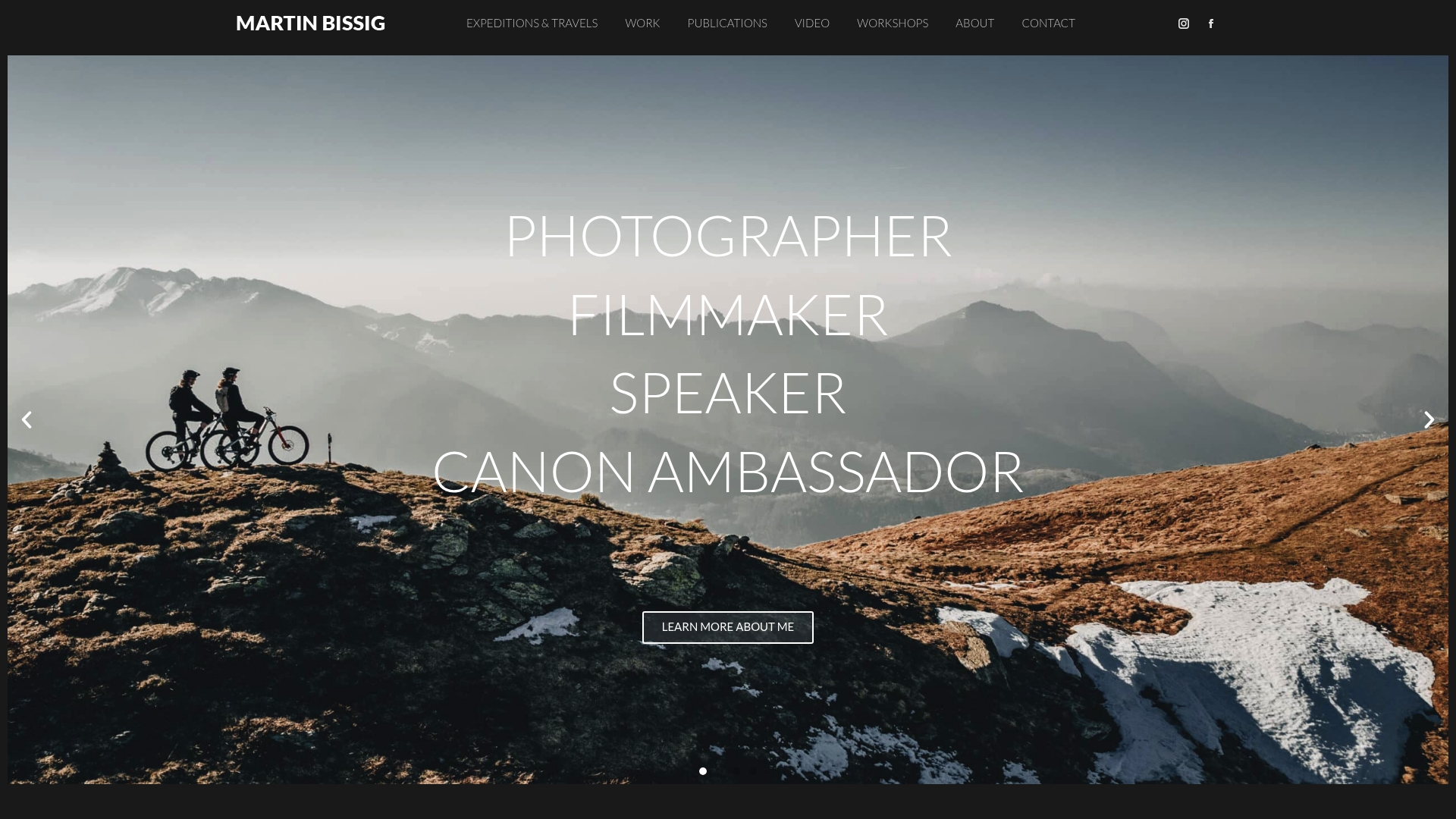
Explore the work of outdoor photographer Switzerland Martin Bissig to see what truly distinctive outdoor imagery looks like in practice. Whether you want to collaborate with outdoor photographers on your next campaign or sharpen your internal process, you will find resources to help you move forward. You can also build a stronger production system by reviewing how professionals outdoor photography workflow from field to final delivery. The difference between average and outstanding often starts before the first shutter click.
Frequently asked questions
What makes outdoor imagery more effective than stock photos for outdoor brands?
Custom outdoor imagery builds trust and captures authentic experiences, which resonates more deeply with outdoor audiences than stock photos as inauthentic alternatives that audiences recognize and reject almost instantly.
How can I measure the success of my investment in outdoor imagery?
Track engagement rates, conversions, and brand sentiment across campaigns before and after using professional outdoor visuals. Outdoor visuals can significantly lift key marketing KPIs when deployed strategically.
Where should I use outdoor imagery for maximum impact?
Feature it on your website, social media, product launches, and event promotions to consistently reinforce your brand’s outdoor identity. Visuals integrated across touchpoints boost campaign reach and cohesion at every stage of the customer journey.
What are the risks of not using authentic outdoor visuals?
Inauthentic imagery can damage credibility and lead to reduced audience engagement or negative brand perception. Authentic visuals are crucial for building the kind of brand trust that outdoor audiences extend to brands they believe in.


