

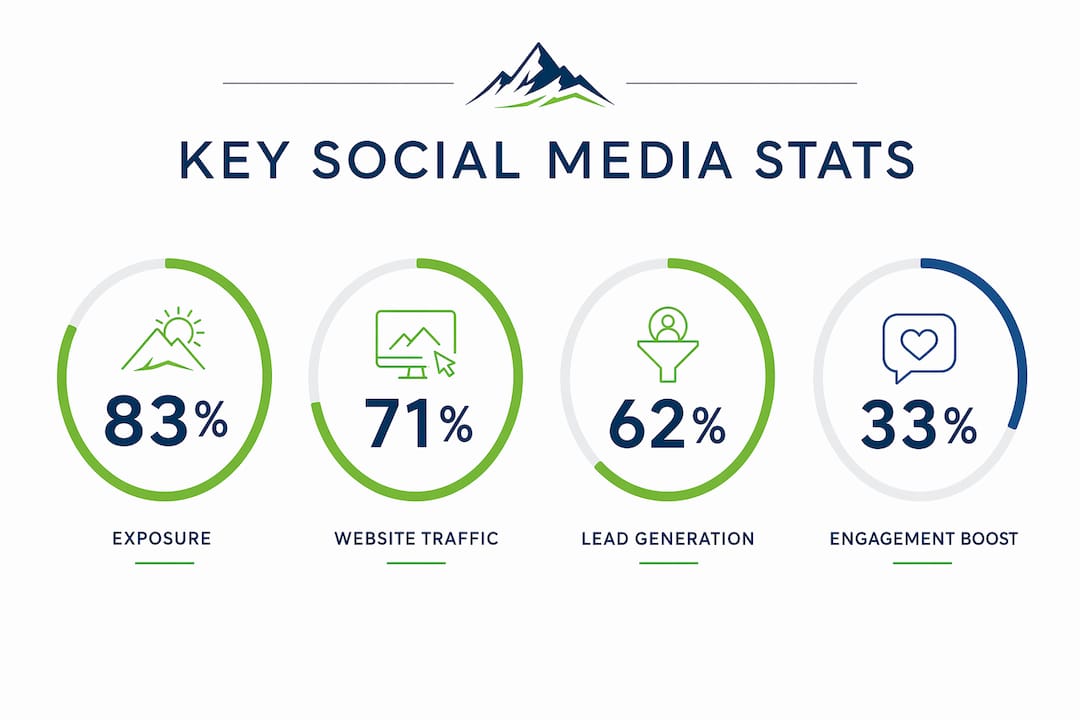
Social media content is the primary driver of brand exposure, audience trust, and customer acquisition for outdoor brands competing in a crowded market. Increased exposure tops the list of social media marketing benefits at 83%, followed by website traffic at 71% and lead generation at 62%. These numbers reflect a structural shift in how outdoor audiences discover, research, and buy gear. Understanding why social media content for outdoor brands matters is no longer optional for marketing professionals. It is the foundation of any serious outdoor marketing strategy.
Why social media content for outdoor brands drives real business results
The measurable benefits of outdoor marketing on social media go well beyond vanity metrics. The same global survey data shows that 57% of marketers report developing loyal fans through social media, and 46% cite improved sales as a direct outcome. For outdoor brands, those numbers carry extra weight because gear purchases are research-heavy and trust-dependent.
The benefits of social media for outdoor brands cluster into four categories:
- Exposure and discovery. Outdoor audiences scroll platforms like Instagram and YouTube before they ever visit a brand’s website. A single piece of field footage can reach thousands of potential buyers who have never heard of the brand.
- Lead generation and traffic. Social content acts as a top-of-funnel engine, pulling audiences into email lists, product pages, and review ecosystems.
- Trust and credibility. 67% of consumers trust creator recommendations over traditional advertising. Among Gen Z, that figure hits 63%, and among millennials it reaches 49%.
- Community and loyalty. Effective social media marketing builds relationships rather than broadcasting messages. Outdoor communities form around shared experiences, and brands that participate in those conversations earn long-term loyalty.
The emotional dimension matters here. Outdoor audiences connect with content that mirrors their own experiences on the trail, on the water, or in the mountains. A product shot in a studio does not do that. A muddy boot clip from a real trail does.
How do outdoor brands use creators and user-generated content effectively?
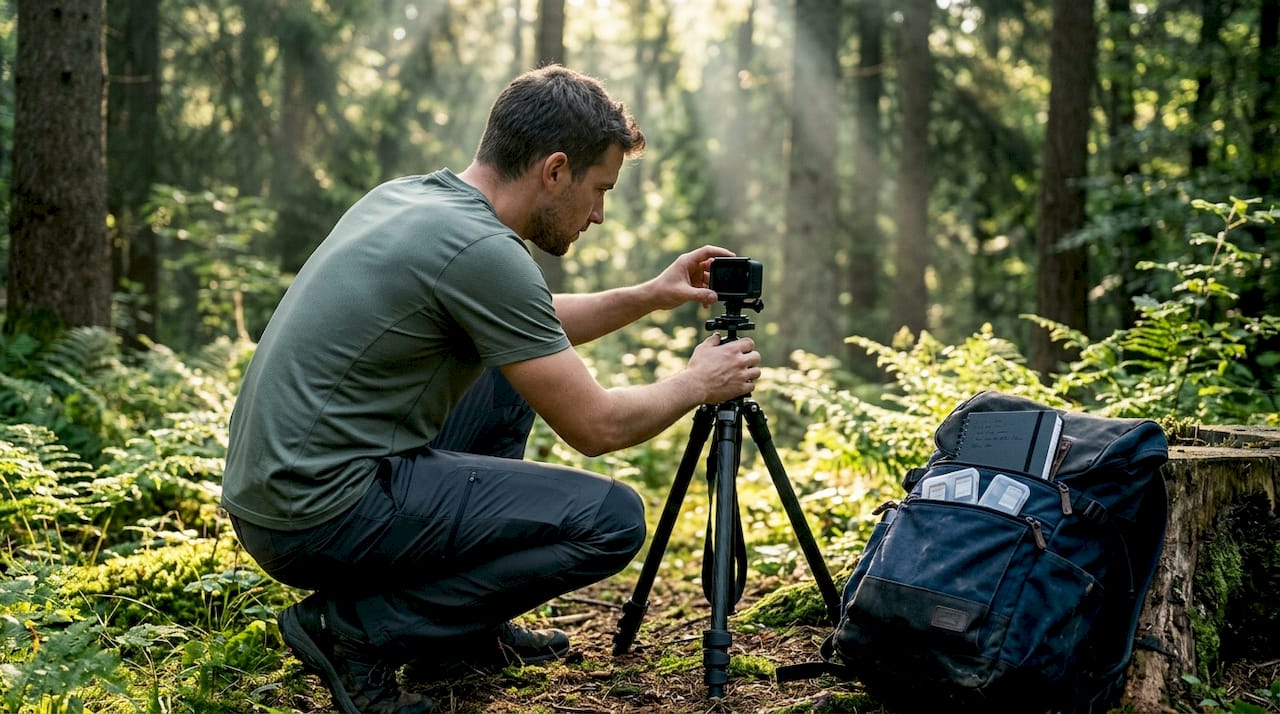
Creator partnerships are the most efficient tool outdoor brands have for reaching engaged audiences. Campaigns featuring outdoor creators drive 33% higher engagement than general lifestyle creators. Micro creators, those with smaller but highly focused followings, deliver engagement rates up to 3x higher than macro lifestyle creators. That gap exists because their audiences trust them as peers, not as celebrities.
User-generated content amplifies that trust even further. UGC outperforms brand-made content by up to 70% on Instagram. The reason is simple: audiences recognize authenticity. A photo taken by a real customer on a real hike carries more credibility than a polished campaign image.
Here is how to structure creator collaborations that actually work:
- Brief for outcomes, not scripts. Give creators the product, the context, and the goal. Let them decide how to show it. Over-scripted content visibly diminishes credibility.
- Prioritize field formats. The highest-performing outdoor creator content shows gear in real use: setting up camp in rain, navigating technical trails, dealing with unexpected conditions.
- Collect and amplify UGC systematically. Build a process for finding, licensing, and reposting customer content. This creates a content flywheel that costs far less than original production.
- Match creator to terrain. A mountain biking creator promoting a hiking boot loses credibility. Alignment between creator identity and product category is non-negotiable.
Pro Tip: When briefing outdoor creators, share your brand’s field stories and failures, not just your product specs. Creators who understand the real-world context of your gear produce content that resonates with buyers who have the same questions.
Incorporating real-world creator autonomy maximizes credibility and integrates the brand into outdoor culture rather than just advertising to it. That distinction is what separates brands with genuine communities from brands with follower counts.
Why authenticity beats polished ads for outdoor social media
Outdoor audiences have a finely tuned authenticity detector. They reject AI-generated images and polished studio shots, favoring gritty, real-life moments that show persistence and genuine experience. This is not a preference. It is a conversion driver.
“Authentic storytelling based on competence and earned experience outperforms polished campaign-style content among outdoor audiences every time.”
The contrast between traditional advertising and authentic outdoor storytelling is stark:
| Approach | Audience response | Conversion impact |
|---|---|---|
| Studio product shots | Skepticism, low engagement | Minimal trust transfer |
| Scripted creator content | Feels like an ad, ignored | Below-average click-through |
| Real field footage, unscripted | High engagement, shares | Strong trust and purchase intent |
| Customer UGC in real conditions | Peer validation, community signal | Highest conversion rate |
Outdoor content that converts follows a specific mix: roughly 60% lifestyle and field documentation, 25% education, 10% community and UGC, and 5% direct selling. Brands that flip this ratio toward promotional content see engagement drop and community trust erode. The 5% selling ceiling feels counterintuitive, but it reflects how outdoor buyers actually behave. They research for months, and they trust brands that teach them something before asking for a sale.
Tactical, unscripted educational content serves as a digital mentorship substitute for outdoor audiences. A video showing how to read trail conditions or pack a technical kit builds the same authority as a trusted guide at a gear shop. That authority converts.
How can outdoor brands integrate social media into their marketing funnel?
Social media content functions as a compounding discovery asset, not a series of one-off posts. Content on YouTube generates leads and engagement months after posting. Outdoor gear buyers research for months before purchasing, and a well-made video or detailed field review keeps working long after its publish date.
The integration points across the marketing funnel look like this:
- Top of funnel. Instagram Reels, TikTok clips, and YouTube Shorts drive first discovery. The goal here is reach, not conversion.
- Middle of funnel. Long-form YouTube content, creator reviews, and educational posts build authority and move audiences from awareness to consideration.
- Bottom of funnel. Retargeting audiences who engaged with social content, combined with email sequences triggered by social sign-ups, closes the gap between interest and purchase.
Social media managers now perform real-time market research that feeds directly into product development and brand strategy. Brands using social listening gain a genuine competitive edge because they understand what their audience is asking before competitors do. That intelligence shapes not just content but product roadmaps.
Cross-channel synergy compounds the value of every piece of content. A field video produced for YouTube can be cut into Instagram Reels, referenced in email campaigns, embedded in blog posts for SEO, and used as retargeting creative. One authentic production session with a skilled outdoor photographer or filmmaker generates assets across every channel simultaneously. The filmmaking approach for outdoor brands that treats each shoot as a multi-channel content event delivers far better return than single-use campaign production.
Outdoor brand social media drives brand lift, sentiment quality, affiliate conversions, and earned UGC well beyond the initial posting window. Traditional campaign metrics consistently undervalue this long-term compounding effect. Brands that measure only immediate click-through rates miss the majority of the value their content creates.
Pro Tip: Build a content calendar that maps each post format to a specific funnel stage. Assign Instagram Stories to top-of-funnel awareness, long-form YouTube to mid-funnel authority, and email-triggered retargeting to bottom-of-funnel conversion. This prevents the common mistake of using every channel for direct selling.
Key takeaways
Outdoor brands that treat social media content as a long-term discovery engine, built on authentic creator partnerships and real field footage, consistently outperform those relying on polished advertising.
| Point | Details |
|---|---|
| Social media drives core business metrics | Exposure, traffic, and lead generation top the measurable benefits for outdoor brands. |
| Creator trust outperforms traditional ads | 67% of consumers trust creator recommendations over advertising, especially for research-heavy gear purchases. |
| Authenticity is a conversion driver | Real field footage and unscripted content convert better than studio shots or scripted campaigns. |
| Content mix matters | A 60/25/10/5 split of lifestyle, education, UGC, and selling builds authority without eroding trust. |
| Social content compounds over time | YouTube and long-form content generate leads and engagement months after posting, making each piece a lasting asset. |
What I’ve learned about outdoor social media content that most brands get wrong
Most outdoor brands approach social media like a broadcast channel. They plan a campaign, produce polished assets, schedule posts, and measure impressions. That model works for consumer packaged goods. It fails for outdoor brands.
The outdoor audience is different. These are people who spend real time in real conditions. They know what a genuine trail looks like. They know what a staged campfire setup looks like. When a brand posts content that feels like it was made in a conference room, that audience moves on immediately. I’ve seen this firsthand working with brands across mountain biking, alpine, and adventure travel categories. The content that performs is always the content that feels like it was made by someone who was actually there.
The most common mistake I see is brands giving creators a shot list. A shot list kills the thing that makes creator content valuable: the creator’s genuine reaction to the product in their environment. When I work with brands on outdoor imagery that builds impact, the brief is always about the experience, not the frame. What does the rider feel on that descent? What does the light look like at 6 a.m. on that ridge? Those questions produce content that audiences recognize as real.
The other mistake is treating social media as separate from the broader content strategy. The brands winning right now are the ones where a single field day produces assets for Instagram, YouTube, email, and paid retargeting simultaneously. That requires planning the shoot with distribution in mind from the start, not editing for different channels after the fact.
The future of outdoor social media content will involve more AI-assisted editing and distribution tools. But the raw material, the actual footage from actual terrain, will only become more valuable as audiences grow more skeptical of synthetic content. Authenticity is not a trend. It is the permanent competitive advantage for outdoor brands willing to invest in it.
— Martin
Bissig’s outdoor content expertise for your brand
Outdoor brands need imagery and footage that holds up under scrutiny from audiences who live the sport. Bissig specializes in action photography and filmmaking built specifically for outdoor and adventure brands, producing field-tested content that performs across social platforms, editorial placements, and paid campaigns.
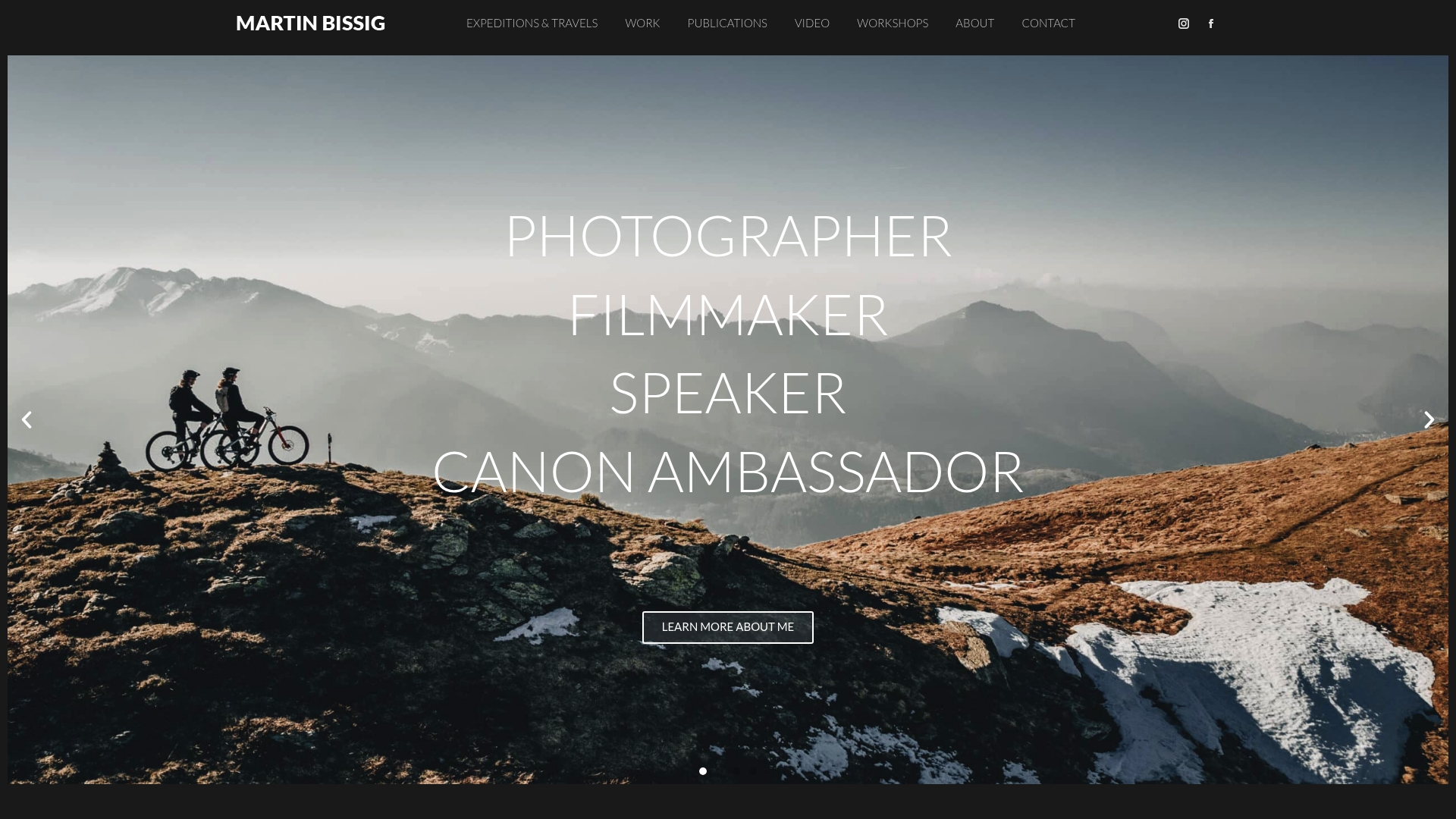
From mountain biking descents to alpine expeditions, Bissig creates the kind of authentic visual content that builds community trust and drives real engagement. Whether you need a single campaign shoot or an ongoing content partnership, the work is grounded in real terrain and real conditions. Explore the action photography guide to see how professional outdoor imagery translates directly into stronger social media performance for your brand.
FAQ
Why does social media content matter for outdoor brands?
Social media content drives 83% increased exposure, 71% more website traffic, and 62% lead generation for brands. For outdoor brands specifically, it is the primary channel where audiences discover and research gear before buying.
What type of content performs best for outdoor brands on social media?
Real field footage and unscripted creator content consistently outperform polished studio shots. A content mix of roughly 60% lifestyle documentation, 25% education, 10% UGC, and 5% direct selling builds the most authority and trust.
How do outdoor creators improve social media engagement?
Campaigns featuring outdoor creators drive 33% higher engagement than general lifestyle creators, and micro creators deliver up to 3x higher engagement rates. Their audiences trust them as peers with genuine field experience.
How long does social media content keep generating results for outdoor brands?
Long-form content on YouTube generates leads and engagement months after its original posting date. Outdoor gear buyers research for months before purchasing, so quality content compounds in value over time rather than expiring after a campaign window.
Should outdoor brands give creators full creative control?
Yes. Over-scripted content visibly reduces credibility and engagement. Giving creators autonomy to show the product in their real environment produces content that integrates naturally into outdoor culture and converts better than directed campaign content.


