

Even the most thrilling adventure means nothing on screen if the video fails to hold attention past the first three seconds. Outdoor brands and agencies pour serious budgets into expeditions, athlete partnerships, and product launches, yet the final video often lands flat. The difference between forgettable footage and content that drives real engagement comes down to three things: the right gear, a disciplined production workflow, and a clear understanding of what your audience actually wants to watch. This guide walks you through every stage, from packing your kit to optimizing your final cut for each platform.
Table of Contents
- Essential gear for outdoor and action video production
- Planning your action shoot: Setting objectives and storyboards
- On-location shooting techniques for dynamic action content
- Post-production workflow: Editing for engagement and platform optimization
- The real-world challenges (and unexpected wins) in outdoor action video
- Elevate your brand with expert outdoor videography
- Frequently asked questions
Key Takeaways
| Point | Details |
|---|---|
| Choose the right gear | Using rugged action cameras, proper mounts, and stabilizers is essential for dynamic outdoor footage. |
| Plan with storyboards | Setting clear objectives and visualizing your shots ensures a cohesive, engaging brand story. |
| Master on-location techniques | High frame rates, variety of shots, and proper mounting capture action and keep viewers engaged. |
| Optimize for platforms | Edit short, punchy videos for each social channel to maximize view-through and conversion rates. |
| Collaboration drives performance | Working with seasoned creators and adapting to real conditions boosts authenticity and ROI. |
Essential gear for outdoor and action video production
Getting your toolkit right is the foundation of every great action video. The wrong gear in a mountain biking trail or a whitewater rapid does not just hurt your footage quality, it can cost you the entire shoot.
Primary camera systems are your starting point. Any new Canon mirrorless camera or action cameras for POV shots like are purpose-built for outdoor punishment. They pair with helmet, chest, and handlebar mounts to deliver immersive perspectives that no traditional camera can replicate. High frame rates between 60 and 120fps give you the slow-motion flexibility that makes action sequences genuinely cinematic.
Here is a quick breakdown of must-have gear categories:
- Canon Cameras: Canon EOS R5 Mark2, R6, R8 or even an R7 are great cameras!
- Gimbals and stabilizers: Essential for follow-cam and tracking shots on uneven terrain
- ND filters: Neutral density filters control exposure in bright outdoor light and keep motion blur natural
- Lenses: Wide-angle for immersive coverage, telephoto for compressed distance shots of athletes
- Audio: Directional lavalier mics or a compact shotgun mic for interviews and ambient sound capture
- Mounting accessories: Chest harnesses, suction cup mounts, clamps, and tripod adapters
| Gear category | Best use case | Key spec to prioritize |
|---|---|---|
| Action camera | POV, mounting, underwater | Frame rate (60-120fps) |
| Gimbal | Follow-cam, tracking | Payload capacity |
| ND filter | Bright outdoor conditions | Filter stop range |
| Wide-angle lens | Immersive terrain shots | Field of view |
| Shotgun mic | On-location audio | Directional pickup pattern |
For brands exploring essential outdoor video gear setups, investing in rugged, weather-sealed equipment is non-negotiable. A camera that fails in rain or dust is not a camera, it is dead weight.
Pro Tip: Always double-check every mount and attachment point before you hit record. A loose chest harness or handlebar clamp mid-shoot can destroy a take and, more importantly, create a safety hazard for the athlete.
Planning your action shoot: Setting objectives and storyboards
With your gear requirements ready, the next crucial step is strategizing your action shoot. Great footage without a clear purpose rarely converts into campaign results.
Start by anchoring every video to a specific campaign objective. Are you driving product awareness, generating social engagement, or pushing viewers toward a purchase? The answer shapes every creative decision from shot selection to final edit length. Action sports micro-influencers achieve 18% engagement on TikTok compared to a 3.9% average on Instagram, and shoppable short-form content can deliver ROAS between 4.5x and 11.65x. Knowing your platform and goal before you shoot is not optional, it is the difference between content that performs and content that disappears.
Building a storyboard does not need to be a Hollywood production. Follow these steps:
- Write a one-sentence video objective tied to a measurable outcome
- List the key moments you need to capture (product feature, athlete performance, landscape context)
- Sketch or describe each shot type: wide establishing, close-up product, POV action, reaction/interview
- Assign each shot a location, time of day, and responsible crew member
- Build a flexible shot list that accounts for weather, athlete energy, and light conditions
| Approach | Strengths | Weaknesses |
|---|---|---|
| Spontaneous shoot | Authentic energy, real reactions | Inconsistent coverage, missing key shots |
| Fully planned shoot | Complete coverage, brand alignment | Can feel rigid, loses spontaneous magic |
| Hybrid approach | Best of both worlds | Requires experienced crew to manage |
For deeper action videography planning strategies, the hybrid approach consistently outperforms both extremes. You lock in the must-have shots while leaving room for the unexpected moments that make action content feel alive.
Pro Tip: Bring your athlete or influencer into the planning process early. They know the terrain, their own movement patterns, and what tricks or lines are actually achievable on the day. Their input often surfaces the most compelling shots.
On-location shooting techniques for dynamic action content
Having set your objectives and storyboard, it is time for the high-adrenaline part: shooting in the field. This is where preparation meets reality.
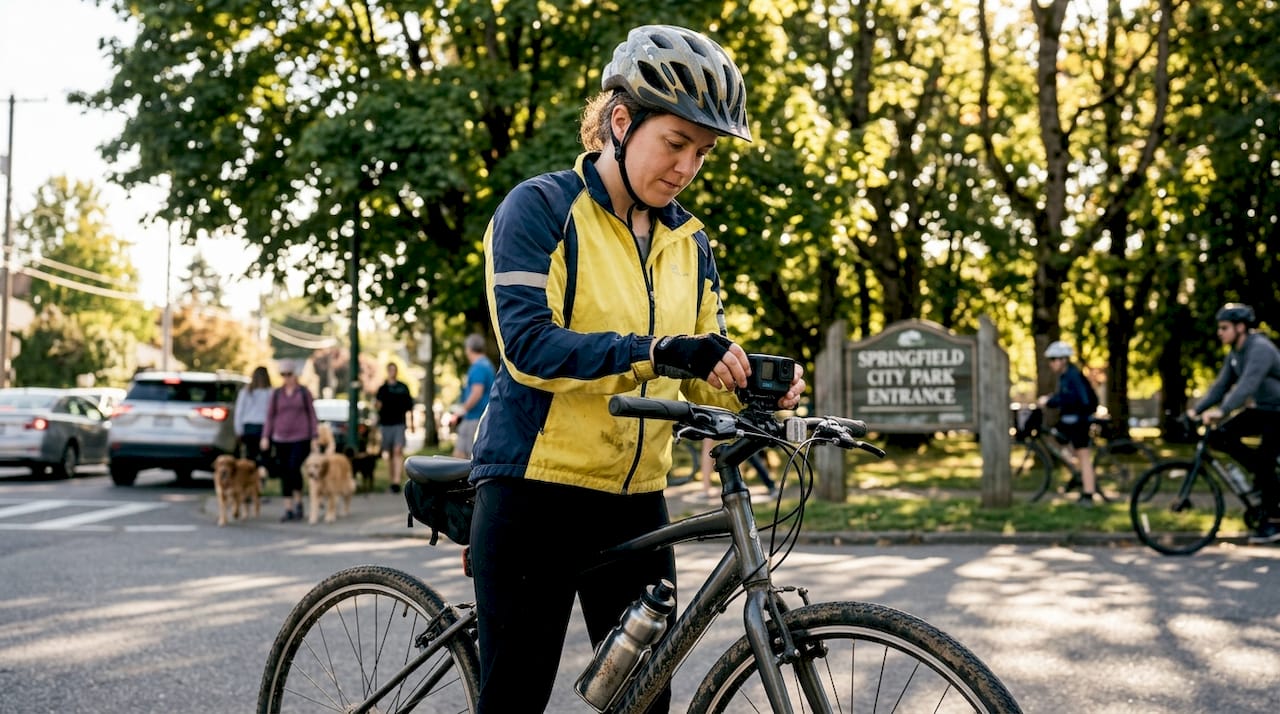
Camera settings are your first priority. Set your frame rate to 60fps minimum for any action sequence you plan to slow down in post. For dramatic slow-motion at 4x or 5x speed, shoot at 120fps or higher. Match your shutter speed to roughly double your frame rate (the 180-degree rule) to keep motion blur natural and cinematic.
Shot variety is what separates a flat product clip from a genuinely engaging story. Build your coverage using these shot types:
- Wide establishing shot: Sets the location and scale, gives context to the action
- POV shot: Helmet or handlebar mounted, puts the viewer inside the experience
- Follow-cam: Gimbal-stabilized tracking behind or alongside the athlete
- Close-up detail: Product features, hands on grips, wheels on terrain
- Cutaway: Environment, crowd, reaction shots that give the edit breathing room
Always check your gear mount before hitting record. A loose mount mid-run means lost footage and a potential safety incident.
Exposure control is critical outdoors. Stabilizers deliver smooth action footage, but ND filters are equally important when shooting in direct sunlight. Without them, you are forced into shutter speeds that kill natural motion blur and make footage look harsh.
For a deeper look at action video camera settings, understanding the relationship between frame rate, shutter speed, and ND filter strength is what separates amateur outdoor footage from professional results.
Pro Tip: Run rehearsal passes before committing to a full take. Walk the athlete through the shot, practice your camera movement, and confirm your exposure. Three clean rehearsal passes beat thirty messy takes every time.
Post-production workflow: Editing for engagement and platform optimization
With your footage captured, the editing room is where you craft content that truly engages. Raw action footage, no matter how exciting, needs structure to hold an audience.
Start with a rough cut that tells the story from beginning to end. Then tighten aggressively. Short videos between 15 and 90 seconds consistently outperform longer formats on social platforms, and targeting a view-through rate above 25% with a 5% add-to-cart rate should be your benchmark for performance content.
Here is a post-production checklist to keep your workflow on track:
- Trim ruthlessly: Cut any moment that does not serve the story or the product
- Color grade for mood: Use LUTs (lookup tables) that match your brand palette and the environment’s natural tones
- Add music: License tracks that match the energy of the action, not just the genre
- Captions and graphics: Always add captions for social media where 85% of videos are watched without sound
- Aspect ratio optimization: 9:16 vertical for TikTok and Instagram Reels, 1:1 square for feed posts, 16:9 widescreen for YouTube
- Platform-specific lengths: 15 to 30 seconds for TikTok, 30 to 60 seconds for Instagram Reels, up to 90 seconds for YouTube Shorts
Repurposing footage is one of the most underused strategies in outdoor brand marketing. A single day of shooting can produce a hero video for YouTube, a series of Reels, product close-up clips, and behind-the-scenes content. Explore a solid action video post-production workflow to systematize this process across campaigns. When you understand how boosting ROI with action videos works at a strategic level, repurposing stops feeling like extra work and starts feeling like free content.
The real-world challenges (and unexpected wins) in outdoor action video
Here is something most production guides will not tell you: chasing the viral moment is often the fastest way to produce forgettable content. Brands that brief their crews around “make it go viral” consistently underperform compared to those who brief around a specific story or emotion they want the viewer to feel.
The outdoor and action sports space rewards authenticity in a way that few other categories do. Audiences in this space are experienced. They ride, climb, paddle, and hike themselves. They can spot staged energy and over-produced inauthenticity immediately. Raw footage with genuine athlete effort and real terrain conditions often outperforms a technically perfect clip shot in controlled conditions.
The most consistent wins we see come from brands that work with outdoor video experts who are embedded in the culture, not just hired to point a camera. On-location creators who understand the sport, the light, and the athlete’s mindset adapt in real time when conditions change. That adaptability is what produces the unexpected moments that audiences actually share.
Technical perfection matters, but it is a floor, not a ceiling. Once your footage is sharp, stable, and well-exposed, the differentiator is story. Always ask: what does the viewer feel at the end of this video?
Elevate your brand with expert outdoor videography
Producing action video that consistently performs takes more than good gear and a shot list. It takes a production partner who understands the terrain, the sport, and the storytelling craft that turns raw adventure into content your audience actually watches to the end.
Explore more action video tips to sharpen your production approach, or connect directly to discuss outdoor video production services tailored to your brand’s campaign goals. If you want to understand the full value of benefits of collaborating with a specialist who lives and shoots in these environments, the results speak for themselves.
Frequently asked questions
What equipment is best for capturing fast-paced outdoor action?
Action cameras with high frame rates like the GoPro HERO series, paired with gimbals for stabilization, deliver sharp and smooth footage across virtually every action sports scenario.
How long should my action video content be for social media?
Videos between 15 and 90 seconds consistently achieve the highest view-through and engagement rates on TikTok and Instagram Reels, making them the sweet spot for outdoor brand content.
How do I increase engagement with my action video content?
Focus on story-driven pacing, use POV and slow-motion shots for immersion, and target platform-specific benchmarks. Action sports micro-influencers hit 18% engagement on TikTok, a useful performance target for branded content.
What common mistakes do outdoor brands make when shooting action videos?
Failing to stabilize cameras and skipping pre-shoot gear checks are the most frequent errors. Gimbals and secure mounts are not optional extras, they are the baseline for usable action footage.


