Brand photography is a curated collection of professional images built specifically to represent a business’s visual identity, values, and mission. Think of it as a visual narrative that makes your business instantly recognizable before a potential client reads a single word of your copy.
Unlike a one-off headshot or a product photo on a white background, brand photography is a complete visual language that spans multiple image types and works across every platform you use. A well-executed brand photo library typically includes:
Professional headshots: Polished portraits of you or your team that put a real face to the business
Lifestyle imagery: Photos showing your product or service in real, relatable contexts
Behind-the-scenes shots: Candid moments that reveal your process, workspace, and personality
Product contextual photos: Images that show what you sell within the story of your brand, not just against a plain backdrop
The goal is coherence. Every image in the library should feel like it belongs to the same world, the same color palette, the same mood, and the same story.
Why brand photography matters for your business
Professional brand imagery is one of the fastest ways to build consumer trust. Content with images receives 94% more views than text-only content, and consumers form initial impressions in as little as 50 milliseconds. Your photos are doing heavy lifting before your headline even registers.
Stat to know: 90% of consumers expect a consistent experience across all digital and physical channels they use to interact with a brand. Inconsistent visuals are one of the fastest ways to erode that trust.
Beyond first impressions, consistent visual branding across your website, social media, email campaigns, and print materials signals professionalism. Businesses that prioritize cohesive visual branding see higher conversion rates and stronger audience engagement. A few concrete reasons this matters:
Trust and credibility: Professional photos communicate that you take your business seriously, which signals to clients that you’ll take their needs seriously too
Emotional connection: Real images of real people and real processes build bonds that stock photography simply cannot replicate
Marketing longevity: A strong brand photo library supports your marketing channels for years, not just one campaign cycle
Recognition: Repeated exposure to the same visual style trains your audience to recognize your brand at a glance
Common types of brand photography with examples
Brand photography is a subgenre of commercial photography, and it covers more ground than most business owners expect. Here are the core categories and how they function in practice:
Professional headshots: The foundation of any brand library. A life coach needs approachable, warm portraits. A law firm needs polished, authoritative ones. The style depends entirely on the brand’s personality.
Lifestyle imagery: A candle brand might shoot their product on a Sunday morning breakfast table. A fitness coach might be photographed mid-workout with a client. These images place your offering inside the life your audience wants.
Behind-the-scenes content: A ceramicist photographed at the wheel, a baker pulling trays from the oven, a designer sketching at a drafting table. These shots build trust by showing the craft and care behind the product.
Team photos: Group shots that humanize your organization. They work especially well on “About Us” pages and LinkedIn, where people want to know who they’re working with.
Product contextual photos: Different from standard product photography, these images show your product being used, worn, or experienced. A skincare brand photographed in a real bathroom setting reads very differently than the same product on a white sweep.
Workspace and environment shots: Photos of your studio, office, or location that give clients a sense of where and how you operate.
Each type serves a different role in your marketing, and the strongest brand libraries mix several of them rather than relying on just one format.
What actually happens during a brand photography session
A brand shoot is not a spontaneous creative exercise. The best sessions are planned around shot lists customized to your specific marketing channels, specifying vertical formats for Instagram Stories, wide crops for website banners, and square frames for grid posts.
Here is how a typical session unfolds:
Pre-shoot strategy: You and your photographer define your brand goals, identify your primary marketing channels, and build a shot list. This stage determines whether you walk away with 40 usable images or 400.
Location and prop selection: Authentic settings beat rented studios for most small businesses. Your actual workspace, your real tools, your genuine environment all communicate credibility in ways a generic backdrop cannot.
Shooting multiple image types: A well-run session cycles through headshots, lifestyle scenarios, detail shots, and behind-the-scenes moments. Variety is the point.
Reviewing and editing: After the shoot, your photographer selects and edits the strongest frames, delivering a cohesive gallery that maintains consistent color grading and tone throughout.
Pro Tip:Build your shot list around where you actually publish content. If you post daily Instagram Stories, you need vertical frames. If your website has a wide hero banner, you need landscape shots with negative space for text overlays. A shot list built around your real channels prevents the frustrating discovery that none of your new photos fit your layouts.
Expert insights from professional brand photographers
The single most common mistake in brand photography is confusing polished with authentic. Authenticity builds emotional connection that stock imagery cannot replicate. Brands win loyalty by showing genuine moments over artificial poses, and audiences have become remarkably good at detecting the difference.
There is also a meaningful distinction between brand photography and product photography that many business owners miss. Product photography focuses on technical detail: clean backgrounds, precise lighting, and sharp feature shots. Brand photography tells the “why” by contextualizing products within a brand’s story, which increases perceived value and trust. You need both, but they serve different stages of the buyer’s journey.
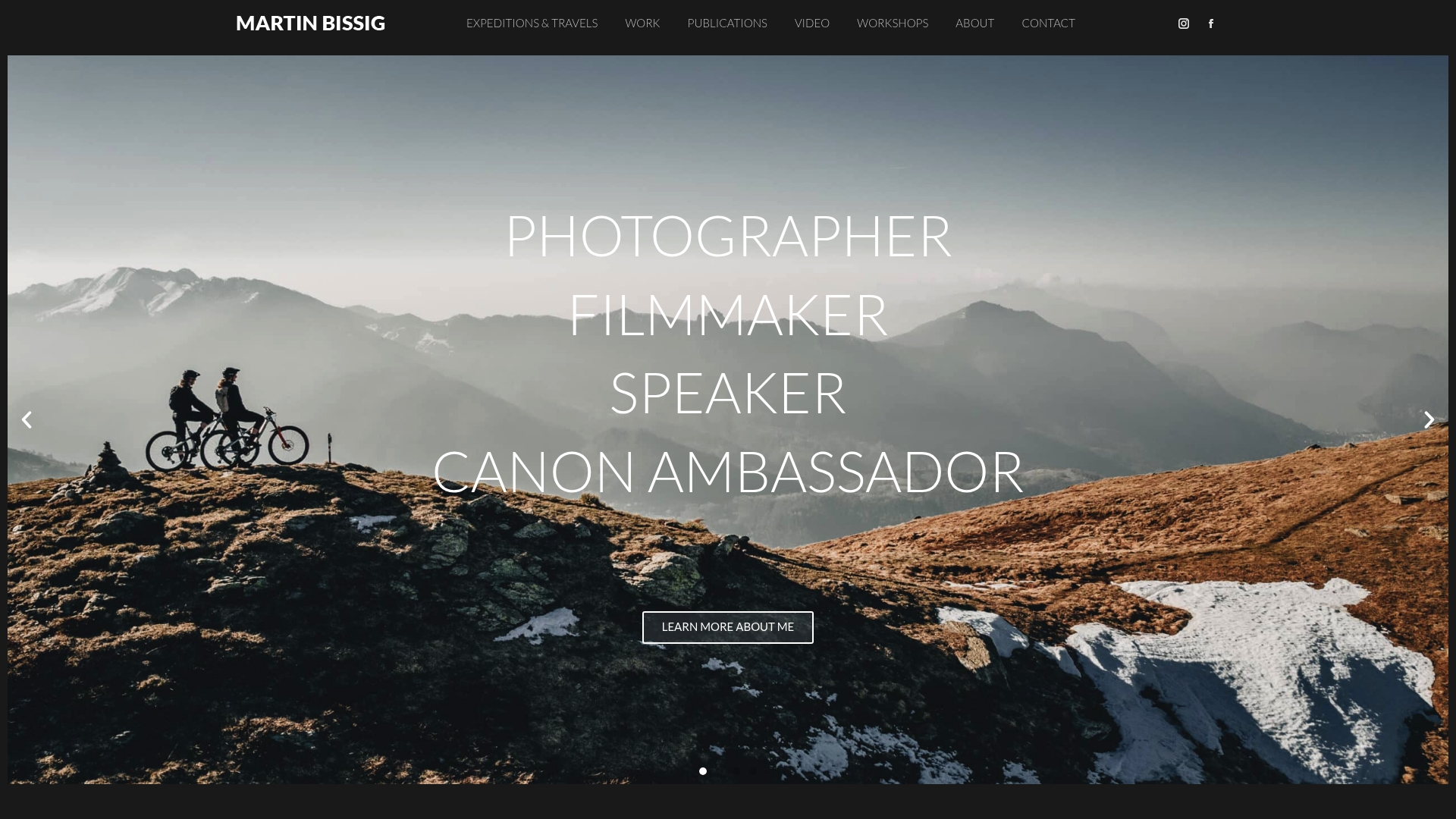
Martin Bissig, whose outdoor brand photography work spans commercial campaigns and editorial projects across mountain environments, emphasizes that the most effective brand images are the ones that capture genuine energy rather than manufactured perfection. Bring the tools you actually use. Wear what you actually wear. Shoot in the spaces where you actually work.
Pro Tip:Ask your photographer for authentic props that fit your real workflow. A coffee mug from your actual desk, the notebook you genuinely use, the gear you carry every day. These details read as real because they are real, and that specificity is what separates a memorable brand image from a forgettable one.
How to choose a brand photographer
The right photographer for your brand is not necessarily the one with the most followers or the most expensive day rate. Start by looking at their portfolio with a specific question in mind: does their existing work feel like the world you want your brand to live in?
Style consistency matters more than technical skill alone. A photographer who shoots moody, dark-toned editorial work will struggle to deliver the bright, airy aesthetic a wellness brand needs, regardless of their technical ability. Look for someone whose natural eye aligns with your brand’s visual direction.
Ask about their pre-shoot process. A photographer who does not ask about your marketing channels, your shot list, or your brand goals before the session is likely to deliver beautiful images that do not actually fit your layouts or your strategy. The planning conversation is as important as the shoot itself.
Finally, check that they have experience shooting the type of content your brand actually needs. A photographer who specializes in corporate photography brings different strengths than one who specializes in outdoor lifestyle work. Match the specialty to the brief.
How brand photography builds your visual identity
Your visual identity is the sum of every impression your brand makes before someone reads your words. Logo, color palette, typography, and photography all contribute, but photography carries the most emotional weight because it shows real people, real places, and real moments.
Consistent brand photography creates recognition over time. When your website, your Instagram grid, your email header, and your printed materials all share the same visual language, your audience starts to recognize your brand on instinct. That recognition is what visual brand identity actually means in practice: the feeling that someone knows you before they’ve consciously registered your name.
Photography also communicates values that words struggle to express. An outdoor gear brand that shoots in actual mountain environments signals something fundamentally different than one that shoots in a studio with fake rocks. The setting, the light, and the people in the frame all carry meaning that copy alone cannot deliver.
Best practices for using brand photography in marketing and social media
Getting the photos is only half the job. How you deploy them across your marketing determines whether the investment pays off.
Repurpose across every channel. A single brand shoot should fuel your website, your social media, your email newsletters, your pitch decks, and your print materials. Plan the shoot with all of these destinations in mind, and you will walk away with assets that work everywhere rather than images that only fit one platform.
Maintain visual consistency. Use the same color grading, the same general tone, and the same style of image across all your channels. Mixing warm, candid lifestyle shots on Instagram with cold, corporate headshots on your website creates a disjointed experience that undermines trust.
Refresh your library regularly. Brand photography is not a one-time project. Your business evolves, your team changes, and your offerings grow. A photo library that was shot two years ago may no longer reflect who you are today. Plan a brand shoot at least once a year, or whenever you launch something new.
Use images with intention. A lifestyle shot that shows your product in context belongs on a product page or in an ad. A behind-the-scenes image belongs in an email sequence or a social story where you’re building relationship. Match the image type to the marketing goal, not just the available space.
For outdoor and adventure brands looking to push their visual storytelling further, Bissig’s work in outdoor photography techniques offers a strong reference point for what purposeful, environment-driven brand imagery can achieve.
Key Takeaways
Brand photography is a planned library of professional images that builds trust, recognition, and emotional connection across every marketing channel your business uses.
Point
Details
Definition
Brand photography is a curated collection of professional images representing a business’s identity, values, and mission.
Visual impact
Content with images receives 94% more views than text-only content, making visual quality a direct driver of engagement.
Authenticity over polish
Real settings, genuine props, and candid moments build emotional connections that stock photography cannot replicate.
Session planning
Shot lists tailored to specific marketing channels, including vertical, square, and wide formats, determine whether images are actually usable after the shoot.
Consistent deployment
Using the same visual style across your website, social media, and email builds brand recognition and signals professionalism to your audience.


 Brand photography is a curated collection of professional images built specifically to represent a business’s visual identity, values, and mission. Think of it as a visual narrative that makes your business instantly recognizable before a potential client reads a single word of your copy.
Unlike a one-off headshot or a product photo on a white background, brand photography is a complete visual language that spans multiple image types and works across every platform you use. A well-executed brand photo library typically includes:
Brand photography is a curated collection of professional images built specifically to represent a business’s visual identity, values, and mission. Think of it as a visual narrative that makes your business instantly recognizable before a potential client reads a single word of your copy.
Unlike a one-off headshot or a product photo on a white background, brand photography is a complete visual language that spans multiple image types and works across every platform you use. A well-executed brand photo library typically includes:
 A brand shoot is not a spontaneous creative exercise. The best sessions are planned around shot lists customized to your specific marketing channels, specifying vertical formats for Instagram Stories, wide crops for website banners, and square frames for grid posts.
Here is how a typical session unfolds:
A brand shoot is not a spontaneous creative exercise. The best sessions are planned around shot lists customized to your specific marketing channels, specifying vertical formats for Instagram Stories, wide crops for website banners, and square frames for grid posts.
Here is how a typical session unfolds: