

Capturing the raw energy of mountain biking descents, alpine expeditions, or whitewater runs on video sounds thrilling until you’re standing in a hailstorm with a dead battery, a jammed memory card, and footage that looks flat despite the spectacular scenery. Outdoor brands and adventure sports marketers face a uniquely demanding production environment where standard studio logic simply doesn’t apply. 91% of businesses now use video, but success depends far more on smart production decisions than on having the biggest budget. The tips ahead will change how you approach every aspect of your next outdoor shoot.
Table of Contents
- Essential gear for pro-level outdoor video
- Planning and location scouting tactics
- Choosing your shooting style: solo, crew, or hybrid?
- Post-production: outdoor editing essentials for impact
- What most brands miss about outdoor video production
- Discover next-level outdoor video expertise
- Frequently asked questions
Key Takeaways
| Point | Details |
|---|---|
| Gear matters, but planning wins | Pro brands achieve better results by investing in thoughtful pre-production, not just expensive equipment. |
| Choose the right team structure | Solo, crew, and hybrid setups have different pros and cons—pick what matches your project’s demands. |
| Edit with environment in mind | Outdoor video post-production must address lighting, color, and sound challenges unique to nature. |
| Distribution drives ROI | Even great outdoor video only succeeds if distributed smartly across the right marketing channels. |
Essential gear for pro-level outdoor video
Every outdoor production starts with the right equipment, and the wrong choices here can tank an entire shoot before the first frame is captured. Camera selection alone involves real tradeoffs that affect both creative output and your logistical burden in the field.
Camera options and their real-world tradeoffs:
- Action cameras (GoPro HERO series): Small, lightweight, and built for punishment. Perfect for helmet mounts, chest rigs, and any moment where the camera needs to be on the athlete’s body. Image quality has improved dramatically, but low-light performance still lags behind mirrorless systems.
- Mirrorless cameras (Canon EOS R series, Sony A7 line): Deliver cinematic image quality with interchangeable lenses, great dynamic range, and professional audio inputs. The tradeoff is weight, weather sensitivity, and the need for additional support gear.
- Drones (DJI Mavic or Air series): Add aerial perspective that would otherwise require a helicopter budget. However, drone regulations vary by country, wind affects stability, and cold temperatures drain batteries faster than any other system.
Battery management is where many outdoor productions quietly fail. Use Enduro batteries in extreme temperatures, keep spare batteries insulated inside jacket pockets in cold conditions, store them in the shade during hot desert shoots, use protective housings to guard against moisture, and always carry anti-fog inserts when moving between warm and cold environments. Doubling your expected battery supply isn’t overkill. It’s standard practice.
Stabilization decisions depend entirely on the sport and storytelling style. Tripods work for static establishing shots and sunset sequences. Gimbals like the DJI RS3 are ideal for tracking athletes at running or cycling pace. Handheld shooting creates intentional energy that works brilliantly for fast-paced mountain biking sequences but can feel sloppy in documentary-style narration.
“Weatherproofing is not optional in outdoor production. It’s the insurance policy you buy before the shoot, not after.”
For environmental protection, invest in quality housings for your primary cameras, pack silica gel pouches in your camera bags, and always have a dedicated dry bag for electronics when near water. Build a physical checklist that covers conditions specific to your shoot location: high altitude UV exposure, salt spray near oceans, and sand intrusion in desert environments are each different threats that require specific countermeasures.
Exploring outdoor videography gear in depth before committing to a kit will save you significant money and field frustration. Understanding what creating action video content actually demands at a technical level helps you build a loadout that works for your specific brand’s visual style and budget.
Pro Tip: Build a laminated field checklist covering camera bodies, lenses, batteries per system, memory cards, weather protection, stabilization gear, and audio equipment. Leave space for location-specific items. Review it the night before every shoot, not the morning of.
Planning and location scouting tactics
With gear ready, it’s your planning and fieldwork that separates amateur from pro results. The most spectacular outdoor footage in the world begins with methodical pre-production, not spontaneous inspiration.
Here is a step-by-step approach that professional outdoor teams use consistently:
-
Research permits early. Many protected wilderness areas, national parks, and urban landscapes require film permits that take days or weeks to secure. Starting this process late can shut down an entire production. Identify the land management agency or property owner for every location and contact them at least 30 days before your shoot date.
-
Plan around optimal light windows. Golden hour (roughly 30 to 60 minutes after sunrise and before sunset) dramatically elevates outdoor footage. Scout your location at the same time of day you plan to shoot so you know exactly where shadows fall, where the light hits the athlete, and which angles to prioritize.
-
Assess terrain and athlete safety. Every outdoor location presents physical risks. Walk every path, trail, or slope your athlete will use before the camera rolls. Identify exit routes, note slippery or unstable surfaces, and document the fastest route to emergency services if needed.
-
Identify backup spots within the same location. Weather changes fast. A primary viewpoint exposed to wind may be unusable on shoot day. Always identify at least two alternative angles within walking distance that can deliver strong footage if conditions shift.
-
Read weather forecasts from multiple sources. Apps like Windy, Weather Underground, and local mountain forecasting services often disagree with general consumer weather apps. For mountain or coastal shoots, hyperlocal data matters. Check forecasts 7 days out, then 3 days out, and again the morning of your shoot.
Qualitative expertise from production professionals consistently confirms that outdoor workflow strategies built around preparation outperform those built around reactive problem-solving every single time.
Pro Tip: Hire a local fixer or experienced guide for shoots in unfamiliar terrain. They know seasonal conditions, unofficial access points, the best micro-locations, and safety protocols that no satellite map can reveal. The cost is always worth it.
Choosing your shooting style: solo, crew, or hybrid?
Efficient planning leads directly to the team’s most important decision: how you’ll actually shoot. Your setup structure determines everything from creative flexibility to budget consumption.
POV and GoPro-style solo shooting is ideal for immersive, first-person storytelling. A single shooter or an athlete running their own camera can cover trails, peaks, or rivers that a full crew cannot physically access. The footage feels raw, authentic, and puts the viewer directly in the action. The limitation is that you get one perspective and no coverage of the athlete from outside their immediate viewpoint.
Crew-based production uses multiple cameras positioned across a location to capture the same sequence from multiple angles simultaneously. A crew can include a primary camera operator, a drone pilot, a sound recordist, and a director. This approach yields cinematic, broadcast-ready content but requires significantly more coordination, cost, and logistics.
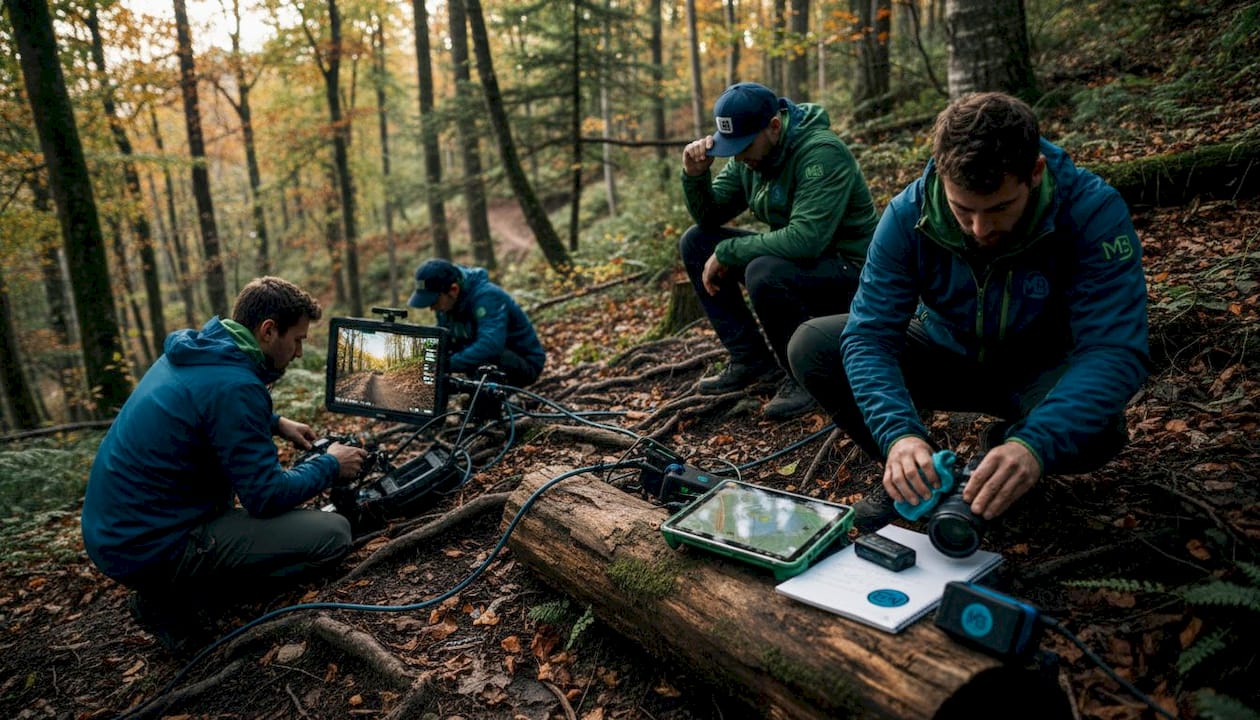
The hybrid model is increasingly the choice of experienced outdoor brands. A lead shooter handles primary angles while one or two additional crew members manage drone footage and GoPro setups on athletes. This balances agility with production value.
| Factor | Solo shooter | Full crew | Hybrid team |
|---|---|---|---|
| Setup time | Fast (under 30 min) | Slow (1 to 3 hours) | Moderate (45 to 90 min) |
| Daily cost | Low ($500 to $1,500) | High ($5,000 to $20,000+) | Medium ($2,000 to $6,000) |
| Cinematic quality | Good to very good | Excellent | Very good to excellent |
| Adaptability | Very high | Low to moderate | High |
| Location access | Excellent | Limited | Good |
When to choose each model:
- Solo: athlete diaries, authentic brand storytelling, rugged terrain, limited budgets
- Full crew: hero product launches, broadcast TV commercials, major brand campaigns
- Hybrid: adventure brand campaigns, editorial video, mid-budget productions
“The hybrid model consistently delivers the best balance of visual storytelling and operational flexibility for adventure brands working in real outdoor environments.”
Understanding videography team structures in different production contexts helps you make this decision with confidence rather than defaulting to either extreme.
Post-production: outdoor editing essentials for impact
Once footage is captured, it’s post-production where your outdoor video can truly stand out. This phase is routinely underestimated by outdoor brands, who sometimes treat it as a simple assembly job rather than a creative phase with major strategic implications.
Footage selection and organization is the first challenge when working with multi-camera outdoor shoots. Label all footage by camera source, location, and time of day immediately after upload. Use proxy workflows in DaVinci Resolve or Adobe Premiere Pro to edit smoothly even with heavy 4K or 6K footage files.
Color grading in outdoor content means correcting for dramatic lighting shifts within the same day. Morning golden hour footage has warm amber tones. Midday sunlight creates harsh blues and overexposed highlights. Overcast conditions flatten color and reduce contrast. A skilled colorist uses LUTs (look-up tables) as starting points and then manually balances shots so the entire piece feels visually cohesive even when the weather clearly changed.
Audio is the most underestimated element in outdoor video production. Wind noise, river roar, and crowd sounds from trail users all create audio problems that are difficult to fix in post. Best practices include recording a clean narration track in a controlled environment separate from field audio, using a dead cat windscreen on all outdoor microphones, and using audio noise reduction tools like iZotope RX to clean field recordings without eliminating natural ambient atmosphere.
Export settings matter more than most editors realize. Video ROI strategies collapse when your beautifully graded footage gets compressed into a blurry thumbnail because the export settings were wrong for the platform.
| Platform | Resolution | Frame rate | Bitrate | Format |
|---|---|---|---|---|
| YouTube | Up to 4K (3840×2160) | 24/30/60 fps | 35 to 68 Mbps | H.264 or H.265 |
| Instagram Reels | 1080×1920 (9:16) | 30 fps | 3.5 Mbps min | H.264 MP4 |
| Instagram Feed | 1080×1080 or 1080×1350 | 24 to 30 fps | 3.5 Mbps min | H.264 MP4 |
| Broadcast/TV | 1920×1080 or 4K | 25/29.97 fps | 50 Mbps+ | ProRes or H.264 |
91% of businesses use video and 90% report positive ROI, but that ROI only materializes when production quality meets platform requirements. Learning outdoor photography techniques that translate from stills to video will accelerate your post-production instincts around light, composition, and visual storytelling.
What most brands miss about outdoor video production
Here’s the uncomfortable reality that years of working in wild, unpredictable environments reveals: most outdoor brands invest heavily in gear and almost nothing in adaptability. They arrive on location with a $40,000 camera kit and no backup plan for when conditions make their primary shot list impossible. The footage suffers, the budget evaporates, and the campaign timeline slips.
The brands producing consistently exceptional outdoor video share a different mindset. They invest deeply in scouting, storyboarding, and team communication before a single camera rolls. They treat the location not as a backdrop but as an unpredictable collaborator that needs to be respected and planned around.
The contrarian truth is that chasing a perfect gear list is almost always the wrong priority. A disciplined shooter with a mid-range mirrorless camera and a solid pre-production plan will consistently outperform an underprepared team with cinema-grade equipment. Gear matters up to a point, and then execution is everything.
Distribution is equally strategic, yet it’s routinely treated as an afterthought. Even footage that looks like a feature film generates minimal ROI if it’s uploaded to the wrong platform, published at the wrong time, or formatted incorrectly for the channels where your audience actually spends their attention. The distribution plan should be built at the same time as the production plan, not after the shoot wraps.
Top adventure brands also invest significantly more in recovery planning than amateurs expect. What happens if it rains for three straight days? What if the permit falls through 48 hours before the shoot? The teams that deliver the best outdoor video are the ones that have already answered those questions before they pack the van.
Understanding the real brand imagery impact of professionally produced outdoor video clarifies why this level of preparation isn’t optional for brands that compete at a high level.
Discover next-level outdoor video expertise
If these production fundamentals have shifted how you’re thinking about your next campaign, the deeper expertise lives in the details of real-world execution alongside professionals who shoot in the actual environments your brand calls home.
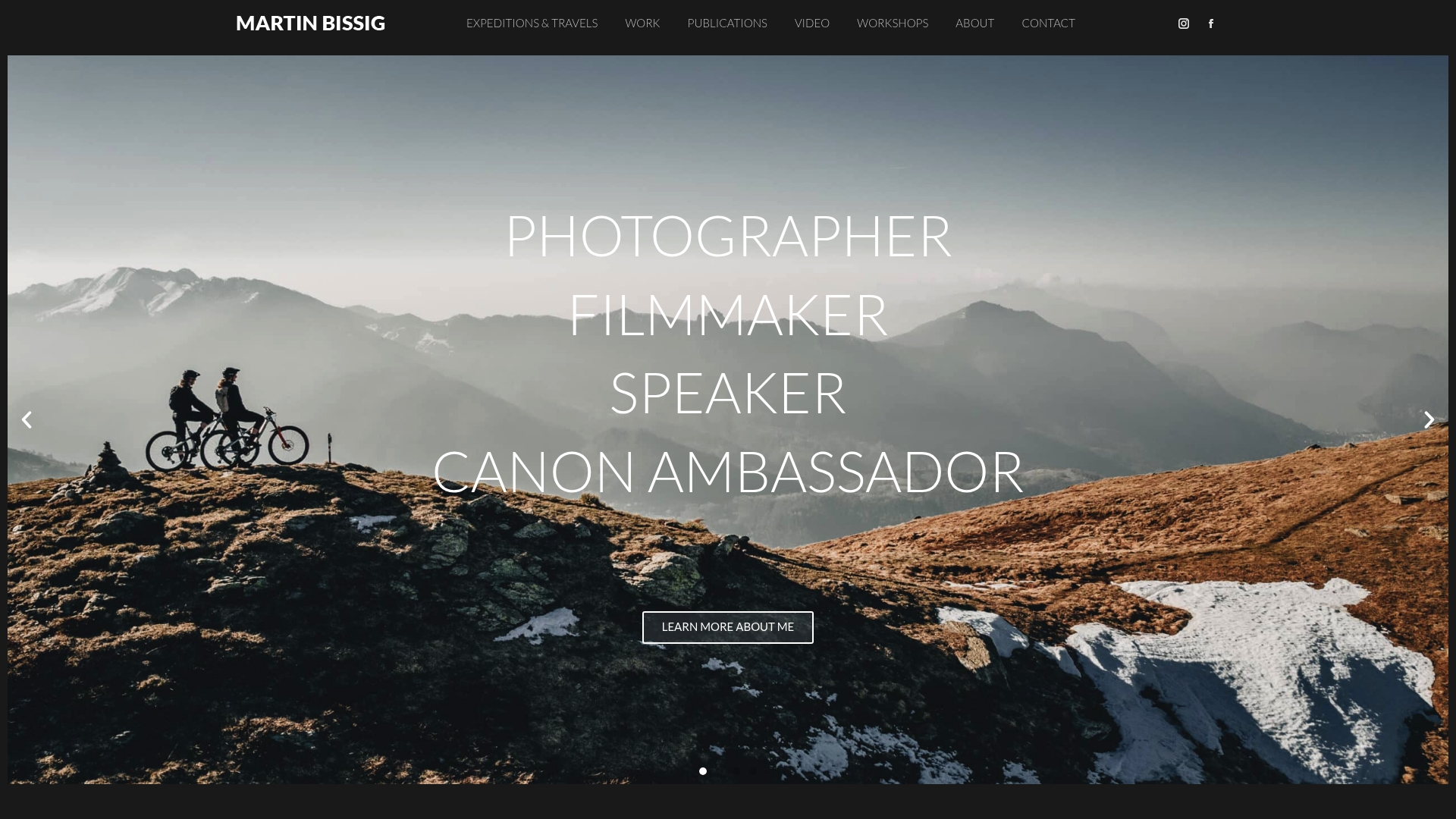
Whether you’re building a product launch video for a new trail running line or producing an editorial series from a remote mountain expedition, the quality of your imagery is the first signal your audience receives about your brand. Exploring action videography mastery provides technical frameworks built from years of field experience. Reviewing outdoor photography pro tips will bridge the gap between stills thinking and motion production. For brands ready to move from learning to execution, collaborating with outdoor photographers who specialize in adventure sports delivers the creative and technical expertise your campaign needs to compete at the highest level.
Frequently asked questions
How can I keep my camera batteries alive during extreme outdoor shoots?
Use Enduro batteries in extreme temperatures, keep spares warm in your pockets during cold shoots, store them in the shade during hot conditions, and always use protective housings with anti-fog inserts to prevent moisture damage.
What makes outdoor video editing different from indoor or studio projects?
Outdoor editing requires correcting dramatic lighting shifts across a single shoot day, managing weather-induced color inconsistencies, and cleaning unpredictable field audio sources like wind and water that studio environments never produce.
Is a solo shooter enough for pro outdoor brand videos?
Solo shooters deliver excellent immersive POV footage, but multi-angle crews produce the cinematic polish that major brand campaigns require. Hybrid teams are often the most practical and cost-effective solution for mid-tier productions.
What’s the biggest ROI secret in outdoor video marketing?
Distribution drives video ROI as much as production quality does, so your channel strategy, posting schedule, and platform-specific formatting should be planned from the very beginning of pre-production.


