

Most photographers start out chasing the perfect exposure, the sharpest lens, or the most dramatic light. What separates a technically sound image from one that actually stops a stranger mid-scroll is something different entirely. Explaining photographic storytelling means going beyond aesthetics to understand how images can carry emotion, context, and meaning that resonates with a viewer long after they look away. This guide breaks down the core principles, practical techniques, and creative frameworks that transform a collection of photos into a narrative worth experiencing.
Table of Contents
- Key Takeaways
- Explaining photographic storytelling: definitions and core elements
- Techniques for visual storytelling that actually work
- Documentary vs. editorial: two storytelling approaches
- Planning and presenting your photographic stories
- My honest take on mastering photographic storytelling
- Take your outdoor storytelling further with Bissig
- FAQ
Key Takeaways
| Point | Details |
|---|---|
| Storytelling is narrative, not just aesthetics | Photographic storytelling uses framing, sequence, and emotion to communicate meaning, not just beauty. |
| Five core elements build every photo narrative | Plot, character, setting, theme, and emotion are the building blocks of any compelling visual story. |
| Layering and light create depth | Distributing subjects across foreground, mid-ground, and background turns flat photos into immersive scenes. |
| Documentary and editorial are distinct styles | Each approach carries different ethical responsibilities and serves different narrative goals. |
| Planning precedes powerful storytelling | A clear concept, a shot list, and thoughtful sequencing are what separate snapshots from stories. |
Explaining photographic storytelling: definitions and core elements
At its core, photographic storytelling is a narrative approach that blends factual and fictional elements to connect with viewers emotionally. It is not about making a pretty picture. It is about making a picture that communicates something, asks something, or makes the viewer feel something specific.

Think of the difference between a photo of a mountain and a photo of a climber looking up at that mountain with cracked hands and exhausted eyes. The second image has a subject, a conflict, and an implied journey. That is the shift from image-making to storytelling.
The elements of photo narratives closely mirror those of written fiction:
- Plot: A sense of beginning, middle, and end. Even a single image can imply a timeline if the moment is chosen carefully.
- Character: The subject of your images. This could be a person, an animal, a landscape, or even a recurring object that carries meaning throughout a series.
- Setting: The environment you place your character in and how it shapes the emotional tone of the story.
- Theme: The underlying idea your images are exploring. Isolation. Resilience. Joy. Freedom.
- Emotion: The felt experience you want to trigger in the viewer. This is often the hardest element to engineer and the most powerful when it lands.
Beyond these five pillars, narrative intent separates a photographer who is documenting from one who is storytelling. Framing, perspective, and negative space are not just compositional choices. They are tools that guide viewer attention, create tension, and establish emotional weight. A wide shot of empty desert around a tiny human figure communicates loneliness without a single word. That is the role of storytelling in photography at its most fundamental level.
Techniques for visual storytelling that actually work
Knowing what photographic storytelling is gets you started. Knowing how to do it is what gets you results. The following techniques are ranked by how much they tend to transform a series of images from a slideshow into a cohesive story.
-
Use layering to build depth. Layering distributes visual elements across foreground, mid-ground, and background to create physical and emotional depth. A mountain biker in the foreground, a trail winding into mid-ground trees, and a snow-capped peak in the background gives a flat 2D image a three-dimensional feel that pulls viewers in.
-
Control mood with light and color. Golden hour light reads as warmth and belonging. Flat, overcast light reads as uncertainty or introspection. A deliberate color palette across your series, whether muted earth tones or saturated blues, signals to the viewer that these images belong together and are building toward something.
-
Sequence your shots intentionally. A photo story needs an establishing shot to set the scene, detail shots to build intimacy and texture, and transitional images to keep pace without losing momentum. Think of it the way a film editor thinks: your viewer’s pulse should rise and fall with your sequence.
-
Cull with ruthlessness. Strategic culling focuses on selecting images that each add unique value to the story, avoiding redundancy and repetition. If you have three nearly identical shots of the same moment, you do not have more story. You have less. Pick the one that works hardest and move on.
Pro Tip: Before sequencing your final images, print them out or lay them across a table. Physical proximity lets you see narrative flow in a way that scrolling through a screen never does.
The table below shows how different shot types serve different narrative functions in a photo story:
| Shot type | Narrative function | When to use it |
|---|---|---|
| Establishing shot | Sets location, scale, and context | Beginning of a sequence |
| Portrait or character shot | Builds connection and emotional anchor | After the scene is established |
| Detail shot | Creates intimacy and texture | Mid-sequence for pacing |
| Transitional shot | Links scenes and controls flow | Between distinct narrative moments |
| Closing shot | Provides resolution or open-ended tension | At the end of a series |
Documentary vs. editorial: two storytelling approaches
Understanding the importance of storytelling in photography also means understanding that not all stories are told the same way. The two most common approaches pull in opposite directions, and knowing the difference will sharpen your creative decisions.
Documentary photography captures real moments without staging or manipulation. The photographer acts as an observer, presenting truth as it unfolds. Think photojournalism, street photography, or environmental portraits where the subject is living their life and the camera is simply present. The value here is authenticity. The ethical stakes are also high. Documentary photography shaped modern visual culture by making looking a moral act, one involving deliberate choices about what to include, what to exclude, and whose story gets told. It establishes the camera as a moral instrument.
Editorial photography, by contrast, uses posing, styling, and controlled environments to craft a specific feeling or message. A shoe brand shooting a trail runner at dusk with perfectly timed smoke bombs is editorial. Neither style is superior. They serve different narrative goals.
| Documentary | Editorial | |
|---|---|---|
| Staging | None. Moments are captured as they happen. | Controlled. Scenes are designed and directed. |
| Ethics | High transparency required. No altering reality. | More flexibility, but misrepresentation still matters. |
| Emotional tone | Raw, unfiltered, immediate | Polished, intentional, crafted |
| Best used for | Journalism, social commentary, personal projects | Commercial work, campaigns, stylized portfolios |
| Risk | Missing the moment | Losing authenticity |
“Documentary photography at its best does not just record. It argues. It chooses a side by choosing a frame.”
Bissig’s work in outdoor photojournalism sits at the intersection of both. Action and adventure imagery can be technically staged for safety reasons while still capturing the genuine emotion and raw experience of the moment. That tension between control and authenticity is where the most interesting visual stories live. You can also explore more about photojournalism storytelling methods to see how these principles apply in practice.
Planning and presenting your photographic stories
Shooting without a concept is the fastest way to end up with a hard drive full of images that say nothing together. The planning phase is where the story actually begins.
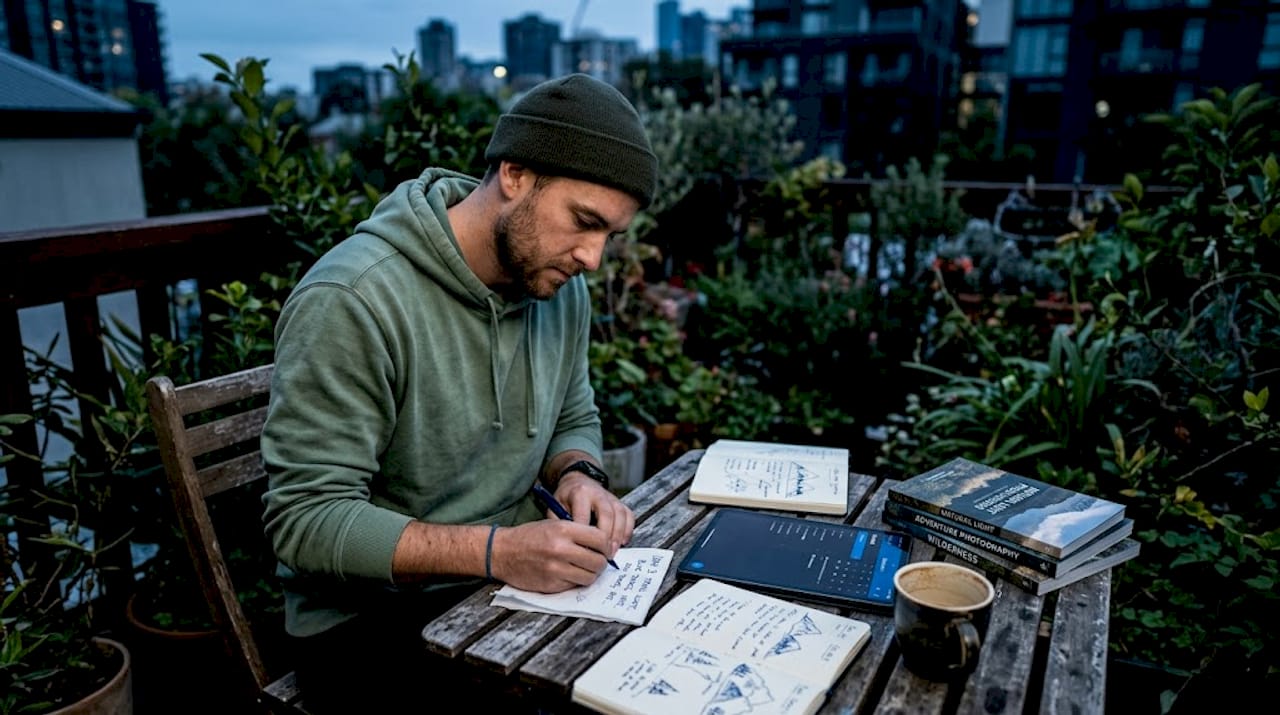
Start by developing a clear story concept before you pick up a camera. Ask yourself: What is this story about? Who or what is the subject? What do I want the viewer to feel at the end? Write it down in two or three sentences. This becomes your brief, and it keeps you anchored when the light is beautiful but off-theme.
From there:
- Build a shot list that covers your key narrative moments: the opening scene, the emotional peak, the resolution. Treat it as a framework, not a script. Real life never follows a script.
- Stay flexible during the shoot. Some of the strongest images in any documentary or outdoor series come from unexpected moments that no shot list could have anticipated.
- Sequence your images thoughtfully to control story pace, tone, and emotional impact once you are in the editing phase.
- Write captions that add context without stating the obvious. Photo captions should be accurate, concise, and conversational, in line with photojournalism ethics. A caption that says “A mountain biker descends the ridge at dusk” tells the viewer what they already see. A caption that adds “Three years after the trail reopened following wildfire damage” transforms the image entirely.
Pro Tip: When assembling a photo essay or portfolio, begin and end with your two strongest images. First impressions and last impressions carry disproportionate emotional weight.
The format you choose for presenting your story also matters. A photo essay on a news site and a printed photo book call for very different sequencing rhythms. Online presentations benefit from tighter edits and faster pacing. Printed books reward slower, more deliberate sequences with more breathing room between images. For practical guidance on assembling your work into client-ready formats, Bissig’s photography portfolio tips are worth studying.
My honest take on mastering photographic storytelling
I will be straightforward with you: storytelling mastery is a lifelong process of trial, error, and learning. Nobody gets it right every time. I certainly have not.
What I have learned after years of shooting in the mountains, on trails, and in remote locations is that the images that communicate the most are rarely the most technically impressive. They are the ones where I was patient enough to let the moment develop, where I trusted the subject and the environment instead of forcing the shot.
The hardest part of photographic storytelling is not the shooting. It is the culling. Choosing which images to cut is where most photographers lose their nerve. You fall in love with a frame because of what you felt when you took it, not because of what it actually contributes to the story. That is a trap I still fight against.
Ethical responsibility is also something I think about constantly. When you photograph people in their environment, especially in documentary or outdoor context, you carry an obligation to represent them accurately. The frame you choose is an argument you are making on their behalf.
My advice: shoot with intention, edit with detachment, and never stop asking whether the image is earning its place in the story.
— Martin
Take your outdoor storytelling further with Bissig
If you are serious about applying photographic storytelling to outdoor and adventure photography, the principles above are your foundation. But seeing them in practice, through real shoots in demanding environments, is what accelerates the learning curve. Bissig’s work across alpine terrain, mountain biking trails, and expedition environments demonstrates how narrative techniques translate into high-impact imagery for editorial and commercial clients. Explore the full breakdown of outdoor photography styles and techniques to see how story-driven thinking shapes every frame. For location-specific inspiration, the outdoor photoshoot ideas guide covers practical concepts that connect narrative intent with natural environments.
FAQ
What is photographic storytelling?
Photographic storytelling is a narrative approach that uses image composition, sequencing, and emotional intent to communicate a story to the viewer. It goes beyond aesthetics to build a sense of character, setting, and emotional arc across one or more images.
What are the key elements of a photo narrative?
The core elements of photo narratives are plot, character, setting, theme, and emotion. These elements work together to give a series of images coherence and meaning beyond individual frames.
How do you tell a story through photos?
Start with a clear concept, use a shot list to plan key narrative moments, and sequence your final images to control pacing and emotional impact. Culling ruthlessly and writing strong captions also strengthen the overall story.
What is the difference between documentary and editorial photography?
Documentary photography captures unaltered, real moments with a strong ethical obligation to truth. Editorial photography uses staging and stylization to craft a specific message, typically for commercial or campaign use.
Why does storytelling matter in photography?
The importance of storytelling in photography is that it transforms images from records into experiences. Storytelling is a lifelong creative process that requires vision and patience, and it is what makes audiences connect emotionally with an image rather than simply observe it.


