

Professional adventure photography is defined as the use of authentic, location-specific imagery to communicate brand values, build consumer trust, and drive purchase decisions in the outdoor and adventure industry. The role of photography in adventure branding goes far beyond aesthetics. Visual credibility judgments occur in under 100 milliseconds, meaning your images either earn trust or lose it before a single word is read. Fewer than 20% of sporting operations maintain a current, professional photo library. That gap is a direct competitive opportunity for brands willing to invest in authentic, brand-exclusive imagery.
How does professional photography enhance brand identity in the adventure industry?
Photography is the fastest way to communicate what your brand stands for. A single image of a climber trusting a harness on a real rock face says more about durability and performance than three paragraphs of product copy. This is why visual storytelling in adventure marketing has shifted from a nice-to-have to a core brand strategy.
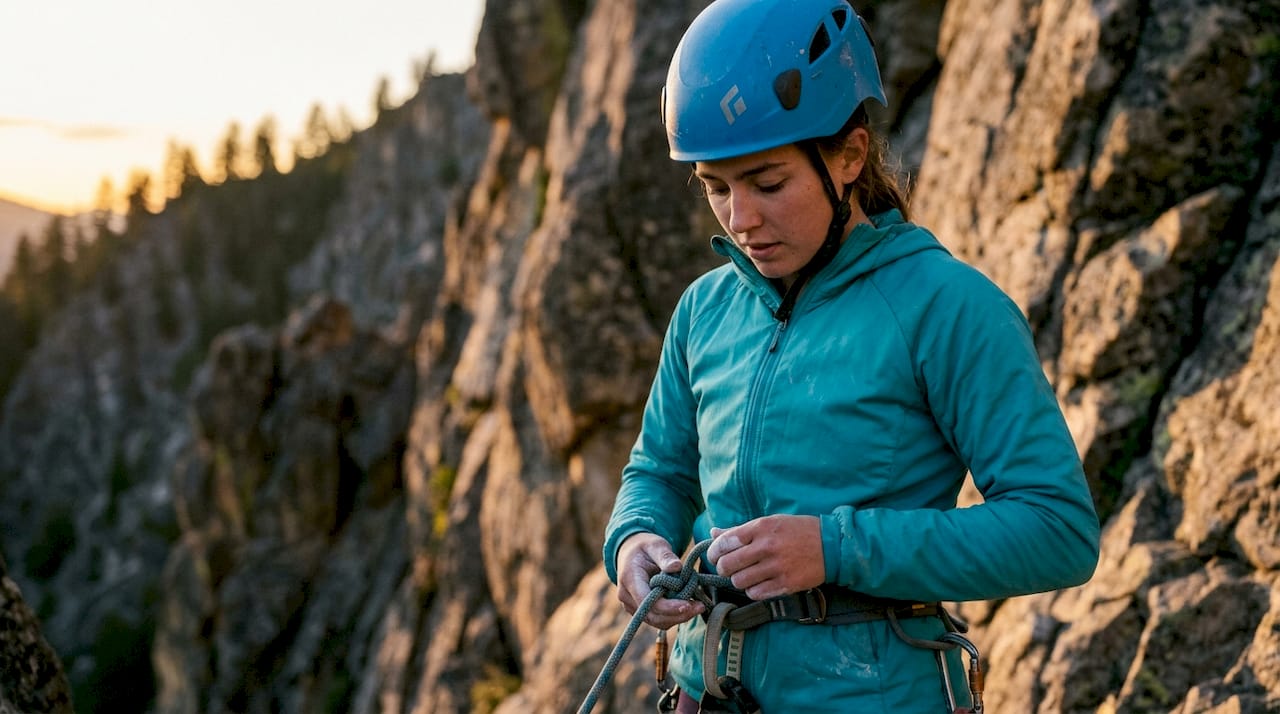
The most effective adventure brands treat their photo libraries as living documents, not one-off campaign assets. Brands that shift to living story libraries build emotional equity by showing mission, values, and real operational moments through documentary-style production. That approach creates a depth of brand personality that generic lifestyle shots simply cannot replicate.
The difference between a generic lifestyle photo and a documentary-style brand image comes down to specificity and intent. Generic images show people being happy outdoors. Documentary-style images show your product solving a real problem in a real environment. That specificity is what builds trust with experienced outdoor consumers who can spot a staged scene immediately.
Here is what authentic adventure brand photography actually communicates:
- Brand mission: Images of athletes using your gear in genuine conditions show what your brand believes in, not just what it sells.
- Product credibility: Real use environments, such as technical trails or alpine routes, confirm that your product performs where it matters.
- Emotional connection: Authentic moments, whether exhaustion at a summit or the focus before a rapid, create emotional resonance that stock photos never achieve.
- Supply chain transparency: Documentary-style production can show craftsmanship, materials, and testing, building trust at every stage of the buyer journey.
Pro Tip: Treat every shoot as a brand journalism assignment. Ask yourself what story this image tells about your brand’s values, not just whether the product looks good.
What are best practices for organizing and planning adventure brand photography?
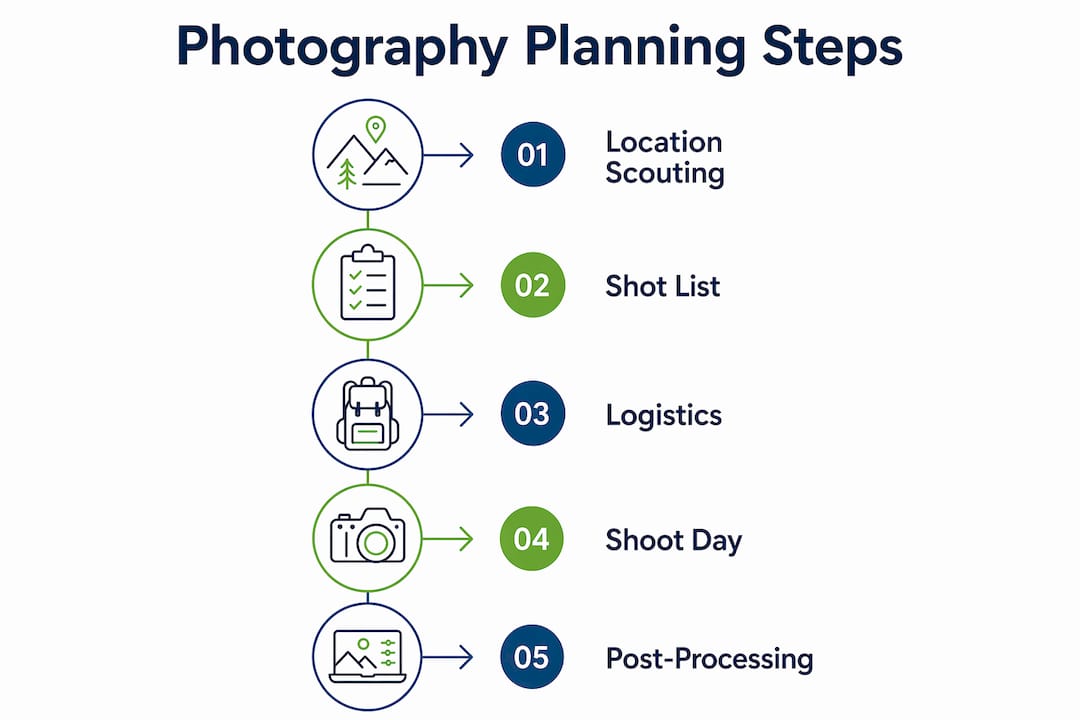
Shoot planning is where most adventure brands lose money and miss opportunities. A poorly planned shoot in a spectacular location still produces generic content. A well-planned shoot in a modest location can produce a year’s worth of high-performing assets.
The industry standard for outdoor product photography requires a minimum of five distinct frame types to address specific buyer questions and reduce purchase doubt. Each frame type serves a different function in the buyer’s decision process.
- Core in-use shot: Shows the product performing its primary function in a real environment. This is the hero image that anchors product pages and paid ads.
- Fit and scale shot: Demonstrates how the product sits on a real body in motion. Buyers need to visualize themselves using it.
- Feature interaction shot: Highlights a specific technical detail, such as a buckle system, ventilation panel, or grip pattern, in context.
- Durability context shot: Places the product in conditions that signal stress, such as mud, rain, or abrasion, to confirm it can handle real use.
- Outcome shot: Shows the result of using the product correctly, whether that is reaching a summit, completing a descent, or finishing a race.
Logistical planning separates professional shoots from expensive experiments. Scouting 3–5 locations before the shoot date and timing key frames for golden hour light are non-negotiable practices. Coordinating multiple brand partners in a single shoot also multiplies content output without multiplying cost.
Pro Tip: Build a shot list that maps each planned image to a specific buyer question. If you cannot name the question an image answers, cut it from the schedule.
The table below shows how each frame type maps to a buyer concern and a marketing channel:
| Frame type | Buyer question answered | Primary channel |
|---|---|---|
| Core in-use | Does this work in real conditions? | Product page, paid ads |
| Fit and scale | Will this fit and feel right on me? | Social media, email |
| Feature interaction | What makes this technically different? | Product detail page |
| Durability context | Will this last in tough conditions? | Reviews, editorial |
| Outcome | What will I achieve with this? | Brand campaigns, print |
Authenticity in setting is not optional. Showing products in specific environments, such as hiking boots on technical trails rather than manicured paths, reinforces technical credibility. Misrepresenting the use environment erodes trust fastest among the expert outdoor consumers you most want to reach.
How does professional adventure photography impact consumer engagement and conversion?
The impact of visuals on adventure marketing is measurable and direct. Consumers form a visual judgment of credibility in under 100 milliseconds. That judgment determines whether they keep reading or leave. No amount of copy can recover from a weak first image.
Stock photography signals inauthenticity to serious outdoor consumers. They recognize generic images immediately, and that recognition triggers skepticism about the brand’s real experience and product quality. Authentic, business-specific images are the only reliable way to build trust and act as a competitive differentiator.
Professional images reduce buyer doubt across four specific dimensions before a customer reads a single product specification:
- Fit doubt: Does this product work for someone with my body type and activity level?
- Durability doubt: Will this hold up in the conditions I actually face?
- Use doubt: Am I the right kind of person for this product?
- Outcome doubt: Will buying this actually improve my experience?
“Marketing teams often misuse lifestyle photography as decoration rather than operational proof. Every image should answer a specific buyer question to build trust and drive purchases.” — D2C Times
Seasonal timing also determines whether great images actually perform. Planning your asset library 6–8 weeks before peak search volume allows proper indexing and testing before buying cycles begin. Brands that wait until peak season to publish new imagery miss the window when consumer intent is highest.
Professional brand photography builds trust by immediately communicating professionalism, authenticity, and consistent brand identity across all platforms. That consistency compounds over time, making each new image more effective because it reinforces what consumers already associate with your brand.
How can brands integrate adventure photography into a multi-channel strategy?
A single well-planned shoot should produce assets for every channel your brand uses. The goal is to collapse brand and performance creative into one production investment, generating hero social content and detailed product imagery from the same day in the field. That approach increases return on investment and prevents the visual inconsistency that comes from sourcing images across multiple shoots and styles.
Channel-specific planning ensures every asset earns its place:
- Website and product pages: Use core in-use and feature interaction shots. These images carry the heaviest conversion responsibility.
- Social media: Prioritize outcome and emotional connection shots. These drive shares, saves, and follower growth.
- Paid advertising: Use fit and durability shots. These address the specific doubts that prevent clicks from converting.
- Print collateral and editorial: Use hero landscape images with strong compositional depth. These build brand prestige and support wholesale relationships.
Style consistency across all channels is what builds brand recognition over time. When your Instagram grid, your product pages, and your trade show banners all feel like they came from the same visual world, consumers develop a subconscious familiarity with your brand. That familiarity lowers the barrier to purchase. Working with a dedicated outdoor photographer over multiple seasons is the most reliable way to maintain that consistency.
The brands that win long-term are those that treat photography as an ongoing investment rather than a periodic expense. A living story library, updated seasonally and built around real brand moments, compounds in value every year. Each new image adds to a body of evidence that your brand is the real thing.
Key Takeaways
Professional adventure photography is the single most powerful tool for building brand trust, reducing buyer doubt, and driving conversion across every channel an outdoor brand uses.
| Point | Details |
|---|---|
| First impressions are visual | Credibility judgments happen in under 100 milliseconds, so image quality determines whether buyers stay or leave. |
| Five frame types are the standard | Every product shoot needs in-use, fit, feature, durability, and outcome shots to address all buyer questions. |
| Authenticity beats stock every time | Generic images trigger skepticism; only brand-specific, environment-accurate imagery builds lasting trust. |
| Plan assets 6–8 weeks early | Publishing new imagery before peak search volume allows indexing and testing when buyer intent is highest. |
| One shoot, every channel | Collapsing brand and performance creative into a single production maximizes return and ensures visual consistency. |
What I’ve learned shooting for adventure brands over the years
The biggest mistake I see adventure brands make is treating a photo shoot like a box to check. They book a day, get some images, and move on. Then they wonder why their content feels flat six months later.
The brands that get the most from their photography investment come in with a clear brief, a mapped shot list, and a genuine willingness to put their product in real conditions. That last part matters more than most marketing teams realize. Experienced outdoor consumers are not forgiving of staged scenes. They know what a technical trail looks like. They know what real fatigue looks like. If your images do not reflect that reality, you lose them before they ever read your copy.
What I push every client toward is thinking in seasons, not campaigns. A single shoot in the right location, planned around golden hour and scouted properly, can produce assets that perform across an entire year. The value of outdoor imagery compounds when you build a library with intention rather than filling gaps reactively.
The other thing I have found is that the best shoots happen when the photographer and the brand team are genuinely aligned on the story being told. Not just the product specs, but the values, the customer, and the moment you are trying to capture. That alignment shows up in every frame.
— Martin
Bissig’s adventure photography for brands that need more than stock
Adventure brands that are serious about visual storytelling need more than a photographer who shows up and shoots. They need someone who understands the outdoor consumer, plans with the precision of a production team, and delivers assets that work across every channel.
Bissig specializes in adventure and action photography for commercial and editorial clients across the outdoor and sports industry. From mountain biking to alpine expeditions, every shoot is planned around your brand’s specific story and buyer questions. The result is a versatile visual library built for websites, social media, paid ads, and print. If your current imagery is not converting the way it should, the sports photographer for adventure branding page is a good place to start.
FAQ
What is the role of photography in adventure branding?
Photography is the primary tool adventure brands use to communicate values, build trust, and reduce buyer doubt before a consumer reads any product copy. Visual credibility judgments happen in under 100 milliseconds, making image quality a direct conversion driver.
How many photos does an adventure brand need per product?
Best practice requires a minimum of five distinct frame types per product: core in-use, fit and scale, feature interaction, durability context, and outcome. Each frame answers a specific buyer question that copy alone cannot resolve.
Why does stock photography hurt adventure brands?
Serious outdoor consumers recognize generic stock images immediately, and that recognition triggers skepticism about a brand’s real experience and product quality. Only authentic, brand-specific imagery reliably builds trust and acts as a competitive differentiator.
When should adventure brands update their photo libraries?
Brands should plan new assets 6–8 weeks before peak search volume to allow proper indexing and testing before buying cycles begin. Waiting until peak season means missing the window when consumer intent is highest.
What is a living story library in adventure brand photography?
A living story library is an ongoing, documentary-style collection of brand images updated seasonally to show real missions, values, and product use. It replaces one-off campaign shoots with a compounding visual asset that deepens emotional connection over time.


