

Editorial photography is defined as photography commissioned to accompany written text in publications, with the primary goal of illustrating narratives rather than selling products. If you have ever opened a magazine and felt a photograph pull you into a story before you read a single word, you have experienced editorial photography at its best. This guide breaks down the editorial photography definition, its core techniques, and why it matters for photographers and students building serious creative careers. Bissig draws on years of editorial and outdoor assignment work to give you a grounded, practical perspective.
What is editorial photography, and how is it defined?
Editorial photography is function-based, not style-based. An image qualifies as editorial when it is commissioned to support text in a magazine, book, newspaper, or digital publication. The defining factor is intent, not aesthetics.
This distinction matters more than most photographers realize. A moody, cinematic portrait is not automatically editorial. That same portrait becomes editorial the moment it is assigned to accompany a feature story in a publication. The function determines the category, not the look.
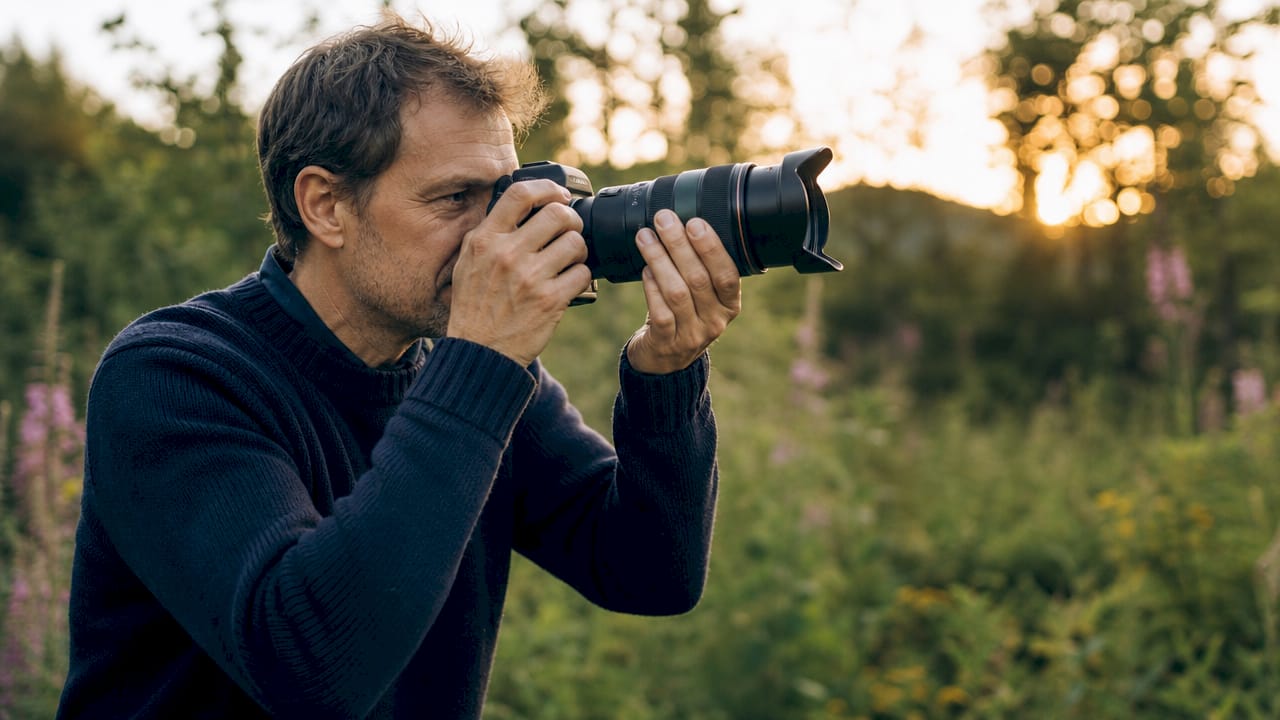
Editorial images prioritize storytelling and mood over direct sales. They exist to deepen a reader’s understanding of a topic, a person, or an event. That purpose shapes every creative decision, from lighting to location to subject expression.
How does editorial photography differ from commercial and photojournalism?
Understanding where editorial photography sits relative to commercial work and photojournalism saves you from costly creative and legal mistakes.
Editorial photography focuses on storytelling alongside text, while commercial photography targets direct product or brand promotion. A commercial shoot for a sportswear brand wants images that make you buy the jacket. An editorial shoot for an outdoor magazine wants images that make you feel the mountain.
Photojournalism sits in a different lane entirely. It demands strict factual documentation of real events with minimal creative intervention. Editorial photography allows far more conceptual freedom. You can direct subjects, choose symbolic locations, and shape mood deliberately. Photojournalism cannot.
Here is a clear breakdown of the three categories:
| Category | Primary goal | Creative freedom | Subject matter |
|---|---|---|---|
| Editorial photography | Illustrate and support written narratives | High, concept-driven | People, events, concepts, lifestyle |
| Commercial photography | Sell products or build brand awareness | Moderate, brief-driven | Products, services, brand identity |
| Photojournalism | Document real events factually | Low, reality-bound | News events, social issues |
The most common mistake photographers make is treating editorial as a mood or visual style. It is not. A heavily styled, high-contrast image shot for a brand campaign is commercial, regardless of how “editorial” it looks on Instagram.
- Editorial photography complements text and conveys concepts or narratives.
- Commercial photography drives direct sales or brand recognition.
- Photojournalism documents events with strict realism and minimal staging.
- Editorial allows conceptual and creative interpretation within a publication brief.
- Confusing editorial with aesthetic style leads to misuse of licensing and legal risk.
What are the common types of editorial photography?
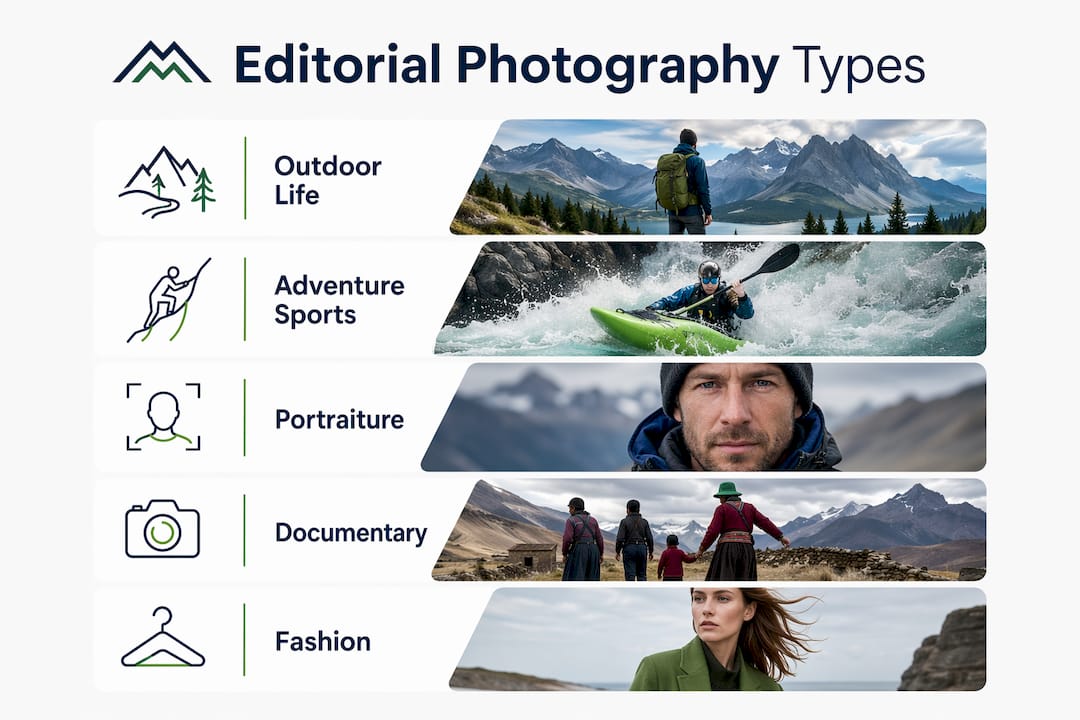
Editorial photography is highly adaptable, covering a wide range of subgenres. Each type serves a specific publication context and demands a different creative approach.
- Fashion editorial: Focuses on styling, mood, and atmosphere to support fashion features. The goal is to communicate a concept or season, not to sell a specific garment directly.
- Lifestyle editorial: Highlights personal stories, cultural moments, or human experiences. Think magazine profiles, travel features, and health and wellness spreads.
- Documentary event editorial: Captures unfolding moments naturally rather than staging scenes. Event editorial photography uses a documentary approach, letting stories reveal themselves in real time.
- Conceptual editorial: Supports abstract ideas or thematic content through symbolic imagery. These shoots require strong pre-production planning and a clear visual concept.
- Food and product editorial: Appears in culinary publications and lifestyle magazines. The images support recipes or product reviews rather than advertising the brand directly.
The breadth of editorial subgenres is one of the strongest reasons to specialize. A photographer who masters outdoor lifestyle editorial, for example, builds a reputation that attracts a specific, loyal client base in media.
What technical and artistic skills does editorial photography require?
Editorial assignments demand both technical precision and creative intelligence. You cannot succeed with one without the other.
Technical file quality and print standards
Professional editorial photographers deliver technically sound images under strict deadlines and meet print quality standards consistently. For print publications, this typically means high-resolution files with accurate color profiles. Digital publications require optimized file sizes without sacrificing image quality.
Layout awareness and composition
Editors prioritize photographers who understand layout constraints, such as leaving negative space for headlines and body text. An image that looks perfect as a standalone photograph may fail completely as a magazine spread if there is no room for typography. Shooting with layout in mind is a skill that separates working editorial photographers from talented amateurs.
Mood, lighting, and narrative construction
Editorial photography is concept-driven and prioritizes mood, atmosphere, and narrative over pure realism. Lighting choices, location selection, and subject direction all serve the story. Every frame should answer the question: what does this image add to the text it accompanies?
Here is a practical process for building editorial technical skills:
- Study the publication first. Analyze the layout, column widths, and image placement before you shoot. Know where your image will live on the page.
- Shoot for cropping flexibility. Capture wider than you think you need. Editors crop. Give them options.
- Control your color grading. Consistent color across a series of images signals professionalism. Editors notice when a set of images feels disjointed.
- Master available light. Many editorial assignments happen in uncontrolled environments. Knowing how to work with natural and mixed light is non-negotiable.
- Deliver on deadline. Technical excellence means nothing if the files arrive late. Editorial schedules are fixed.
Pro Tip: When shooting for a specific publication, request a layout template or past issue before the assignment. Knowing the exact crop ratios and text placement zones lets you compose with purpose rather than guessing.
Why choose editorial photography? Key advantages for photographers
Editorial photography builds something commercial work rarely does: long-term authority and a storytelling reputation.
Editorial photography is a long-term branding strategy that positions a photographer as an authority and signals substantive creative work over vendor status. When your images appear in respected publications, you become associated with the credibility of those outlets. That association compounds over time.
Authentic editorial images lead to longer on-page engagement and better search visibility for the brands and publications that use them. Search engines favor contextual, authentic imagery over generic stock photos. This makes editorial photography valuable not just creatively but commercially for the clients who commission it.
The advantages for photographers are concrete:
- Creative freedom: Editorial briefs allow conceptual interpretation. You are not locked into a product shot list.
- Portfolio depth: Editorial work demonstrates range, narrative skill, and the ability to work within a publication context.
- Media credibility: Publication credits build a public record of professional work that commercial portfolios alone cannot replicate.
- Client diversity: Editorial clients include magazines, digital media brands, book publishers, and nonprofits.
One critical risk deserves attention. Using editorial images for commercial marketing can cause legal and reputational issues, since editorial licensing does not cover product endorsement. Photographers and clients must understand the distinction before repurposing images across contexts.
“Editorial photography positions you as a narrator, not a vendor. That shift in identity changes the clients you attract and the work you get to do.”
How can photographers apply editorial principles to their own projects?
Applying editorial thinking to your work does not require a magazine assignment. The principles translate directly to personal projects and portfolio building.
- Start with a concept, not a location. Define the story or idea you want to communicate before you pick up a camera. Strong editorial work begins with a clear narrative intention.
- Build a shot list around the story arc. Think in sequences. A single strong image is good. A series that builds a narrative is editorial.
- Direct your subjects with purpose. Candid moments are valuable, but editorial photography often blends direction with naturalism. Give subjects a context and let them respond to it.
- Leave room for text. Even in personal projects, practice composing with negative space. It trains your eye for publication-ready framing.
- Pitch to publications. Send your personal editorial projects to relevant magazines or digital outlets. A well-constructed pitch with a clear story angle gets responses.
Pro Tip: Build a visual storytelling practice by shooting personal documentary projects monthly. Treat each one as a real assignment with a brief, a deadline, and a final edit. The discipline transfers directly to paid editorial work.
For photographers working in outdoor and adventure contexts, magazine photography best practices apply directly. The same layout awareness and narrative discipline that serves a fashion editorial serves an outdoor adventure spread.
Key Takeaways
Editorial photography is defined by its function: images commissioned to accompany and enrich written text in publications, prioritizing storytelling over sales.
| Point | Details |
|---|---|
| Function defines editorial | An image is editorial because of its commissioned purpose, not its visual style or mood. |
| Distinct from commercial work | Commercial photography sells products; editorial photography supports narratives and ideas. |
| Layout knowledge is critical | Leaving negative space for text and shooting for cropping flexibility separates working pros from amateurs. |
| Long-term authority builder | Editorial credits in publications build credibility and a storytelling reputation over time. |
| Licensing boundaries matter | Editorial images cannot be repurposed for commercial marketing without risking legal and licensing issues. |
What I have learned from years of editorial assignments
The biggest misconception I see from photographers entering editorial work is treating it as a style. They study the look of editorial images and try to replicate the aesthetic without understanding the underlying purpose. That approach produces technically interesting images that fail as editorial work because they have no narrative function.
The assignments that have shaped my own practice most were the ones with the tightest briefs and the least obvious subjects. A mountain biking feature in a remote location does not give you perfect light or a cooperative environment. It gives you a story to tell, a deadline, and the expectation that you will figure it out. That pressure forces creative problem-solving that no personal project fully replicates.
One thing I wish someone had told me earlier: editors remember photographers who make their job easier. That means delivering files that work in the layout, communicating clearly during the assignment, and understanding that your creative vision serves the publication’s story, not the other way around. The photographers who build lasting editorial careers are the ones who internalize that balance without losing their creative voice.
— Martin
Editorial photography resources from Bissig
Bissig has built a body of work across outdoor, adventure, and sports editorial assignments that spans publications, brand campaigns, and documentary projects.
For photographers looking to sharpen their editorial approach, Bissig’s editorial photography tips cover visual storytelling techniques drawn from real assignment experience. Photographers interested in how editorial principles apply to outdoor and adventure contexts will find practical depth in the outdoor photographer portfolio and the adventure sports photography guide. These resources connect editorial thinking directly to the dynamic, location-driven work that defines Bissig’s practice.
FAQ
What is the editorial photography definition in simple terms?
Editorial photography is photography commissioned to accompany written text in publications, with the purpose of illustrating stories rather than selling products. The function of the image, not its visual style, determines whether it is editorial.
How does editorial photography differ from commercial photography?
Commercial photography is designed to sell products or build brand awareness directly. Editorial photography supports written narratives and is concept-driven rather than sales-driven.
Can editorial images be used in advertising?
Using editorial images for advertising or product marketing creates legal risk because editorial licensing does not cover commercial endorsement. Always verify licensing terms before repurposing editorial images.
What skills do editorial photographers need most?
Technical file quality, layout awareness, and the ability to build narrative through lighting and composition are the core skills. Understanding how images function within a publication layout is as important as artistic vision.
What is editorial videography?
Editorial videography applies the same principles as editorial photography to moving image. It is video commissioned to accompany and enrich written or spoken content in media, prioritizing storytelling and atmosphere over direct product promotion.


