

Authenticity in outdoor content is defined as the honest, unfiltered representation of real adventures, real decisions, and real outcomes. Outdoor audiences are among the most skeptical content consumers in any niche. They cross-check gear choices, recognize staged setups, and disengage fast when something feels scripted. Understanding why authenticity matters in outdoor content is not a branding exercise. It is the foundation of every trust relationship between a creator, a brand, and the people who actually live this lifestyle. Consumers now rank authenticity above every other personal value when deciding what content to engage with. That shift changes everything about how outdoor brands and creators need to show up.
How does authenticity build trust and engagement among outdoor audiences?
Authentic outdoor content builds trust because it reflects the audience’s own lived experience back at them. When a creator shows a wet boot, a wrong turn, or a gear fix at mile 12, the audience recognizes it as real. That recognition creates a bond that no polished ad can replicate.
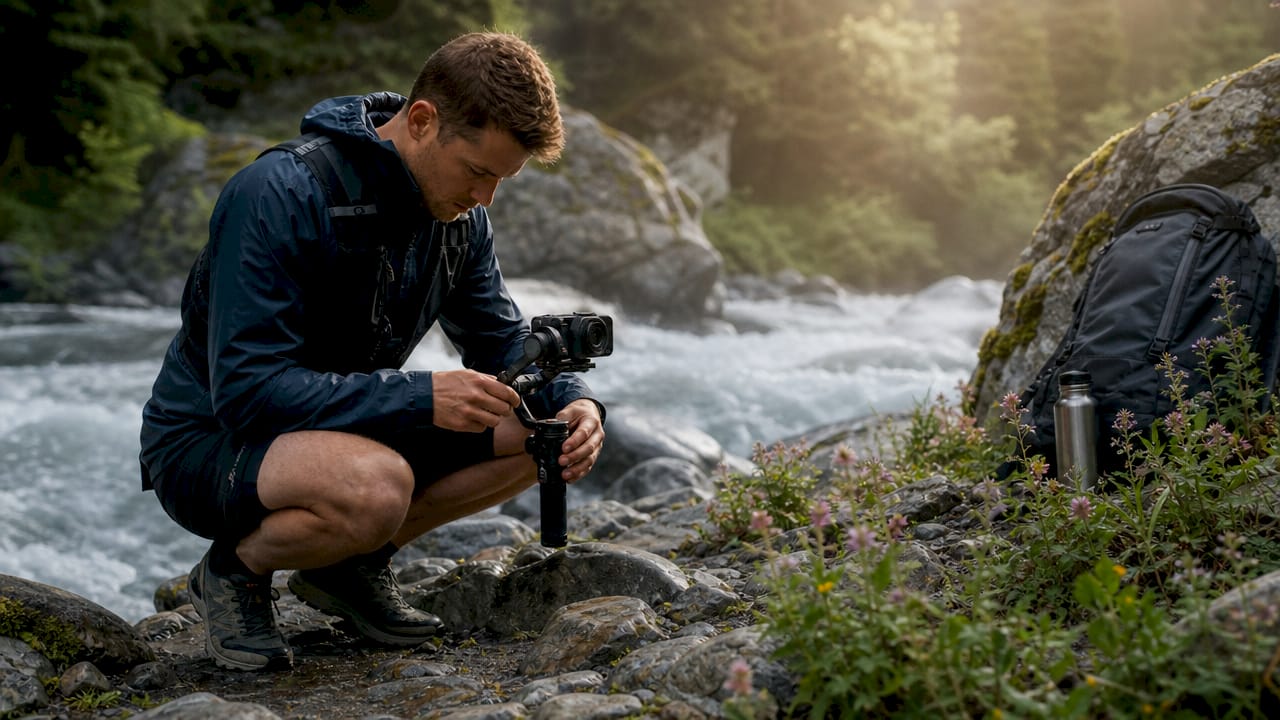
Outdoor audiences are notably skeptical of generic marketing. They have spent enough time in the field to spot a staged campfire or a suspiciously clean tent. That skepticism means trust must be earned through specificity and honesty, not production value alone.
The content formats that earn the most trust in this space share a common structure. They teach, they show process, and they treat the audience as capable adults.
- Instructional content: Hands-on learning rates 7–8 out of 10 in preference among outdoor enthusiasts. Practical, step-by-step content signals that the creator has actually done the thing.
- Mentorship-style storytelling: Long-form content that guides the audience through a decision or a skill builds a relationship over time, not just a single view.
- Behind-the-scenes logistics: Showing trailhead prep, pack weight decisions, and weather calls tells the audience you were actually there.
- Community member stories: Featuring real people from the audience creates a feedback loop of trust and belonging.
Authentic creator endorsements also drive real commercial results. Outdoor content compounds conversions beyond the initial campaign window because audiences return to trusted sources when they are ready to buy. A single honest gear review from a credible creator outperforms a month of display advertising. That is the commercial case for genuine storytelling, not just the ethical one.
Pro Tip: When planning content, ask whether a first-time viewer would trust the creator’s recommendation after watching. If the answer requires a polished edit to get there, the content is not doing its job.
What distinguishes authentic outdoor content from staged content?
The gap between authentic and staged outdoor content is visible to any experienced audience member within seconds. Authentic content carries the weight of real decisions. Staged content carries the weight of a script.
The clearest marker of genuine outdoor content is what Meredith Fontana describes as congruence with the creator’s internal reality. The story matches what the creator actually experienced, not what looked best on camera. That internal honesty creates emotional resonance that audiences feel even when they cannot name it.
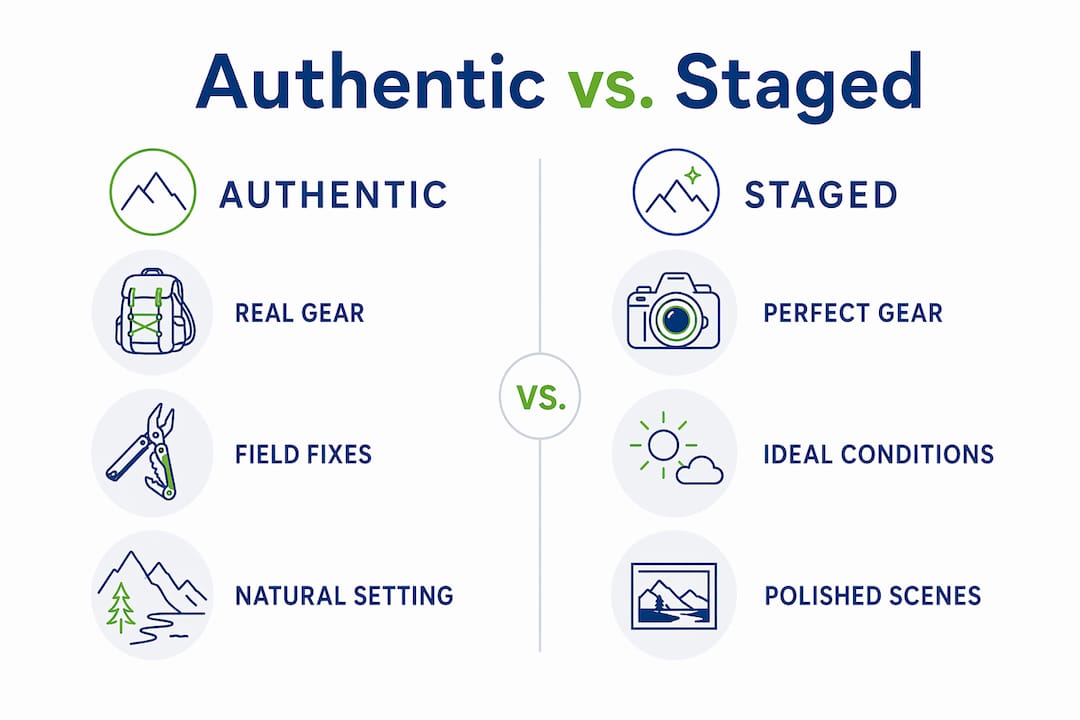
Showing “the mess” is the most reliable signal of authenticity. Documenting gear failures, bad weather, and real field decisions validates experience to a skeptical audience. A broken binding, a rained-out summit attempt, or a camp meal gone wrong tells the audience more about a creator’s credibility than a perfect sunrise shot ever will.
| Authentic content | Staged or commercial content |
|---|---|
| Shows gear failures and field fixes | Features only clean, functioning equipment |
| Includes logistics: packing, setup, navigation | Cuts straight to the highlight reel |
| Reflects real weather and conditions | Uses ideal lighting and controlled environments |
| Acknowledges uncertainty and mistakes | Presents a linear, problem-free narrative |
| Returns to locations across seasons | One-off shoots optimized for visual impact |
Outdoor audiences actively cross-check logistics like trailhead setup and gear prep to verify that a creator was genuinely present. A cinematic drone shot of a mountain peak means far less than a muddy boot and a hand-drawn route on a topo map. The details are the proof.
Pro Tip: Before publishing, scan your content for anything that looks “too clean.” If every frame is perfect, you have probably edited out the authenticity along with the noise.
Why is consistency key in maintaining authenticity over time?
Consistency is what separates a trusted voice from a one-hit creator. A single authentic post earns attention. A sustained body of authentic work earns loyalty.
Returning to the same locations across seasons builds a depth of ecological and experiential knowledge that one-off viral content cannot replicate. The audience sees the same creek in spring runoff and late-summer drought. That longitudinal view signals mastery and genuine investment in the place.
Building consistency into an outdoor content practice requires a clear structure. These four steps create a foundation that holds up over time:
- Commit to a location or subject. Return to it repeatedly. Document change across seasons, conditions, and years.
- Build mentorship content into your regular output. Long-form educational content compounds as a trust asset. Each piece adds to a body of work that new audience members discover and existing ones revisit.
- Share community stories alongside your own. Featuring your audience’s experiences shows that the community is real and that you are genuinely part of it.
- Be transparent when things change. If your opinion on a piece of gear shifts, say so. If a location has changed, document it. Authenticity gaps, where past content contradicts present behavior, destroy trust faster than any single mistake.
Authentic brands participate genuinely in outdoor culture rather than extracting value through ads. That participation shows up in consistency: showing up for the community, the place, and the story over time, not just when a campaign is live.
How can creators and brands embed authenticity into their content strategy?
Practical authenticity is a production decision, not just a values statement. The choices made before, during, and after a shoot determine whether the final content earns trust or loses it.
Authentic social media content requires openness to showing both strength and weakness. That means giving creators the freedom to tell real stories rather than scripted ones. A brand that hands a creator a tight script and a shot list will get polished content that the outdoor audience immediately distrusts.
Practical strategies for embedding genuine storytelling into outdoor content:
- Let creators document the full arc. Pre-trip planning, the hard middle, and the honest outcome. Not just the summit.
- Feature unfiltered adventures. Include the weather that did not cooperate, the route that required a pivot, and the gear that underperformed.
- Use educational content as a trust anchor. Tutorials, skill breakdowns, and gear comparisons modeled on mentorship-style storytelling build audience confidence in the creator’s expertise.
- Incorporate user-generated content. Audience photos, trip reports, and field notes signal that real people are living the experience, not just watching it.
- Balance aesthetics with raw realism. High-quality imagery and genuine storytelling are not opposites. Bissig’s work as a Canon ambassador demonstrates that technical excellence and authentic narrative coexist. The goal is images that are both visually strong and honest about the conditions that produced them.
The role of a photojournalist in outdoor storytelling offers a useful model here. Photojournalism prioritizes truth over aesthetics. Outdoor content creators who adopt that mindset, even partially, produce work that audiences trust at a deeper level.
Key Takeaways
Authentic outdoor content builds lasting trust because it reflects real experiences, real decisions, and real outcomes that skeptical outdoor audiences can verify.
| Point | Details |
|---|---|
| Authenticity drives trust | Outdoor audiences detect staged content quickly; genuine lived experience is the primary trust signal. |
| Show the mess | Gear failures, bad weather, and field fixes validate credibility more than polished highlight reels. |
| Consistency compounds loyalty | Returning to locations and subjects across seasons builds mastery and audience trust over time. |
| Give creators real freedom | Scripted campaigns underperform; creators who tell honest stories drive stronger, longer-lasting engagement. |
| Education builds community | Mentorship-style and instructional content creates loyal audiences that return and convert over time. |
What I have learned about authenticity after years in the field
The outdoor content world has changed more in the past three years than in the decade before it. Audiences are sharper now. They have seen enough sponsored sunsets and product-placement campfires to develop a finely tuned filter for what is real and what is performance.
What I have found, shooting in places like Pakistan and California, is that the images and stories that resonate longest are never the ones where everything went right. They are the ones where something went wrong and we kept going anyway. A storm that pinned us down for two days on a ridge in the Karakoram produced more compelling content than any blue-sky summit shot. The audience felt the weight of it because it was real.
The mistake I see brands make most often is treating authenticity as an aesthetic choice rather than an editorial one. They hire a creator, give them a shot list, and expect the result to feel genuine. It never does. The outdoor audience is too experienced for that. Real authenticity requires giving up some control, and that is genuinely uncomfortable for most marketing teams.
The creators and brands winning right now are the ones who treat their audience as partners in the story, not consumers of it. They share the planning, the uncertainty, and the outcome. They come back to the same places. They build something that looks less like a campaign and more like a relationship. That is what authentic outdoor imagery actually means in practice.
— Martin
Authentic outdoor photography and filmmaking with Bissig
Producing outdoor content that earns genuine trust requires more than a good camera. It requires the judgment to know which moment tells the real story and the technical skill to capture it without losing that truth in post-production.
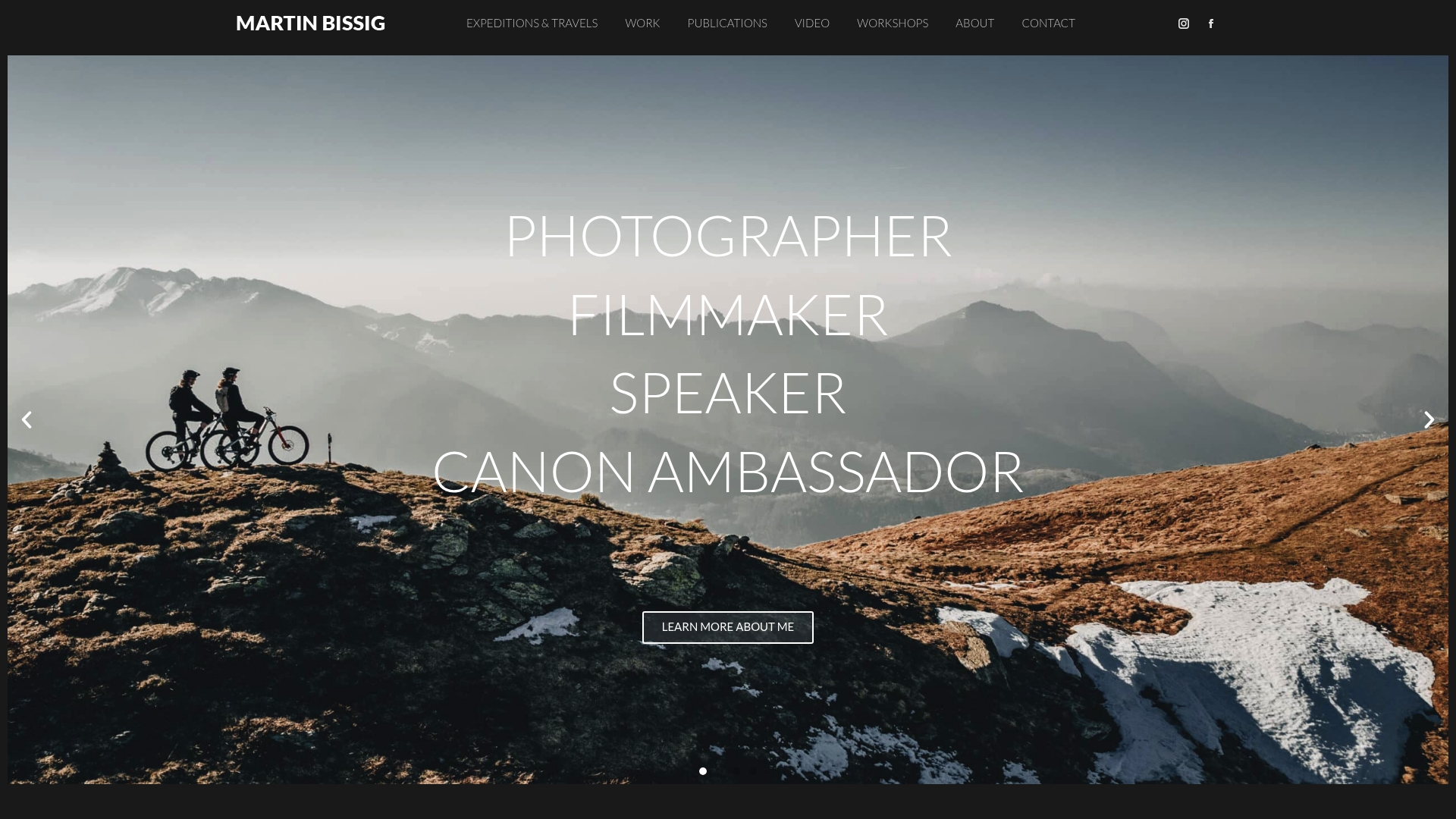
Bissig brings both to every project, from commercial campaigns in the Swiss Alps to editorial work across three continents. Whether you need outdoor photography techniques explained for your team or a professional shooter who can document your brand’s real story in the field, the work speaks for itself. Explore Bissig’s portfolio and services at bissig.ch/outdoor-photographer-switzerland to see what genuine outdoor storytelling looks like when it is done at a professional level.
FAQ
Why does authenticity matter more in outdoor content than other niches?
Outdoor audiences have direct field experience and use it to verify content claims. Generic or staged content fails faster in this space because the audience can spot inaccuracies in gear use, conditions, and logistics.
What makes outdoor content feel staged to an audience?
Staged content typically skips logistics, shows only ideal conditions, and presents a problem-free narrative. Audiences cross-check real-world details like trailhead setup and gear prep to confirm a creator was genuinely present.
How does authentic content affect conversions for outdoor brands?
Authentic creator content compounds conversions over time because audiences return to trusted sources when they are ready to purchase, extending the commercial value well beyond the initial campaign window.
How often should outdoor creators return to the same location?
Returning across multiple seasons builds the longitudinal narrative that signals mastery. Repeated observation of the same ecosystem creates nuanced, trustworthy content that one-off shoots cannot produce.
Can a brand maintain authenticity while still producing high-quality visuals?
Yes. Technical excellence and honest storytelling are not in conflict. The key is giving creators editorial freedom to document real conditions rather than scripting outcomes for visual perfection.


