

Most photographers and marketers assume authentic outdoor imagery is just a visual style. Moody light, rugged terrain, a subject who looks like they belong outside. That assumption is costing brands real credibility. What is authentic outdoor imagery actually comes down to something far more specific: human presence, traceable origin, and the act of witnessing reality rather than manufacturing it. In a visual culture flooded with AI-generated scenes that look convincingly real, understanding the difference between genuine and synthetic outdoor photography has shifted from a philosophical debate to a practical business concern.
Table of Contents
- Key takeaways
- What is authentic outdoor imagery, really
- Verifying authenticity with modern technology
- Why the market now demands real outdoor visuals
- How to capture outdoor authenticity in practice
- Authentic vs. synthetic outdoor imagery at a glance
- My take on authenticity in 2026
- Take your outdoor imagery to the next level
- FAQ
Key takeaways
| Point | Details |
|---|---|
| Authenticity is not a look | Real outdoor imagery requires human authorship, traceable origin, and genuine moments, not just a specific aesthetic. |
| Seven criteria define it | The Ethical Imagery Standard™ sets clear, verifiable criteria that distinguish authentic photos from staged or AI-generated content. |
| Technology can verify origin | C2PA Content Credentials cryptographically sign images at capture, giving photographers and clients a tamper-evident provenance record. |
| The market is shifting fast | Consumer skepticism toward synthetic visuals is actively driving demand for human-captured, emotionally resonant outdoor photography. |
| Technique matters as much as gear | Directed candids, storytelling sequences, and conversational prompts produce genuine emotion that no amount of post-processing can replicate. |
What is authentic outdoor imagery, really
The phrase gets used loosely, but there is a structured definition worth knowing. The Ethical Imagery Standard™ identifies seven core criteria that determine whether an image qualifies as authentic. Those criteria are: real human authorship, real moments, real light, traceable origin, truthful context, clear licensing, and respect for subjects. Every single one of those elements must be present. Remove any one of them and the image moves into a different category, whether staged, synthetic, or ethically compromised.
This matters because the characteristics of authentic imagery go well beyond what looks natural on screen. An AI-generated mountain scene can be visually indistinguishable from a photograph taken at 4,000 meters. But it has no human author who stood in that cold, no traceable origin, no real light that existed at a specific moment in time. As Ethical Imagery puts it directly: authenticity is not a look. It is an act of witnessing.
When defining outdoor imagery in this context, the relationship between subject and environment is central. A climber photographed mid-route carries the physical reality of that route in the image. The tension in their grip, the angle of the sun, the specific quality of that granite face. These details are not art-directed. They exist because a photographer was present, and that presence is what makes the image authentic.
“Authenticity preserves time, place, and the relationship between a subject and their environment. It is evidence that something real happened.”
Staged imagery can mimic this, but it cannot replicate it. When subjects are positioned in artificial setups designed to look spontaneous, the resulting image may be beautiful, but it fails the truthful context criterion. Examples of genuine outdoor photography always share one quality: something was at stake for the person in the frame, and the photographer was there to record it.
Verifying authenticity with modern technology
Knowing the criteria is one thing. Proving an image meets them is another. This is where the C2PA standard becomes relevant for photographers and clients alike.
C2PA, which stands for Coalition for Content Provenance and Authenticity, uses cryptographic signing to create a verifiable record of where and how an image was created. Over 500 million pieces have already been published with Content Credentials attached, and major camera manufacturers have integrated hardware signing keys directly into their bodies. When a photo is taken, the camera signs it. When it is edited, the software logs those changes. The result is a tamper-evident chain of custody that clients and platforms can verify.
| Feature | C2PA Content Credentials | No Manifest Present |
|---|---|---|
| Origin verification | Cryptographically confirmed at capture | Cannot be confirmed digitally |
| Edit history | Logged and traceable | Unknown |
| Trust signal for clients | Strong, verifiable | Relies on photographer reputation |
| AI detection support | Yes, flags AI-generated content | Limited |
| Platform support | Growing, not yet universal | Standard for older workflows |
Content Credentials provide a signed manifest at capture plus a log of every edit made afterward. Viewers and clients can check image origins directly, which makes this technology a genuine trust-building tool in commercial outdoor photography.
One critical nuance: the absence of a C2PA manifest does not mean an image is fake. Older cameras, legacy workflows, and many professional photographers working today have not yet integrated the standard. Lack of credentials proves nothing on its own. Presence of credentials, however, does confirm origin.
Pro Tip: If you shoot with a camera that supports C2PA hardware signing, activate it now. Even if your clients are not asking for it yet, having a verified provenance record positions you ahead of the market as verification becomes standard practice.
Why the market now demands real outdoor visuals
The importance of real outdoor visuals has become a structural shift, not a trend. Consumer skepticism toward synthetic imagery is driving genuine demand for human-captured work, and that demand is reshaping what clients are willing to pay for.
Here is what is changing in the market right now:
- Audiences recognize synthetic content faster than brands expect. AI-generated outdoor scenes often carry subtle tells: impossible light, geometry that does not quite work, subjects who look present but feel absent. Audiences clock these details even when they cannot articulate why something feels off.
- Authentic images serve as evidence of existence. A photograph of a real athlete on a real trail in real conditions is proof that the brand was there, that the product was used, that the experience happened. AI cannot replicate this function.
- Clients are shifting budgets toward documentary-style work. Human skills like anticipation, empathy, and timing are now valued over technical polish. Brands want photographers who can read a moment, not just execute a shot list.
- Legal and licensing clarity matters more than ever. Authentic images with traceable origin and clear licensing reduce legal exposure for brands using them in campaigns.
“The rise of AI has not diminished photography. It has clarified what photography uniquely does: it records that something real happened, in a specific place, at a specific time.”
Treating authenticity as a superficial look is the most common mistake brands make when briefing photographers. What makes imagery authentic outdoors is not a filter or a color grade. It is the decision to be present, to wait for the real moment, and to capture it without manufacturing it. That is a skill set, not a software setting. Bissig’s work on why outdoor imagery matters for brand credibility goes deeper into this market shift and what it means for visual strategy.
How to capture outdoor authenticity in practice
Knowing what authentic imagery is does not automatically translate into knowing how to capture it. The gap between theory and execution is where most photographers struggle.
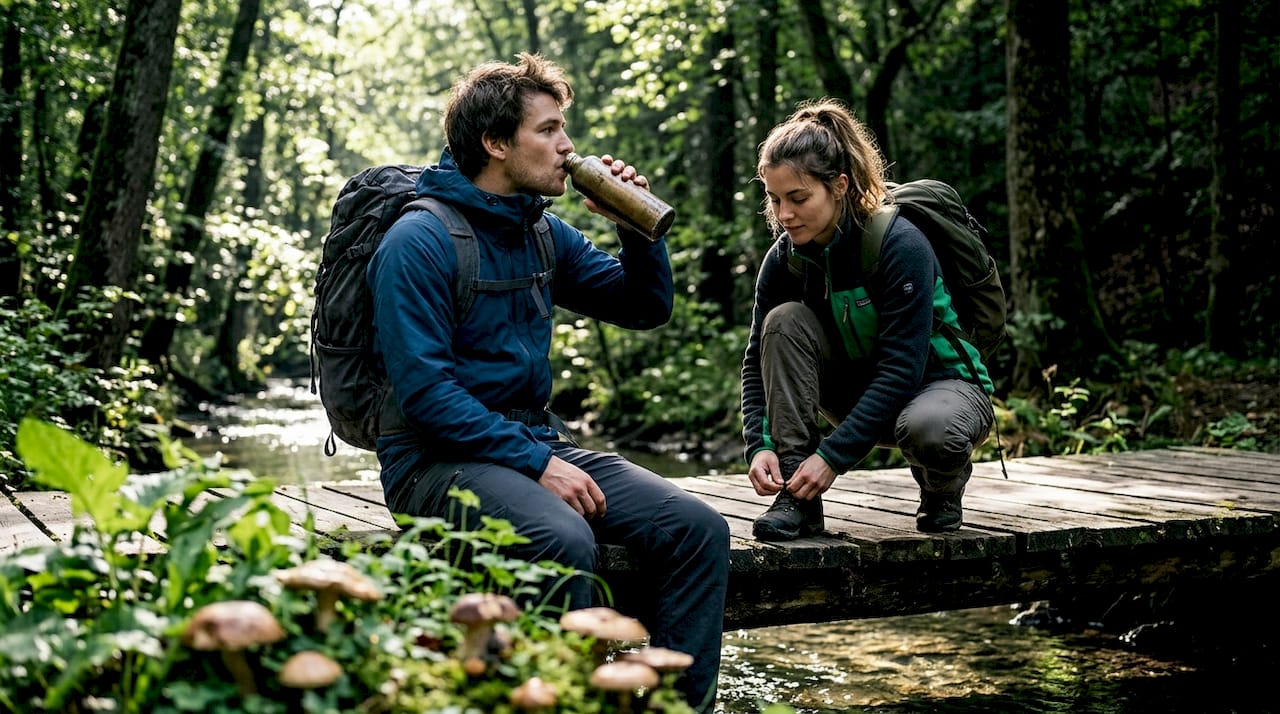
The most reliable method for how to capture outdoor authenticity is the directed candid approach. Directed candids use gentle prompts rather than rigid poses to trigger genuine movement and emotion. Instead of telling a subject where to stand and how to look, you give them something to do. Walk toward the ridge. Check your gear. Look back at where you came from. The camera records what happens naturally.
Here is what this looks like in practice:
- Use conversational prompts instead of poses. Asking a subject to describe what they see on the horizon produces a real expression. Telling them to smile does not.
- Build storytelling sequences. Planning sessions as preparation, journey, and climax shots creates narrative cohesion that single hero images cannot achieve. The preparation shot, the mid-effort moment, and the summit view together tell a story no single frame can.
- Prioritize natural light and real environments. Artificial setups break the relationship between subject and environment that defines authentic imagery. Shoot in the conditions that actually exist.
- Avoid over-directing. The more you control, the less authentic the result. Your job is to create conditions for real moments, then be ready when they happen.
- Stay longer than you think you need to. The best authentic moments often come after subjects stop performing for the camera. Patience is a technical skill in outdoor photography.
Pro Tip: Ambient sound during video capture is one of the strongest authenticity signals available. Wind, footsteps on scree, labored breathing. These details tell viewers the environment was real before they consciously process the image itself.
Authentic vs. synthetic outdoor imagery at a glance
Understanding the contrast between real and AI-generated outdoor content helps photographers and marketers evaluate what they are working with and why it matters.
| Criteria | Authentic outdoor imagery | AI-generated or staged imagery |
|---|---|---|
| Human authorship | Yes, photographer present | No human witness required |
| Real light and environment | Specific, unrepeatable conditions | Simulated or artificially controlled |
| Traceable origin | Camera metadata, C2PA credentials | No verifiable origin chain |
| Emotional truth | Captured from real experience | Constructed from pattern data |
| Legal licensing clarity | Clear, photographer-owned | Often ambiguous or contested |
| Audience trust signal | High, especially with credentials | Declining as detection improves |
| Use in brand campaigns | Preferred for credibility | Risk of audience backlash |
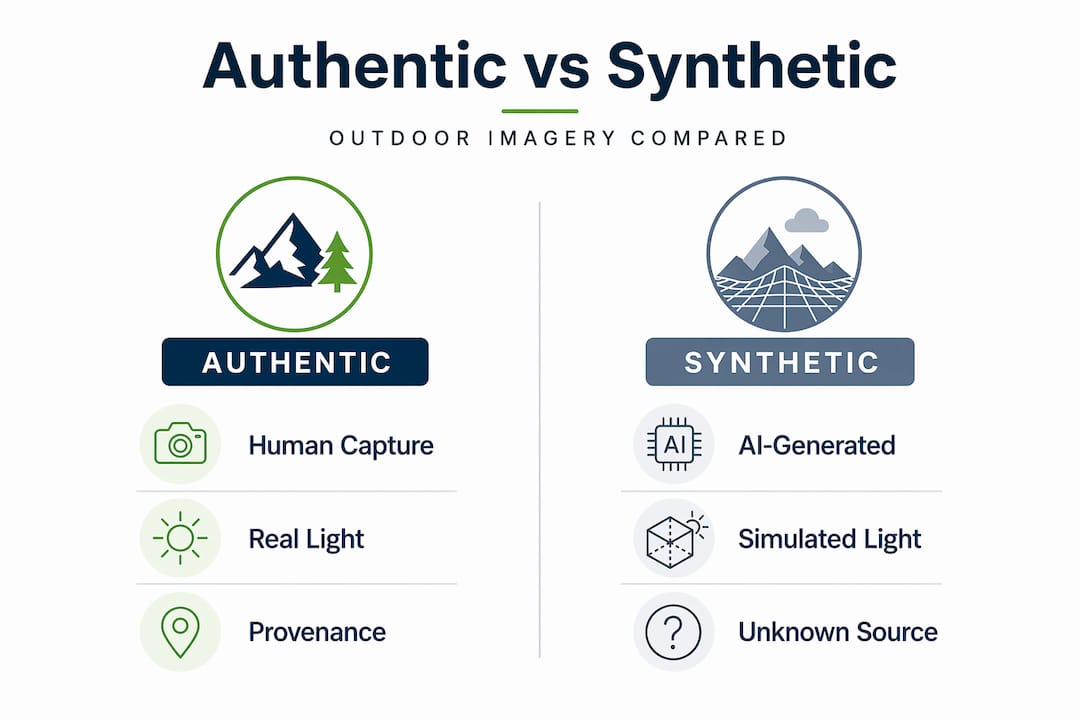
The aesthetic gap between authentic and synthetic imagery is narrowing rapidly. The ethical and legal gap is not. Brands using AI-generated outdoor visuals without disclosure face growing audience backlash and, in some markets, regulatory scrutiny. Authentic imagery, by contrast, carries inherent credibility that compounds over time. For outdoor videography and photography projects where brand trust is the primary goal, the choice between real and synthetic is not a creative preference. It is a strategic one.
My take on authenticity in 2026
I have been shooting in mountains, on trails, and in conditions that most people would walk away from for a long time now. What I have learned is that the photographers who will thrive in this market are not the ones with the best gear or the fastest editing workflow. They are the ones who understand that being present is the work.
AI has done something useful for this industry. It has forced a real conversation about what photographs actually do that generated images cannot. When I am on a ridge in the Swiss Alps waiting for a mountain biker to hit a specific line in specific light, I am not just capturing a technical moment. I am recording that it happened. That the rider was there, that the mountain was there, that the light existed at that exact angle on that exact morning. No model trained on existing images can produce that. It can produce something that looks similar. It cannot produce evidence.
What concerns me is the photographers who respond to this by trying to make their authentic work look more like AI output. Cleaner, more symmetrical, more perfectly lit. That is the wrong direction entirely. The role of a photojournalist in outdoor storytelling has always been to witness and record, not to manufacture. That role is more valuable now than it has ever been.
The practical advice I give photographers is this: invest in your people skills as seriously as you invest in your lenses. Learning to read a subject, to create conditions for genuine emotion, to wait without forcing. These are the skills that separate authentic outdoor imagery from everything else on the market.
— Martin
Take your outdoor imagery to the next level
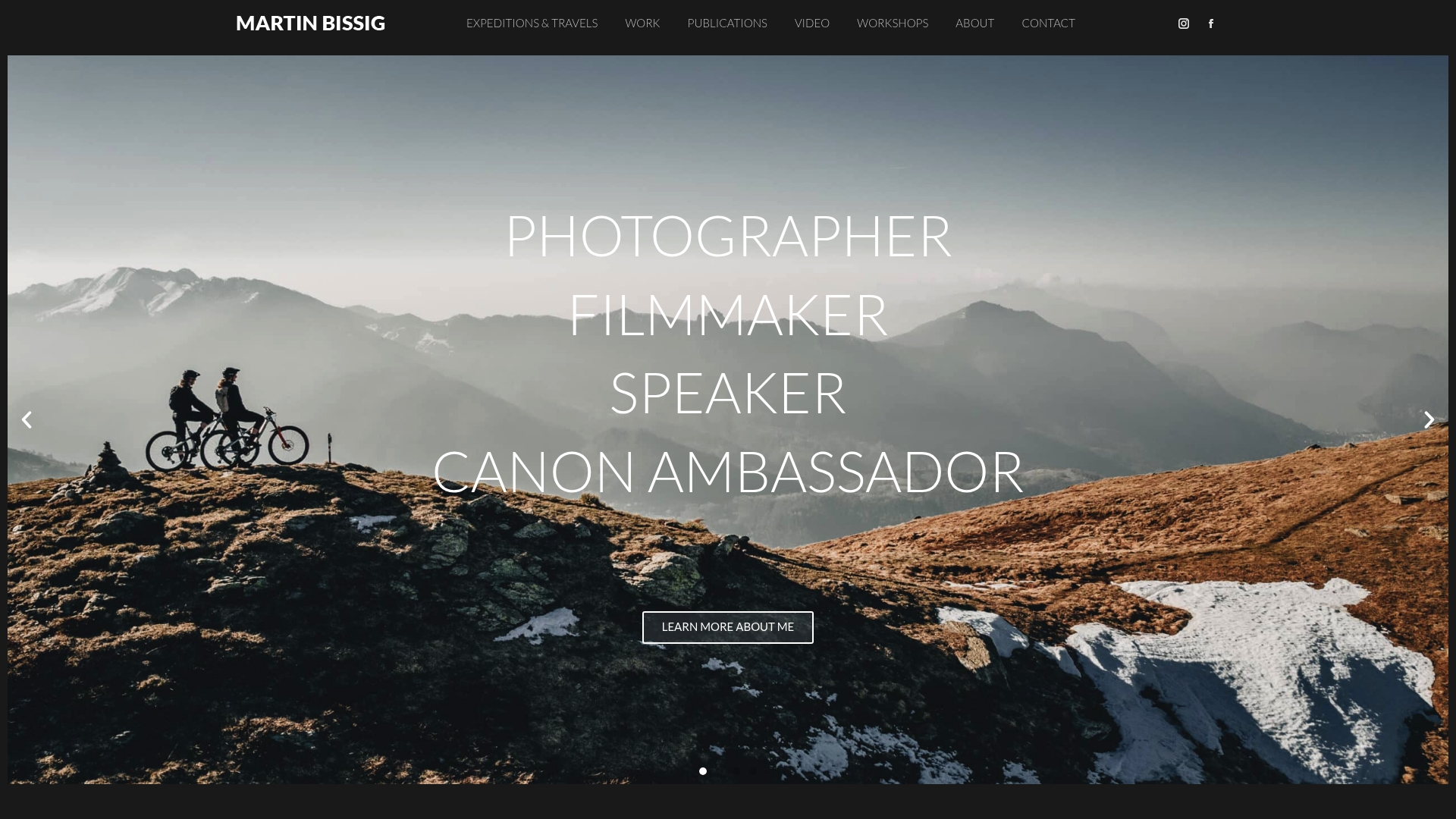
If this guide has clarified what authentic outdoor imagery requires, the logical next step is seeing these principles applied in real shoots. Bissig’s work spans commercial outdoor campaigns, editorial adventure photography, and action sports filmmaking across locations from the Swiss Alps to Pakistan and California. Every project is built on the same foundation: human presence, real conditions, and genuine moments.
For photographers looking to sharpen their technical and storytelling skills, the action photography techniques guide covers everything from gear selection to directing subjects in dynamic outdoor environments. Brands and marketers seeking a photographer who understands both the creative and commercial dimensions of authentic outdoor work can explore Martin Bissig’s services directly. The difference between imagery that builds trust and imagery that just looks good starts with who captures it and how.
FAQ
What defines authentic outdoor imagery?
Authentic outdoor imagery meets seven criteria: real human authorship, real moments, real light, traceable origin, truthful context, clear licensing, and respect for subjects. All seven must be present for an image to qualify as genuinely authentic.
Can AI-generated outdoor images ever be considered authentic?
No. AI-generated images lack human authorship, traceable origin, and real environmental conditions. They may look convincing, but they do not meet the core criteria that define authentic outdoor photography.
What is C2PA and why does it matter for photographers?
C2PA is a cryptographic standard that signs images at the point of capture and logs subsequent edits, creating a verifiable provenance record. Over 500 million images have been published with these credentials, and adoption is growing across major camera brands and platforms.
How do directed candids improve outdoor authenticity?
Directed candids use conversational prompts and activity-based instructions rather than rigid poses, which triggers genuine movement and natural emotion. The result is imagery that captures real experience rather than a performance of it.
Does a missing C2PA manifest mean an image is fake?
Not at all. Absence of a manifest simply means the image was captured or processed outside a C2PA-enabled workflow. Many authentic images from professional photographers currently carry no credentials because the standard is still being adopted across the industry.


