

Filmmaking investment is defined as the allocation of capital into film production with the dual goal of generating financial returns and building lasting brand equity. For business owners and entrepreneurs, understanding why invest in filmmaking goes beyond box office speculation. Film projects function as structured alternative assets with 15–25% IRR potential for successful projects, while simultaneously giving brands a storytelling vehicle that no banner ad or social post can replicate. The industry is also shifting fast. Modern film financing increasingly favors IP ecosystem models over single-film bets, which means the opportunity for sustained audience engagement has never been more accessible to brand-minded investors.
What are the financial benefits of investing in filmmaking?
Film investment sits in the alternative asset category alongside private equity and real estate. That placement matters because independent film investments show low correlation to traditional markets. During the 2008 S&P 500 downturn, film returns remained relatively stable because audience appetite and distribution drive film revenue, not macroeconomic cycles. That makes film a genuine diversifier, not just a passion play.
The financial structure of a film investment is more disciplined than most entrepreneurs expect. Experienced investors treat film as a capital market instrument with repayment waterfalls, underwritten budgets, and validated distribution paths. Each of those elements reduces risk in a measurable way. The capital stack determines who gets paid first, how much upside participation you hold, and what your realistic return timeline looks like.

Government incentives add another layer of financial logic. Many jurisdictions offer tax credits or rebates ranging from 25% to 35% on local production spending. That range can meaningfully reduce your net capital at risk before a single frame is shot.
Key financial characteristics of film investment:
- IRR range: Successful projects historically target 15–25% returns, with investment periods of 3–7 years.
- Portfolio allocation: Film typically represents 2–5% of a diversified alternative portfolio.
- Tax incentives: Credits of 25–35% on qualifying local spend reduce effective capital exposure.
- Market correlation: Returns driven by audience demand, not stock market cycles.
| Financial factor | What it means for you |
|---|---|
| IRR potential | Strong upside on successful projects relative to public market alternatives |
| Portfolio allocation | Small position size limits downside while adding diversification |
| Tax credits | Reduces net capital at risk before production begins |
| Capital stack position | Determines repayment priority and upside participation |
| Investment period | 3–7 years requires patient capital, not short-term liquidity |
Pro Tip: Before committing capital, ask the producer for a full capital stack breakdown. Your position in the repayment waterfall is the single most important number in the deal.
How does filmmaking amplify brand storytelling?
Brand storytelling through film works because it creates emotional memory, not just awareness. A 30-second ad tells viewers what you sell. A well-produced short film shows them who you are and why it matters. That distinction drives loyalty at a depth that performance marketing cannot reach.
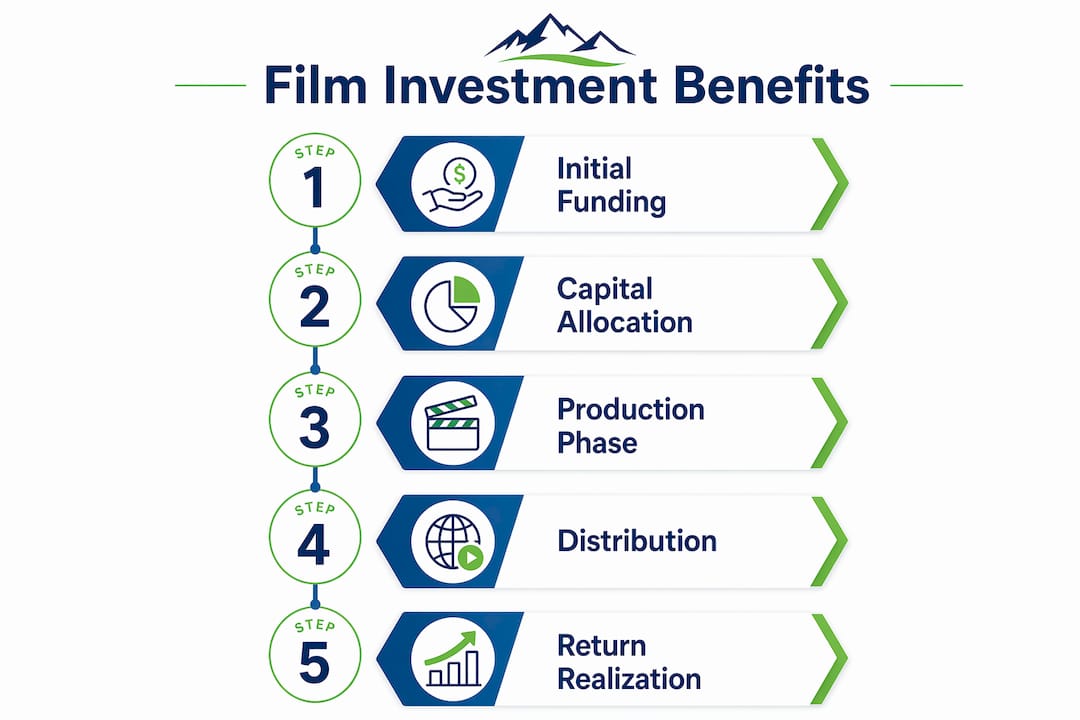
The most forward-thinking brands are no longer funding one-off films. They are building what the industry now calls content-audience-fit, a concept that prioritizes sustained engagement over momentary reach. Investors who target audience resonance over release-week metrics build brand assets that compound over time. A film that earns a loyal following generates marketing value for years after its release date.
For outdoor and action brands specifically, professional filmmaking carries an outsized advantage. Audiences in the adventure sports space are visually sophisticated. They recognize the difference between authentic, high-quality footage and content that was produced on a tight budget with a smartphone. Brands that invest in professional outdoor videography signal quality before a single product is reviewed.
The shift toward IP ecosystems reinforces this point. Modern film financing increasingly favors companies that build continuous audience relationships and layered monetization across formats, from short films to series to branded content. That model aligns perfectly with how the strongest outdoor and lifestyle brands already operate.
Benefits of filmmaking for brand engagement:
- Builds emotional connection that product photography alone cannot achieve.
- Creates reusable content assets across social, web, and event channels.
- Positions your brand as a credible voice in your category.
- Supports long-term audience loyalty rather than one-time conversions.
Pro Tip: Commission a short brand film before a product launch. The footage becomes a content library, not just a single deliverable. You will use clips across channels for months.
What risks should investors consider when funding film projects?
Most individual film projects lose money. That is the baseline reality every entrepreneur needs to accept before writing a check. Film returns are highly variable, and the factors that determine success, including distribution reach, audience timing, and critical reception, are difficult to predict with certainty.
The most common mistake investors make is failing to analyze the capital stack before committing. If your position sits below senior debt and tax credit recapture in the repayment waterfall, your upside is real but your downside protection is thin. Understanding where you sit structurally is not optional. It is the foundation of every sound film investment decision.
Tax incentives deserve particular caution. Tax incentives should not drive investment decisions on their own. A project with weak market viability does not become a good investment because it qualifies for a 30% production rebate. That logic, sometimes called “the tax tail wagging the dog,” has cost investors significant capital. Always evaluate market viability first, then factor in incentives as a secondary benefit.
Risk factors to evaluate before investing:
- Distribution contracts: Confirmed distribution reduces the single largest variable in return projections.
- Third-party budget validation: An independently reviewed budget signals production discipline.
- Capital stack position: Senior positions carry lower risk and lower upside; junior positions reverse that equation.
- Market ceiling: Every film has a realistic revenue ceiling based on genre, cast, and platform. Know it before you invest.
For deeper context on how experienced practitioners think about film investment structure, Quentin Tarantino’s Cinema Speculation offers a practitioner’s lens on what separates disciplined film thinking from pure creative enthusiasm.
Pro Tip: Request third-party budget validation and a signed distribution letter of intent before finalizing any film investment. Both documents signal that the project has cleared basic market viability tests.
How can business owners practically approach investing in filmmaking?
Approaching film investment with a brand lens changes the evaluation criteria. You are not just asking whether this film will make money. You are asking whether this film will build the audience your brand needs. Those two questions often point toward the same answer, but framing it from the brand side keeps your priorities clear.
A practical approach follows these steps:
- Define your brand storytelling goal first. Identify the audience you want to reach and the emotional story you want to tell. Film investment without a clear brand narrative is just speculation.
- Evaluate the capital stack before the script. Review the repayment waterfall, senior debt obligations, and tax credit recapture terms. Your financial exposure depends on structure, not story.
- Partner with a professional filmmaker who knows your category. A filmmaker with experience in outdoor, action, or adventure content understands your audience’s visual expectations. Bissig’s work across mountain biking, expedition, and action sports demonstrates what category-specific expertise looks like in practice. Reviewing a filmmaking guide for outdoor brands before your first production meeting will sharpen your brief considerably.
- Confirm distribution before committing capital. A film without a distribution path is a creative project, not an investment. Signed agreements with platforms or distributors are non-negotiable.
- Plan your content repurposing strategy in advance. The footage from a brand film has value beyond the film itself. Clips, behind-the-scenes content, and stills extend the marketing life of your investment across every channel you operate.
- Consult a tax professional on jurisdiction-specific incentives. Incentives vary widely by region and production structure. A qualified advisor will tell you what applies to your deal, not what applies to the industry in general.
The brands that get the most from film investment treat it as a media strategy, not a one-time production expense. That mindset shift is what separates entrepreneurs who build lasting audience assets from those who fund a single project and move on.
Key Takeaways
Film investment delivers the strongest results when entrepreneurs treat it as a structured capital decision and a long-term brand asset, not a creative gamble.
| Point | Details |
|---|---|
| Financial returns are real but variable | Target projects with validated distribution and clear capital stack positions for the best risk-adjusted outcomes. |
| Tax incentives reduce risk, not replace analysis | Credits of 25–35% lower net exposure but never substitute for evaluating a project’s market viability. |
| Brand storytelling is a compounding asset | Films that build audience loyalty generate marketing value for years beyond their release date. |
| Capital stack position is foundational | Your repayment priority determines your actual risk and upside, not the film’s creative quality. |
| Partner with category specialists | Filmmakers with proven outdoor and action experience understand your audience’s visual standards from day one. |
Why I believe filmmaking is the most underused brand asset in outdoor business
I have spent years filming in environments where the margin between a compelling shot and a forgettable one comes down to preparation, trust, and knowing your subject. What I have observed working with outdoor and adventure brands is that the ones who invest seriously in film do not just get better content. They build a different kind of relationship with their audience.
The brands that treat filmmaking as a line item produce content that looks like an afterthought. The brands that treat it as an investment produce films that people share, reference, and remember. That difference shows up in customer loyalty data, in social reach, and eventually in revenue. It is not abstract.
What I find most interesting about the current moment is that the financial case and the brand case are converging. IP ecosystem models mean that a well-produced outdoor film can generate returns across streaming, licensing, and branded content simultaneously. That is not a creative luxury. That is a media business model that outdoor brands are uniquely positioned to execute.
My honest advice: do not fund a film because it sounds exciting. Fund it because you have a clear audience, a distribution plan, and a filmmaker who understands both. The advantages of professional filmmakers for brand growth are well documented. The brands that act on that knowledge early build audiences that are very hard for competitors to replicate.
— Martin
Bissig’s filmmaking expertise for outdoor brands
Bissig brings over a decade of professional filmmaking experience in outdoor, action, and adventure sports to every production. As a Canon ambassador and specialist in mountain biking, expedition, and dynamic action content, Bissig understands the visual language that outdoor audiences respond to.
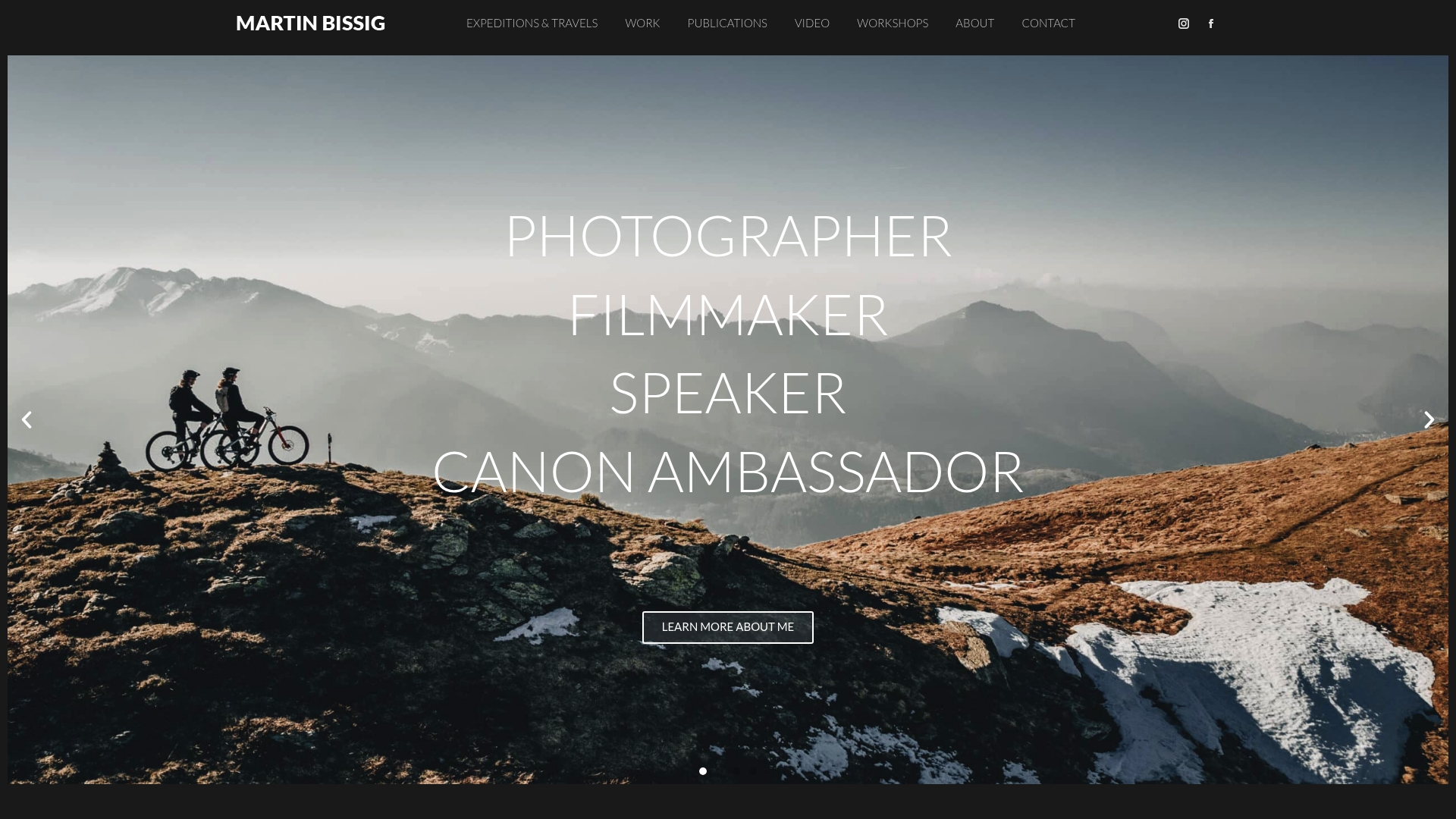
For business owners ready to put filmmaking investment to work, Bissig’s outdoor marketing videography services translate brand strategy into footage that performs across every channel. Whether you are planning your first brand film or building a content ecosystem, the action sports videography work Bissig produces gives your brand the visual authority your audience expects.
FAQ
What is the typical return on a film investment?
Successful film projects target 15–25% IRR, with investment periods of 3–7 years. Returns vary significantly based on distribution reach, capital stack position, and audience reception.
How do tax incentives work in film investing?
Many jurisdictions offer production tax credits of 25–35% on qualifying local spend. These reduce your net capital at risk but should never be the primary reason to fund a project.
Why is the capital stack so important for film investors?
Your position in the capital stack determines your repayment priority and upside participation. Senior positions carry lower risk and lower returns; junior positions offer higher upside with greater exposure.
How does filmmaking benefit brand storytelling specifically?
Film builds emotional memory that product advertising cannot replicate. Brands that invest in content-audience-fit strategies create loyal audiences that sustain engagement long after a film’s release.
What should a business owner check before funding a film?
Confirm a signed distribution agreement, request third-party budget validation, and review the full capital stack before committing. Market viability must be established before any financial incentives are factored into your decision.


