

Collaborating with filmmakers is defined as a strategic partnership where brands and organizations work with professional film creatives to produce visual content that serves marketing, storytelling, and business goals. This approach has moved well beyond occasional video ads. Brands have shifted budgets away from traditional TV advertising toward co-funding or fully funding original entertainment content, driven by consumer demand for authentic storytelling. Saint Laurent formalized this shift in 2023 by establishing Saint Laurent Productions, a dedicated department managing brand-filmmaker collaborations. Understanding why collaborate with filmmakers matters starts with recognizing that filmmakers bring narrative craft, not just camera skills, to your brand’s message.
How do filmmakers enhance brand storytelling and marketing effectiveness?
Filmmakers are expert storytellers first, and production technicians second. That distinction changes everything about what they deliver to a brand. A marketing team can write a product brief, but a skilled filmmaker translates that brief into a visual experience that creates emotional memory. Emotional memory drives purchase decisions far more reliably than product specifications do.
Authentic visual storytelling changes how consumers perceive a brand. When a film feels real rather than produced, audiences lower their defenses and engage with the message. This is why brand-filmmaker partnerships consistently outperform traditional advertising formats in audience retention and social sharing. The craft of pacing, light, sound design, and character arc all serve the brand’s message without the audience feeling sold to.
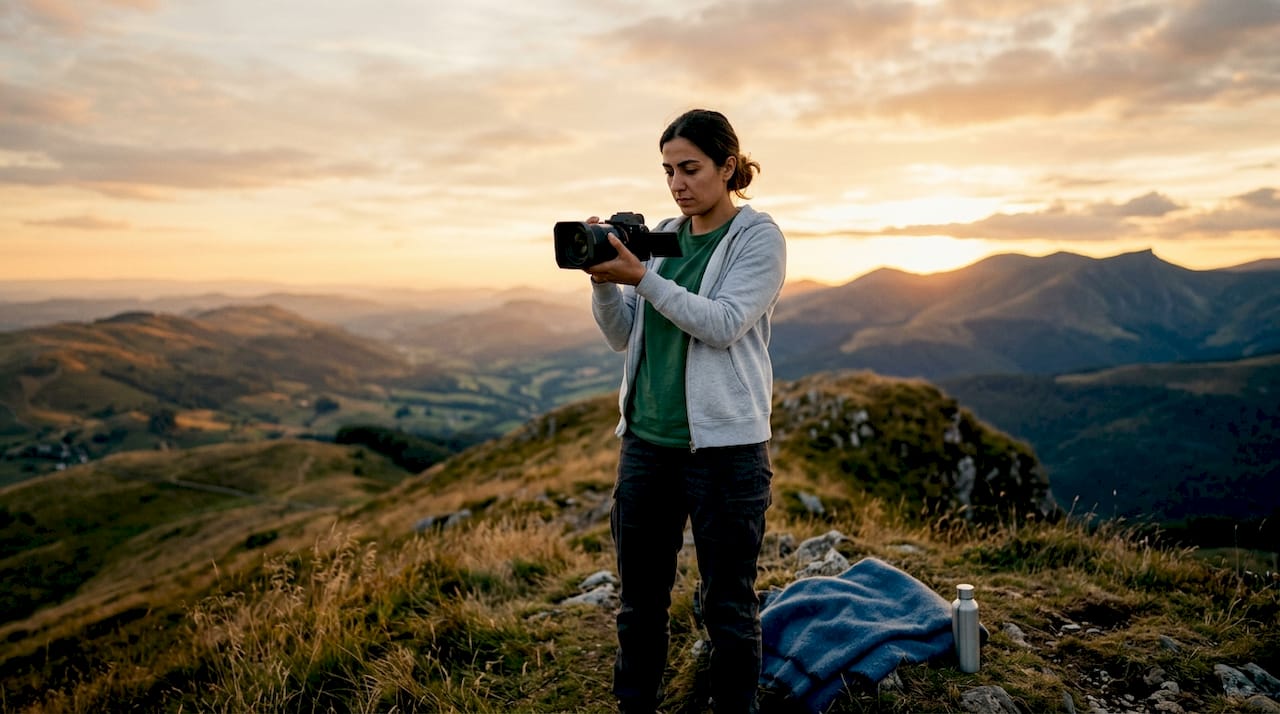
The industry shift away from conventional advertising confirms this. Brands that invest in original content co-funding are not chasing a trend. They are responding to a measurable change in consumer behavior. Saint Laurent Productions is the clearest institutional example, but the pattern repeats across outdoor, lifestyle, and consumer goods sectors.
Key advantages filmmakers bring to brand storytelling include:
- Narrative structure: Filmmakers build stories with a beginning, conflict, and resolution. That arc keeps viewers watching and remembering.
- Emotional authenticity: Skilled directors know how to capture genuine human moments, not staged performances.
- Visual consistency: A filmmaker maintains a coherent visual language across a project, which strengthens brand recognition.
- Cross-platform adaptability: A well-produced film can be cut into social clips, trailers, and long-form content without losing quality.
- Audience empathy: Filmmakers research and understand the audience before they shoot a single frame.
Pro Tip: Brief your filmmaker on the emotional response you want the audience to feel, not just the product features you want shown. Filmmakers work from feeling outward, not from spec sheets inward.
What are the broader business benefits of film collaboration beyond marketing?
The advantages of film collaboration extend well past a brand’s marketing department. Regional businesses and organizations gain measurable economic and reputational value from working with film professionals, often without changing their core operations. The Valais Film Commission in Switzerland has demonstrated this through regional initiatives that connect local businesses with film productions, generating destination branding benefits and increased visitor return rates.
Destination branding is one of the most underused applications of film collaboration. When a film or branded content piece is set in a specific location, that location becomes part of the story. Viewers associate the landscape, culture, and atmosphere with the brand or destination. This effect compounds over time as content circulates across platforms.
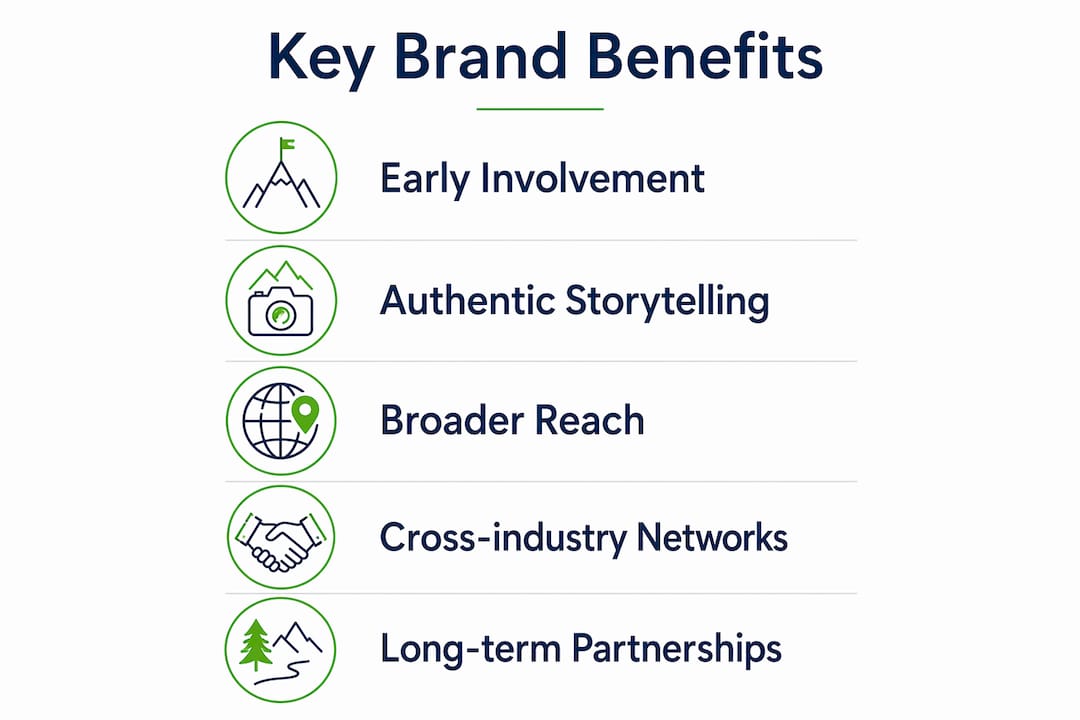
Local businesses gain visibility through association with film productions without needing to produce content themselves. A hotel, outdoor gear retailer, or adventure tour operator featured in a brand film reaches audiences that traditional local advertising never touches. The regional branding impact of these collaborations creates lasting economic benefits across entire communities.
| Collaboration type | Primary benefit | Business impact |
|---|---|---|
| Destination film partnership | Location visibility | Increased visitor return rates |
| Brand-funded original content | Audience engagement | Higher brand recall and loyalty |
| Regional film commission program | Local business exposure | Cross-industry economic growth |
| Long-term filmmaker retainer | Visual consistency | Stronger brand identity over time |
Cross-industry collaboration also creates networks that outlast any single project. A brand that partners with a filmmaker gains access to that filmmaker’s network of sound designers, editors, musicians, and location scouts. Those relationships become assets for future projects.
What practical considerations should brands know before partnering with filmmakers?
Early brand involvement in the creative process is not optional. It is the single most important structural decision a brand makes when entering a film collaboration. Aligning on brand truth before creative development begins saves time, budget, and prevents the costly misdirection that derails productions mid-shoot. Agencies and filmmakers that ask hard questions and challenge briefs consistently deliver better results than those who simply execute instructions.
Evaluating a potential collaborator requires looking past charisma and a strong portfolio. The most reliable collaborators communicate directly, take ownership of problems, and finish what they start. Unreliable collaborators cause delays and derail projects even when their initial ideas are inspiring. The “almost-good” collaborator is the most damaging type: inconsistent communication and delivery creates more long-term harm than an outright poor fit.
Practical steps for forming an effective brand-filmmaker partnership:
- Define the brand’s core truth first. Before any creative brief is written, the brand must articulate what it genuinely stands for. This is not a tagline exercise. It is a strategic alignment conversation.
- Evaluate reliability, not just creativity. Review past projects for completion rate, client feedback, and communication patterns. Ask for references from previous brand collaborators specifically.
- Involve the filmmaker early. Bring the filmmaker into strategy discussions before production planning begins. Early creative input prevents expensive course corrections later.
- Clarify roles and financial expectations upfront. Ambiguity around budget, ownership, and decision-making authority is the most common source of conflict in brand-filmmaker partnerships.
- Build in structured review points. Agree on specific milestones where the brand reviews creative direction. This prevents surprises at delivery and keeps both parties aligned.
- Prioritize end-to-end creative ownership. Fragmented suppliers increase the risk of visual inconsistency and strategic incoherence. A filmmaker who controls strategy, direction, production, and post-production delivers more coherent results.
Pro Tip: Ask any filmmaker candidate how they handled a project that went off-brief. Their answer reveals more about reliability and communication than their best work does.
How can brands and filmmakers build and sustain successful long-term collaborations?
Trust is the foundation of every multi-year brand-filmmaker relationship. Brands and filmmakers must abandon defensive postures and approach collaboration with openness. Brands that treat filmmakers as vendors rather than creative partners consistently get transactional results. Filmmakers who treat brands as constraints rather than collaborators produce work that misses the marketing objective.
Clear communication and transparent financial management sustain partnerships through the inevitable friction of creative work. A filmmaker who understands the brand’s budget pressures makes better creative decisions. A brand that understands a filmmaker’s production realities sets more realistic expectations. This mutual literacy is built over time, which is why long-term partnerships outperform one-off commissions.
Multidisciplinary creative teams accelerate innovation. Pairing filmmakers with specialists like sound designers, musicians, or motion graphics artists produces results that exceed what any single contributor could achieve. Brands that invest in building these team structures rather than hiring individual freelancers gain a repeatable creative system. That system becomes a competitive asset.
Structured programs and mentorship models offer a proven framework for building these relationships. Film Independent’s Project Involve fellowship, whose 33rd cohort launched in january 2026, pairs emerging filmmakers with industry mentors to develop high-level networks and projects. Brands can apply the same logic by pairing internal marketing teams with filmmaker partners in structured, multi-project agreements rather than single-use contracts.
Building a creative network that sustains collaboration requires intentional sourcing, clear agreements, repeatable workflows, and a culture that values generosity and learning. Brands that invest in this infrastructure treat filmmaker collaboration as a system, not a one-off task. That shift in mindset is what separates brands with consistent visual identity from those that produce scattered, forgettable content.
The video production process for long-term partnerships also benefits from documented workflows. When both parties know the steps, the decision points, and the approval process, creative energy goes into the work rather than into managing confusion.
Key Takeaways
Brands that treat filmmaker collaboration as a creative system rather than a one-off project build stronger visual identities, deeper audience trust, and more durable marketing assets over time.
| Point | Details |
|---|---|
| Filmmakers are storytellers first | They translate brand briefs into emotional experiences that drive audience memory and loyalty. |
| Early brand involvement is critical | Aligning on brand truth before production begins prevents costly misdirection and budget waste. |
| Reliability outweighs raw creativity | Choose collaborators who communicate directly, take ownership, and finish projects consistently. |
| Film collaboration extends beyond marketing | Regional branding, destination visibility, and cross-industry networks all grow through film partnerships. |
| Long-term partnerships outperform one-off commissions | Trust, transparent financials, and repeatable workflows compound creative value over multiple projects. |
What I’ve learned about choosing the right filmmaker partner
The biggest mistake I see brands make is treating a filmmaker like a production vendor. You hand over a brief, you expect delivery, and you’re surprised when the result feels generic. That’s not a filmmaker problem. That’s a collaboration problem.
The brands that get the most from working with film professionals are the ones who show up to the first meeting without all the answers. They bring their brand’s truth, their audience’s reality, and an honest question: “How do we tell this story in a way that actually lands?” That openness is what unlocks a filmmaker’s best work.
Reliability is the quality I value most in a collaborator. Creative vision is common. The ability to solve a problem at 6:00 AM on a mountain in difficult conditions, communicate clearly under pressure, and deliver a finished product on time is rare. I’ve seen projects derailed by people with extraordinary reels who couldn’t manage a schedule or a conversation. The “almost-good” collaborator is the most expensive mistake a brand can make.
The brands I respect most treat collaboration as a long-term investment. They build relationships, not transactions. They understand that the second and third projects with the same filmmaker are always better than the first, because trust has been earned and the creative shorthand has been developed. That compounding return is the real reason to commit to outdoor brand visual workflows that support ongoing partnerships rather than one-off productions.
— Martin
Bissig: visual storytelling for brands that want more
Brands that understand the value of filmmaker collaboration need a partner who has operated at the intersection of outdoor adventure, commercial production, and authentic storytelling for years.
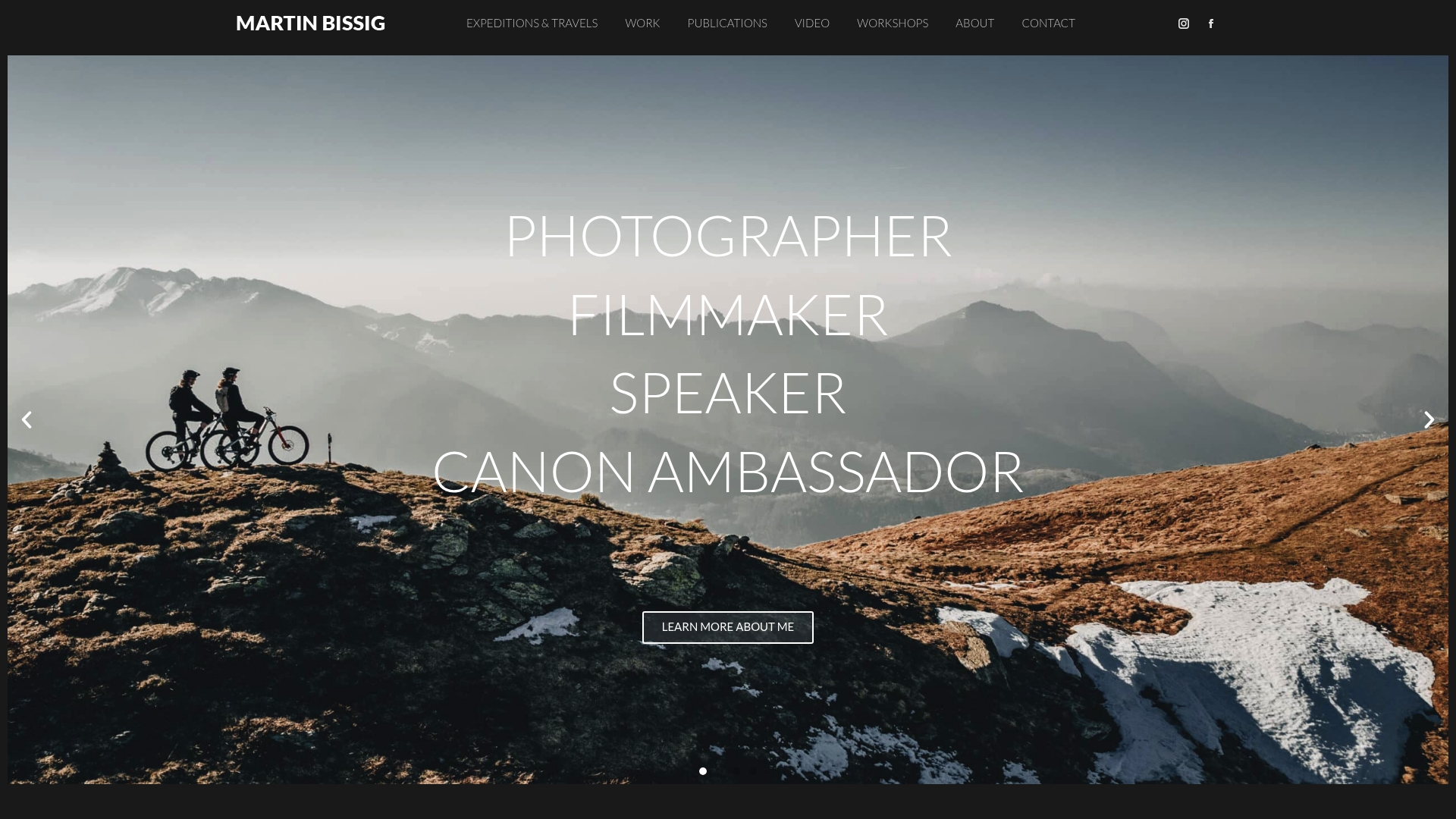
Bissig brings that experience to every project, from action sports videography in demanding mountain environments to structured brand film productions for commercial clients. The work is grounded in the same principles this article covers: early creative alignment, reliable execution, and a long-term view of what a brand’s visual identity should achieve. For brands ready to move from brief to production with a filmmaker who asks the hard questions first, the filmmaking guide for outdoor brands is the right starting point.
FAQ
Why collaborate with filmmakers instead of using in-house video teams?
Filmmakers bring narrative craft, multidisciplinary networks, and production experience that most in-house teams cannot replicate. The emotional authenticity and visual consistency they deliver consistently outperform content produced without dedicated storytelling expertise.
What is the most important factor when choosing a filmmaker to partner with?
Reliability is more critical than creative talent alone. A collaborator who communicates directly, takes ownership of problems, and finishes projects consistently delivers more value than a highly creative but unreliable individual.
How early should a brand involve a filmmaker in the creative process?
Brands should involve filmmakers before the production brief is finalized. Early creative input aligns the film with the brand’s core truth and prevents expensive course corrections during production.
Can small or regional brands benefit from film collaboration?
Regional businesses gain destination branding benefits and visitor return rate improvements through film partnerships, as demonstrated by Valais Film Commission initiatives, without needing to change their core operations.
What makes a brand-filmmaker partnership last beyond a single project?
Long-term partnerships are built on mutual trust, transparent financial management, and repeatable workflows. Brands and filmmakers who invest in documentary-style storytelling and structured multi-project agreements consistently produce stronger results than those who work on a one-off basis.


