

Storytelling in adventure photography is the art of using sequenced images to convey a meaningful journey with emotional depth and narrative flow. The best adventure photographers know that a technically perfect shot rarely moves an audience the way an honest, raw moment does. The three-act narrative structure — beginning, middle, and end — gives your images a spine that single hero shots simply cannot provide. When you build a narrative arc across your frames, you stop making pictures and start making stories. Bissig’s work across Pakistan, California, and the Swiss Alps demonstrates exactly this shift: from capturing moments to constructing journeys.
What gear supports storytelling in adventure photography?
The right gear does not make you a storyteller, but the wrong gear will stop you from capturing the story as it unfolds. Versatile zoom lenses in the 24–70mm or 24–105mm range give you the flexibility to shift from sweeping environmental shots to tight emotional portraits without missing a beat. That range matters because adventure stories rarely wait for you to swap lenses on a windy ridge.
Manual camera settings are non-negotiable in unpredictable outdoor conditions. Auto modes average out the light and flatten the mood. When a storm rolls in or golden hour hits fast, manual control lets you protect the atmosphere that makes the story feel real.
Image stabilization and shutter speed work together to keep your frames sharp when your body is moving or exhausted. Incorrect shutter speed is the leading cause of blurry adventure photos. A blurry image cannot carry narrative weight, no matter how powerful the moment was.
Gear checklist for narrative shoots
- Versatile zoom lens: 24–70mm or 24–105mm covers wide context shots and intimate portraits
- Extra batteries and memory cards: Stories do not pause for gear failures
- Neutral density filters: Control exposure in bright alpine or coastal light without sacrificing shutter speed
- Weather-sealed body: Outdoor conditions are unpredictable; your camera needs to handle them
- Lightweight tripod or gorilla pod: Useful for low-light storytelling shots at camp or during rest moments
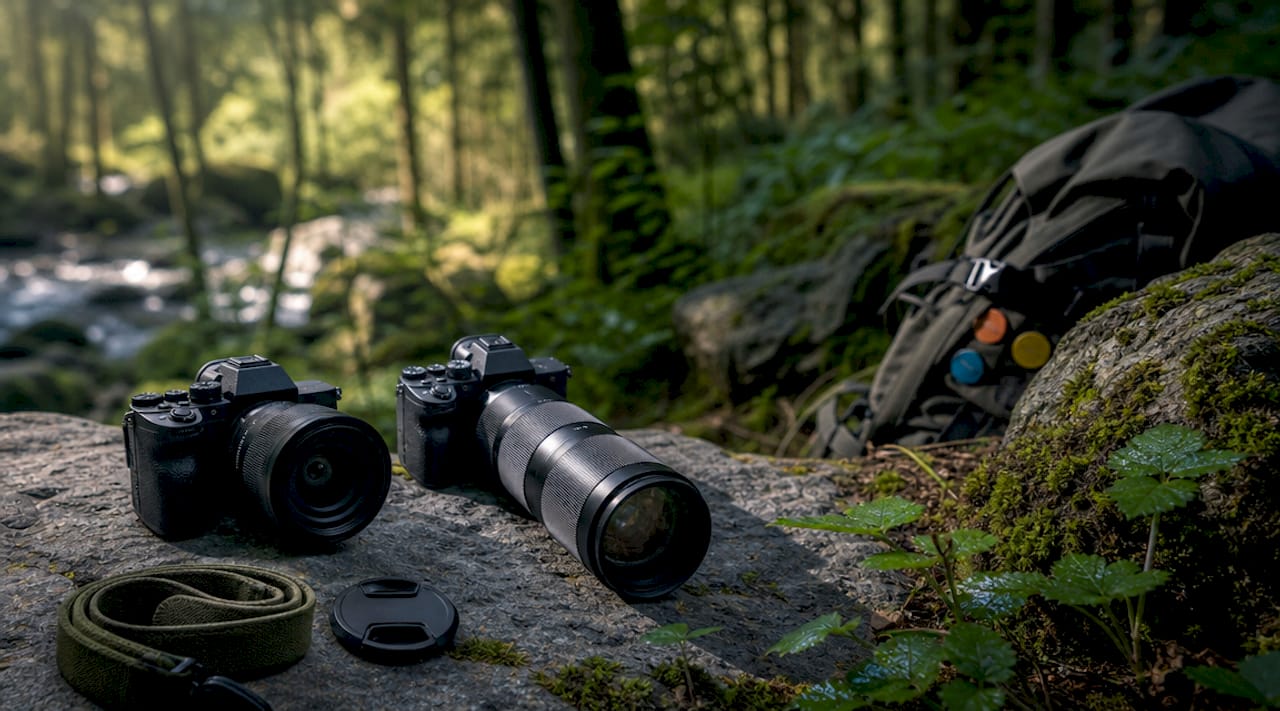
Pro Tip: Carry two camera bodies if possible. One set wide for context, one set tight for emotion. Switching between them mid-action is faster than changing lenses and means you never miss the decisive moment.
Which techniques build narrative in adventure photography?
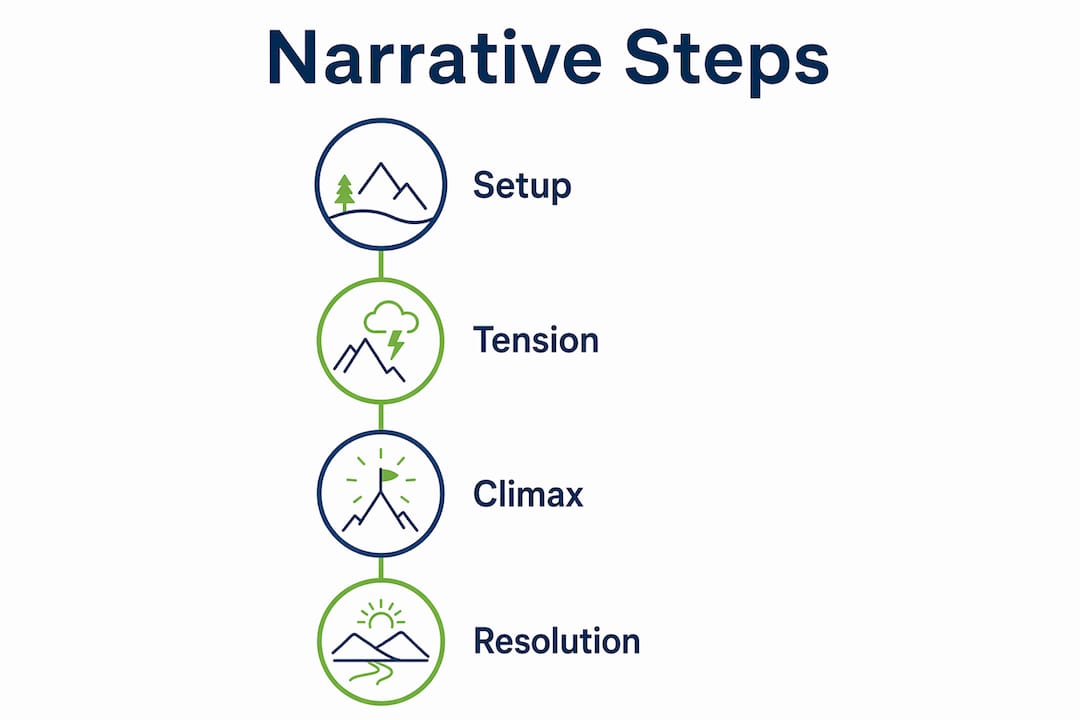
The three-act narrative structure applies directly to photo sequencing. Act one establishes the setting and the protagonist’s intent. Act two builds tension through the physical and emotional challenge. Act three delivers resolution, whether triumph, exhaustion, or quiet reflection. Photographers who plan their shoots around this arc produce series that feel complete rather than random.
Visual hierarchy is the second pillar of strong visual storytelling. Scale, contrast, and placement guide a viewer’s eye through the frame and sustain interest within 3–5 seconds of first contact. A tiny climber against a massive granite wall communicates scale and vulnerability simultaneously. That single compositional choice tells more story than a caption ever could.
Varying your focal length across a shoot creates rhythm and intimacy. Alternating wide, medium, and tight frames builds emotional connection more effectively than locking onto one focal length and chasing perfect shots. Wide frames establish the world. Medium frames place the subject in it. Tight frames reveal the human truth inside the adventure.
Color temperature, texture, and light quality add sensory layers that deepen the narrative. Cold blue tones in pre-dawn shots communicate anticipation. Warm amber at day’s end signals earned rest. These are not stylistic choices alone. They are storytelling tools that captivate audiences by triggering emotional associations before the viewer consciously processes the image.
Four composition moves that strengthen your story
- Establish the world first. Open with a wide shot that shows terrain, weather, and scale. This is your act one frame.
- Place your subject in conflict. A medium shot showing the athlete engaging with the environment builds tension. Sweat, grip, body language — all of it reads.
- Go tight for emotional truth. A close-up of a face, hands, or boots tells the story that the landscape cannot.
- Include the in-between. Mundane contextual details like packed gear, a map spread on a rock, or fog rolling through camp ground the viewer in the reality of the experience.
Pro Tip: Shoot the “boring” moments deliberately. The image of someone taping their fingers before a climb or staring at a route on a topo map often becomes the frame that makes the whole series feel real.
How do you plan and execute a story-driven adventure shoot?
Research your location for narrative potential, not just visual beauty. A stunning mountain is a backdrop. A mountain with a known route, a history of failed attempts, and a protagonist with a personal connection to it is a story. That distinction shapes every shot you take before you even arrive.
Prepare for environmental and lighting challenges by scouting at the same time of day you plan to shoot. Golden hour in the mountains moves fast and changes character within minutes. Knowing where the light falls and where shadows pool lets you position yourself for the frames that carry emotional weight.
Authentic, candid human moments outperform posed shots every time. Emotional truth — the exhaustion, the doubt, the sudden joy — defines storytelling photography. Posed images communicate what the subject wants you to see. Candid images communicate what actually happened. Audiences feel the difference immediately.
Patience is the skill that separates good photographers from great visual storytellers. Waiting for authentic moments rather than chasing epic shots produces the frames that carry the most narrative power. The moment between the summit push and the celebration, the quiet look shared between two climbers before a crux move — these are the images that stay with viewers. Bissig’s approach to outdoor storytelling reflects exactly this discipline: presence over pursuit.
Shoot preparation checklist
- Research the location’s narrative history and your subject’s personal connection to it
- Scout lighting conditions at the planned shoot time, not just midday
- Brief your subject on the story arc so they understand you need candid moments, not performance
- Identify three to five “in-between” moments you want to capture before the shoot starts
- Build buffer time into your schedule. Stories do not run on tight timelines
What are the most common storytelling mistakes in adventure photography?
Chasing technical perfection at the expense of authenticity is the most damaging mistake a photographer can make. A sharp, well-exposed image of a posed athlete tells no story. A slightly imperfect frame of genuine exhaustion at 4,000 meters tells everything. Technical quality matters, but it serves the story. The story does not serve the technical quality.
Ignoring visual hierarchy produces images that lose viewers fast. Without clear scale, contrast, or placement, the eye has nowhere to go. The viewer scans the frame, finds no anchor, and moves on. That is a story that never gets told.
Neglecting environmental and logistical context strips the narrative of its foundation. A hero shot without context is decoration. The contextual images that ground the viewer in the physical reality of the adventure are what make the hero shot meaningful when it arrives.
Overusing a single focal length creates visual monotony that kills pacing. Ignoring narrative pacing weakens the overall storytelling impact of a series. If every frame is wide, the story feels cold and distant. If every frame is tight, the viewer loses spatial orientation. Rhythm requires variety.
Pro Tip: After every shoot, edit your selects into a three-act sequence before you do any retouching. If the sequence does not hold together narratively, identify the missing act and go back to your contact sheet. You will often find the frame you overlooked.
Key Takeaways
Storytelling in adventure photography requires narrative structure, gear flexibility, compositional variety, and the patience to capture authentic emotional moments over technically perfect poses.
| Point | Details |
|---|---|
| Use the three-act structure | Sequence your images as beginning, middle, and end to create emotional progression. |
| Choose versatile gear | A 24–70mm or 24–105mm zoom lens adapts to both wide context and tight emotional shots. |
| Apply visual hierarchy | Use scale, contrast, and placement to guide viewer attention within the first 3–5 seconds. |
| Capture in-between moments | Mundane contextual details ground your story and make hero shots more powerful. |
| Prioritize patience over perfection | Waiting for authentic candid moments produces stronger narratives than chasing epic poses. |
What I have learned about emotional truth in adventure photography
The shift that changed my work most was not a new lens or a better camera. It was the decision to stop chasing the perfect shot and start documenting what was actually happening. On a mountain biking project in Graubünden, the frame that ended up on the client’s campaign was not the rider mid-air on a technical section. It was the moment just after, when he sat on a rock, helmet off, staring at the valley below. That image said everything the action shot could not.
Narrative storytelling has shaped my career in ways that pure technical skill never could. Clients and editors do not remember the sharpest image in a series. They remember the one that made them feel something. That feeling comes from structure, patience, and a willingness to let the story lead rather than forcing the shot you planned.
The photographers I respect most are the ones who understand that visual storytelling is a discipline, not a style. It requires you to think like a director before you pick up the camera. Who is the protagonist? What is the conflict? What does resolution look like? Answer those questions first, and the technical decisions follow naturally.
Presence is the hardest skill to teach and the most important one to develop. The moment you stop being a photographer chasing shots and start being a witness to someone’s experience, your images change completely.
— Martin
Bissig’s resources for adventure photographers
Photographers serious about building their storytelling skills need more than technique. They need to see how narrative thinking applies across real projects, real terrain, and real clients.
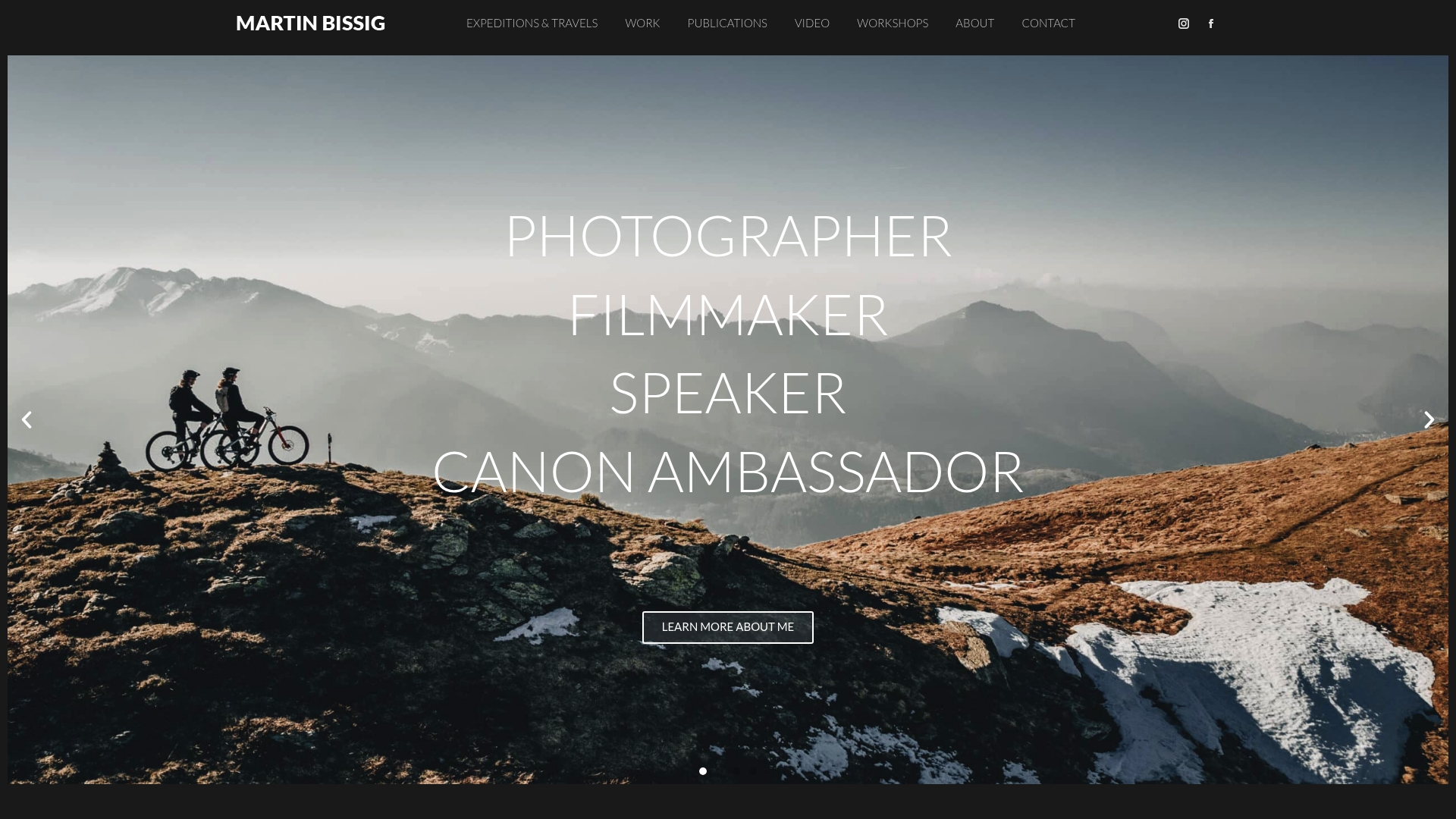
Bissig’s portfolio and guides cover the full range of outdoor photography styles and storytelling approaches, from mountain biking sequences in the Swiss Alps to expedition work in Ladakh and Pakistan. The adventure sports photography guide breaks down equipment choices and narrative tactics used in professional commercial and editorial shoots. Whether you are building your first photo essay or refining a client pitch, these resources give you a direct look at how professional visual storytelling works in practice.
FAQ
What is storytelling in adventure photography?
Storytelling in adventure photography is the practice of sequencing images to convey a narrative arc with emotional depth. It uses composition, pacing, and authentic moments to guide viewers through a subject’s experience rather than presenting isolated shots.
How does the three-act structure apply to photo series?
The three-act structure organizes images into a beginning that establishes context, a middle that builds tension, and an end that delivers resolution. This pacing creates emotional progression and keeps viewers engaged through the full series.
What focal length is best for adventure storytelling?
No single focal length tells the whole story. Alternating between wide, medium, and tight frames builds rhythm and intimacy, with a 24–70mm or 24–105mm zoom covering most narrative needs in a single lens.
Why do candid moments outperform posed shots in adventure photography?
Candid moments capture genuine emotional truth, including effort, doubt, and joy, that posed images cannot replicate. Audiences recognize authenticity instinctively, and that recognition is what creates lasting emotional impact.
How does visual hierarchy improve storytelling in photos?
Visual hierarchy uses scale, contrast, and placement to direct the viewer’s eye through the frame. Without it, viewers lose interest within seconds. With it, a single image can communicate scale, emotion, and narrative context simultaneously.


