

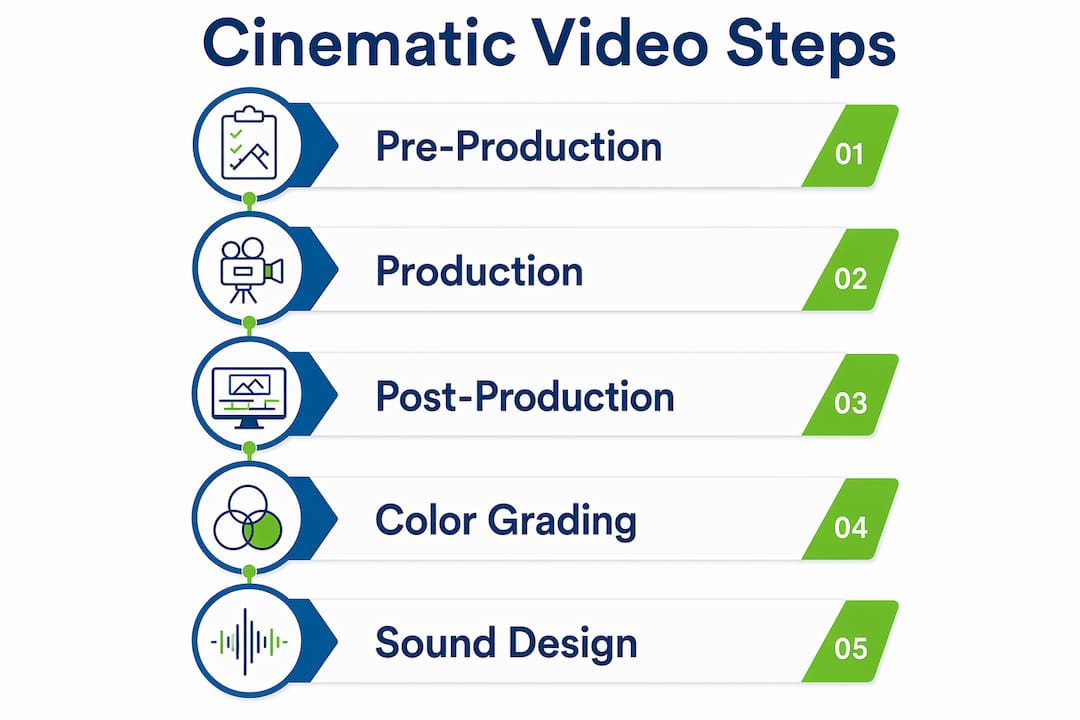
Cinematic video is defined as footage created through intentional filmmaking techniques designed to tell a story and evoke emotion, not simply record a moment. The term borrows from traditional cinema, where every frame serves the narrative. Key elements include pre-production planning, sculpted lighting, deliberate composition, controlled camera movement, color grading, and sound design. Cinematography, the industry’s standard term for this craft, covers all of these decisions together. Misunderstanding cinematic video as a gear upgrade or a color preset is the most common mistake creators make. The real distinction is purpose: every choice serves the story.
What is cinematic video and how does it differ from standard video?
Cinematic video is story-first, built on deliberate decisions across every stage of production. Standard video is reactive. A smartphone clip of a mountain bike race captures what happened. A cinematic version of that same race communicates speed, risk, and the rider’s mental state through shot selection, pacing, and sound. The difference is not the camera. The difference is the intent behind every frame.
The production approach separates the two styles most clearly. Cinematic work uses storyboards, moodboards, and shot lists before a single frame is recorded. Standard video skips pre-production and relies on editing to fix problems later. Cinematic production also uses sculpted lighting to shape mood, while standard video typically uses whatever ambient light is available. Post-production follows the same pattern: cinematic work involves advanced color grading and audio mixing, while standard video gets basic trimming and an auto-color correction.

| Element | Cinematic video | Standard video |
|---|---|---|
| Production approach | Pre-planned with storyboards and shot lists | Reactive, moment-capture |
| Lighting | Sculpted, motivated, mood-driven | Ambient or available light |
| Camera movement | Deliberate, story-motivated | Handheld or static by default |
| Color grading | Advanced, narrative-consistent grade | Basic auto-correction or filter |
| Audio | Designed sound mix with music and effects | On-camera audio, minimal editing |
| Frame rate | Typically 24fps with 180° shutter | Variable, often 30fps or 60fps |
The emotional impact of cinematic work comes from this consistency. When lighting, movement, color, and sound all point in the same direction, the viewer feels the story rather than watches it.
Core techniques that create the cinematic look
Frame rate and shutter angle form the technical foundation of the cinematic image. 24fps combined with a 180° shutter angle produces roughly 1/48 second of exposure per frame. That exposure time creates the natural motion blur the human eye associates with cinema. Shoot at 24fps with a 1/500 second shutter and the image looks sharp but stiff. The motion language disappears.
Changing frame rate without adjusting shutter angle and lighting produces unintended aesthetics. A 60fps clip shot with a 1/60 shutter looks like broadcast news, not cinema. The pairing of these two settings is non-negotiable for the cinematic motion feel. Cinematographers also lock aperture to control depth of field and manage exposure through ND filters and native ISO, keeping the shutter angle fixed throughout a scene.
Lighting shapes the emotional tone of a shot more than any other single variable. Cinematic lighting techniques include soft light for intimacy, backlight for separation and drama, and motivated light that appears to come from a logical source within the scene. A motivated light source, such as a window or a campfire, makes the scene feel real while still giving the cinematographer full control over mood.
Camera movement is a storytelling device, not a style choice. A slow push toward a subject builds tension. A wide tracking shot following a mountain biker through a forest communicates freedom and speed. Composition principles like the rule of thirds, leading lines, and subject isolation through shallow depth of field all guide the viewer’s eye to exactly where the story needs it.
Pro Tip: Set your shutter angle to 180° before you adjust anything else on location. Lock it there. Use an ND filter to control exposure instead of touching the shutter speed. This single habit eliminates the most common cause of footage that looks like video instead of film.
How color grading and sound design finish the cinematic look
Color grading is not correction. It is a creative decision that unifies footage and supports the emotional tone of the story. A warm, desaturated grade signals nostalgia. A cool, high-contrast grade signals tension or danger. Consistent color grading across a project creates emotional continuity, the feeling that every shot belongs to the same world. Without it, even technically perfect footage feels disconnected.
The workflow for cinematic color grading typically follows these steps:
- Shoot in a flat or log color profile to preserve maximum dynamic range in the original file.
- Apply a base LUT to restore a neutral starting point from the flat profile.
- Balance exposure and white balance across all clips for consistency.
- Apply a creative grade that supports the mood of the story.
- Check skin tones and key colors to confirm the grade reads correctly on calibrated monitors.
Software like DaVinci Resolve is the industry standard for this workflow. Adobe Premiere Pro and Final Cut Pro both handle color grading, but DaVinci Resolve’s node-based system gives cinematographers finer control over selective color adjustments.
Sound design separates professional cinematic work from everything else. Framing, composition, and lighting guide the viewer’s eye. Sound guides their nervous system. A well-designed audio mix layers ambient sound, music, and effects to create a physical sense of place. The crack of a bike frame flexing under load, the wind cutting across a ridge, the silence before a drop: these details make the viewer feel present. Generic background music over clean visuals is not sound design. It is decoration.
Pro Tip: Record a 30-second room tone or ambient sound clip at every location. This gives you clean audio to fill gaps in editing and creates a consistent acoustic environment across cuts. It costs nothing and saves hours in post.
Practical steps to make your videos more cinematic
The biggest shift toward cinematic video happens before you press record. Pre-production planning determines where the viewer’s eye will focus, what emotion each scene will carry, and how the story will move from beginning to end. A simple shot list with five to ten planned shots per scene is enough to transform reactive filming into intentional storytelling.
These practical steps apply whether you are working solo or with a small crew:
- Write a shot list before every shoot. Include shot size, camera angle, and the emotional purpose of each shot. Even two sentences per shot is enough.
- Identify your light source first. On outdoor shoots, plan around the sun’s position. Golden hour light is motivated, directional, and free.
- Isolate your subject. Use a longer focal length and a wide aperture to separate your subject from the background. This is one of the fastest ways to make footage look intentional.
- Move the camera with purpose. Every camera movement should have a reason. A slow zoom in signals importance. A wide pull-back reveals scale. Random movement signals nothing.
- Edit to the emotion, not the beat. Cutting on the beat of music is a default habit. Cutting to the emotional peak of a shot is a cinematic decision.
Solo creators can achieve cinematic results by adopting filmmaking workflows rather than filmmaking gear. A compact mirrorless camera with a prime lens, an ND filter, and a simple lighting setup produces cinematic footage when the operator understands the principles. Expensive gear shot without intention looks like expensive gear shot without intention. The video production process matters more than the equipment list.
For outdoor and action creators specifically, the challenge is applying these principles in unpredictable environments. Outdoor videography techniques for dynamic storytelling address exactly this: how to maintain compositional intent and lighting awareness when the subject is moving fast and the light is changing.
Key Takeaways
Cinematic video requires intentional decisions across every stage of production, from pre-production planning through color grading and sound design, not a single filter or expensive camera.
| Point | Details |
|---|---|
| Definition is intentional | Cinematic video uses filmmaking techniques to tell a story, not just record events. |
| Frame rate and shutter are paired | 24fps with a 180° shutter angle creates the natural motion blur that defines the cinematic look. |
| Lighting shapes emotion | Motivated, sculpted lighting controls mood and guides viewer attention more than any other element. |
| Post-production completes the story | Color grading and sound design unify footage and create emotional continuity across the full piece. |
| Planning beats gear | A shot list and clear story intent produce cinematic results regardless of camera budget. |
What I have learned about cinematic video after years in the field
The word “cinematic” gets used as a compliment for anything that looks expensive. That misses the point entirely. I have watched creators spend thousands on cameras and lenses and still produce footage that feels flat, because the intention behind each shot was absent. I have also watched creators with compact action cameras produce work that genuinely moves people, because every frame was planned to serve the story.
The hardest lesson I had to learn was that cinematic quality is not a post-production fix. You cannot grade your way out of footage that was shot without a clear emotional purpose. The color grade can support a mood that is already there. It cannot create one from nothing. The same is true for sound. If the location audio is chaotic and unplanned, no amount of mixing will make it feel designed.
What actually works is simple: decide what you want the viewer to feel before you pick up the camera. Then make every technical choice, frame rate, shutter angle, focal length, lighting position, camera movement, serve that feeling. When image and sound both point toward the same emotional target, the result feels cinematic. When they pull in different directions, the result feels like footage. The gap between those two outcomes is not gear. It is intention.
— Martin
Cinematic video skills for outdoor creators
Outdoor and adventure filmmaking pushes cinematic principles to their limits. Light changes fast, subjects move unpredictably, and there is no controlled studio environment to fall back on.
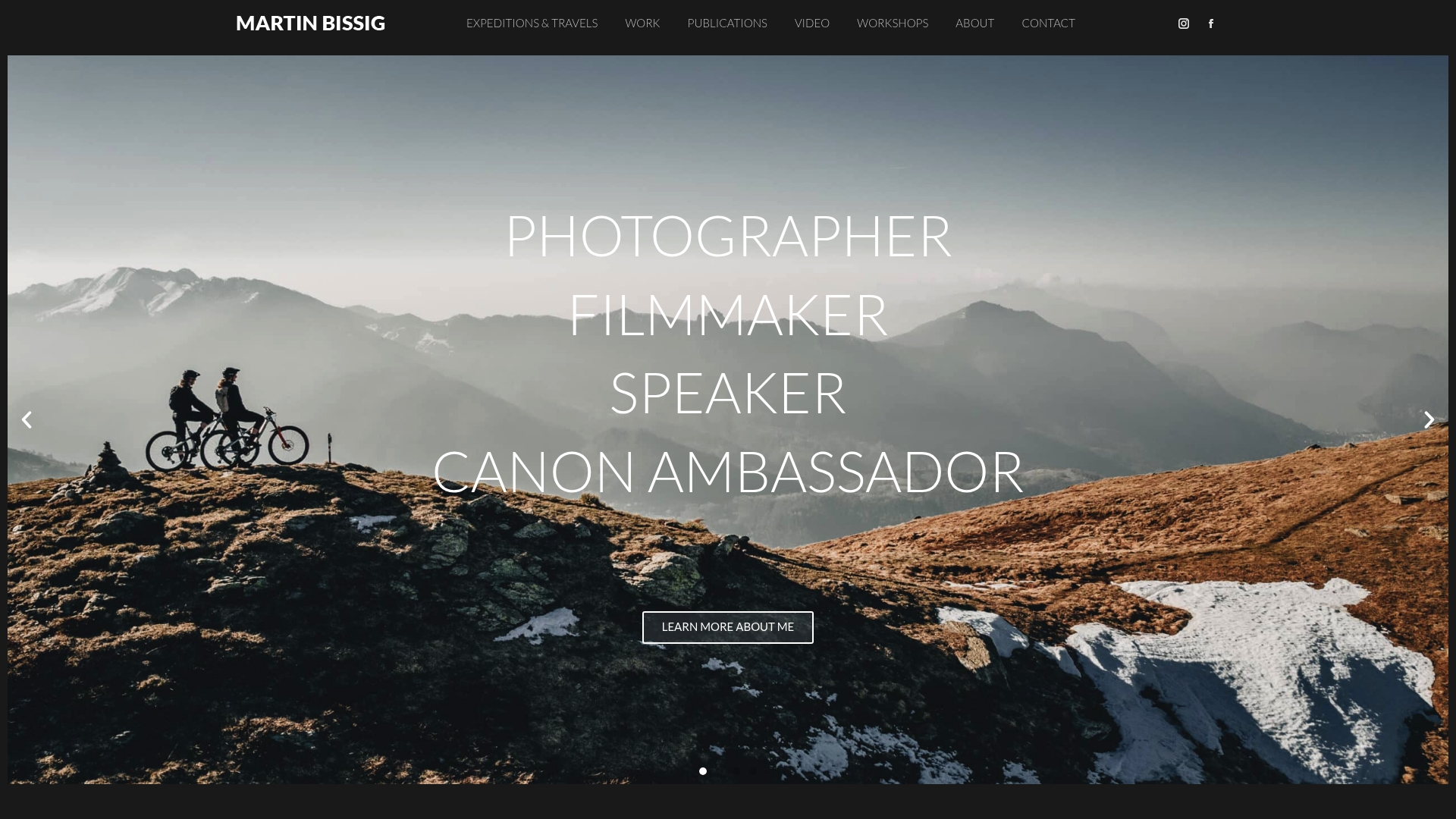
Bissig’s work across mountain biking, expedition filmmaking, and action sports shows what cinematic technique looks like when applied to real, uncontrolled environments. The same principles covered here, motivated lighting, deliberate composition, controlled motion, and consistent color grading, apply directly to outdoor work. For creators ready to go deeper, Bissig’s guide to action sports videography covers the specific workflows and camera techniques that translate cinematic principles into fast-moving outdoor footage. For a broader foundation in visual storytelling outdoors, the outdoor photography guide covers styles, techniques, and pro tips that apply equally to video work.
FAQ
What defines cinematic video vs. regular video?
Cinematic video is defined by intentional storytelling through deliberate choices in planning, lighting, composition, camera movement, color grading, and sound design. Regular video captures moments reactively with minimal pre-production or post-production work.
What frame rate is used for cinematic video?
The standard cinematic frame rate is 24fps, paired with a 180° shutter angle to produce natural motion blur. This combination creates the motion language the human eye associates with film.
Do you need expensive gear to make cinematic videos?
No. Cinematic results come from consistency across planning, capture, and post-production, not from camera price. A mirrorless camera with a prime lens and an ND filter is sufficient when the operator understands cinematography principles.
What is the role of color grading in cinematic video?
Color grading unifies footage and supports the emotional tone of the story. Shooting in a flat or log profile preserves dynamic range, and the grade is applied in post-production using tools like DaVinci Resolve to create a consistent visual mood.
How does sound design contribute to the cinematic style?
Sound design layers ambient audio, music, and effects to create a physical sense of place and guide the viewer’s emotional response. It is a core element of cinematic video, not an afterthought added during export.


