

Professional filmmakers are defined by their ability to combine technical mastery, narrative strategy, and production efficiency to deliver video content that drives measurable business results. The advantages of professional filmmakers extend far beyond sharp visuals. They shape how audiences perceive your brand, how much they trust it, and whether they buy. With 91% of businesses using video marketing and 87% of marketers reporting positive ROI, the real competitive edge no longer comes from simply having video. It comes from having video that is expertly produced. This article breaks down exactly what brands and organizations gain when they hire professional filmmakers instead of settling for less.
1. What are the core advantages of professional filmmakers?
Professional filmmakers bring three things that amateur or DIY video cannot replicate: technical precision, narrative structure, and production planning. These are not aesthetic luxuries. They are the foundations of video that converts viewers into customers.

Technical precision means shooting with cinema-grade cameras, controlled lighting rigs, and professional audio capture. Poor audio alone kills viewer trust faster than any visual flaw. Narrative structure means building a story arc that holds attention and delivers a clear message. Production planning means every shot, every format, and every deliverable is mapped before the camera rolls.
The contrast with DIY video is stark. Brands that rely on smartphone footage or untrained staff often face reshoots, inconsistent color grading, and audio that undermines their message. Professional filmmakers eliminate these failure points before they become budget problems.
- Cinema-grade equipment: Cameras like the Canon EOS C70 or Sony FX6 capture detail that consumer devices cannot match.
- Controlled audio: Lavalier mics, boom poles, and location sound monitoring prevent the muffled dialogue that kills credibility.
- Lighting design: Three-point lighting setups and natural light management create visual consistency across a full shoot day.
- Narrative planning: Shot lists, storyboards, and interview frameworks keep storytelling on track.
- Efficient production: Fewer wasted hours on set means lower total cost per deliverable.
Pro Tip: Brief your filmmaker with a clear creative direction document before pre-production begins. Filmmakers who understand your brand voice from day one produce stronger first cuts and require fewer revision rounds.
2. How professional filmmakers build consumer trust
Consumer trust is the single most undervalued output of professional video production. A 2026 peer-reviewed study confirms that all four consumer trust dimensions positively impact purchase intention, mediated by perceived value. When your video looks and sounds professional, viewers assign higher value to your brand before they even read a word of copy.
Professional filmmakers protect trust by eliminating the credibility gaps that poor production creates. Shaky footage, inconsistent color, and muddy audio all signal to viewers that a brand does not invest in quality. That signal transfers directly to how they perceive the product or service being promoted.
“Increasing consumer trust via professional video reduces credibility gaps that arise from poor messaging or technical issues, which directly influence purchase decisions.”
The mechanics here are specific. Professional filmmakers control message clarity through scripting and interview coaching. They control visual consistency through color grading. They control audio quality through dedicated sound recording. Each of these elements, when done correctly, reinforces the viewer’s confidence in your brand.
3. Why storytelling depth separates expert filmmakers from amateurs
Professional documentary and commercial filmmakers build emotional connection through narrative structure, not just pretty shots. Storytelling depth and emotional connection are what strengthen brand trust and long-term audience engagement. Amateurs capture moments. Professionals build arcs.
A skilled filmmaker knows how to structure an interview so the subject’s most compelling answer lands at the right moment in the edit. They know how to use B-roll to reinforce a spoken claim rather than just fill visual space. They know when silence is more powerful than music. These are craft decisions that take years to develop.
For outdoor and adventure brands in particular, this storytelling depth is the difference between a product video and a film that makes viewers feel something. When a viewer feels something, they share it, remember it, and act on it. That is the value of professional videography that no spec sheet can quantify.
4. The strategic advantage of multi-format production
One professional shoot can generate an entire content library. Strategic multi-format production means planning a single shoot to deliver hero videos, social cuts, vertical formats, and speaker soundbites simultaneously. This approach multiplies the return on every production dollar spent.
Here is how a well-planned professional shoot breaks down into deliverables:
- Hero video (16:9): The flagship brand film for your website and YouTube channel.
- Social cuts (60 seconds or less): Edited versions optimized for Instagram, Facebook, and LinkedIn.
- Vertical formats (9:16): Reframed content for Instagram Reels, TikTok, and YouTube Shorts.
- Speaker soundbites: Short quote clips from interviews for use in email campaigns and ads.
- Still frames: High-resolution grabs from video footage for use in blog posts and social graphics.
- Behind-the-scenes content: Raw or lightly edited footage that feeds organic social channels.
This asset bank approach means your brand stays active across platforms for months after a single shoot day. The cost per asset drops dramatically compared to commissioning separate productions for each format.
Pro Tip: Specify every deliverable format before the shoot begins. Defining hero 16:9, 9:16 vertical, and soundbite clips upfront prevents expensive re-editing and ensures the cinematographer captures the right framing for every output.
5. How professional video impacts marketing performance metrics
The performance data behind professional video is not subtle. Emails with video thumbnails achieve 200–300% higher click-through rates compared to text-only emails. Landing pages with video see conversion lifts up to 80%. These are not marginal gains. They are the kind of numbers that change quarterly revenue reports.
Professional filmmakers produce video specifically designed for the distribution channel it will live in. A video built for a landing page has a different pacing, call-to-action placement, and length than one built for an email thumbnail. That channel-specific thinking is what separates expert video production from generic content.
| Marketing channel | Impact of professional video |
|---|---|
| Email campaigns | 200–300% higher click-through rates |
| Landing pages | Up to 80% conversion lift |
| Social media | Short-form video delivers highest ROI per HubSpot 2024 |
| Overall marketing | 87% of marketers report positive video ROI |
Short-form video delivers the highest ROI and engagement rates of any content format, according to HubSpot’s 2024 Video Marketing Report. Professional filmmakers who specialize in short-form know how to compress a brand story into 30 seconds without losing its emotional core.
6. Why professional filmmakers reduce long-term production costs
Hiring a professional filmmaker costs more upfront than a DIY approach. It costs less over time. The reason is rework. Brands that produce amateur video frequently discover in post-production that they are missing shots, that audio is unusable, or that the footage does not match the edit they envisioned. Reshoots are expensive. Fixing audio in post is expensive and often impossible to do well.
Professional filmmakers run pre-production processes that prevent these problems. Shot lists, location scouts, lighting plans, and equipment checks happen before the camera rolls. The result is a shoot that delivers what was promised, on time, without surprise costs.
Professional production efficiency also means faster turnaround on edits. A filmmaker who captured clean, well-organized footage hands an editor material that cuts quickly. That speed reduces post-production hours and gets your content to market faster.
7. How professional filmmakers differentiate brands in a saturated market
Differentiation now comes from production quality, not from video presence alone. When nearly every brand publishes video, the brands that stand out are the ones whose video looks and feels different. Professional filmmakers are the mechanism for that differentiation.
This is especially true for outdoor, adventure, and sports brands. A mountain biking brand that publishes shaky GoPro footage competes poorly against one that publishes a cinematic trail film with a clear narrative and professional color grade. The second brand signals expertise, investment, and confidence. Those signals influence purchasing decisions at every stage of the funnel.
Brands that work with specialists like Bissig, a Canon ambassador and commercial filmmaker based in Switzerland, gain access to technical skills and creative vision built through years of shooting in demanding outdoor environments. That experience shows in the final film. Viewers feel it even when they cannot articulate why.
Key takeaways
Professional filmmakers deliver measurable marketing advantages by combining technical quality, narrative depth, and multi-format production planning that amateur video cannot replicate.
| Point | Details |
|---|---|
| Trust drives purchase intent | Professional video quality directly increases consumer trust and purchase intention. |
| Multi-format planning multiplies ROI | One shoot can generate hero films, social cuts, verticals, and soundbites simultaneously. |
| Performance metrics are significant | Video in emails lifts click-through rates by 200–300%; landing page video lifts conversions up to 80%. |
| Rework costs more than professionals | Pre-production planning by professionals eliminates expensive reshoots and post-production fixes. |
| Differentiation requires quality | With 91% of businesses using video, production quality is now the primary competitive differentiator. |
What I have learned from years of brand filmmaking
The brief is where most brands lose money
Every brand I have worked with that struggled with their video content had the same problem: they came to the shoot without a clear brief. They knew they wanted a film, but they had not decided what they wanted viewers to feel, do, or believe after watching it. That ambiguity costs money in extra shooting days and revision rounds.
The brands that get the most from professional filmmakers are the ones that arrive with a defined goal, a clear audience, and at least a rough idea of where the video will live. That information shapes every creative decision, from shot selection to music choice to edit pacing. Without it, even the best filmmaker is guessing.
The other thing I have seen consistently is that brands underestimate the value of the asset bank. They commission a hero film and then wonder why they have nothing to post on Instagram for the next three months. Planning for multiple deliverables from a single shoot is not a production luxury. It is basic marketing efficiency. The filmmaking strategy for outdoor brands that works is the one built around a content calendar, not a single deliverable.
Authenticity matters more than perfection. The best brand films I have made are the ones where the subject forgot the camera was there. Professional filmmakers create the conditions for that to happen. That is a skill that no amount of consumer-grade equipment can replace.
— Martin
Bissig’s approach to professional brand filmmaking
Brands that need video content built for demanding outdoor and adventure contexts require a filmmaker who has actually been in those environments. Bissig specializes in commercial and editorial filmmaking for outdoor, sports, and adventure brands, with production experience across locations including Pakistan and California.
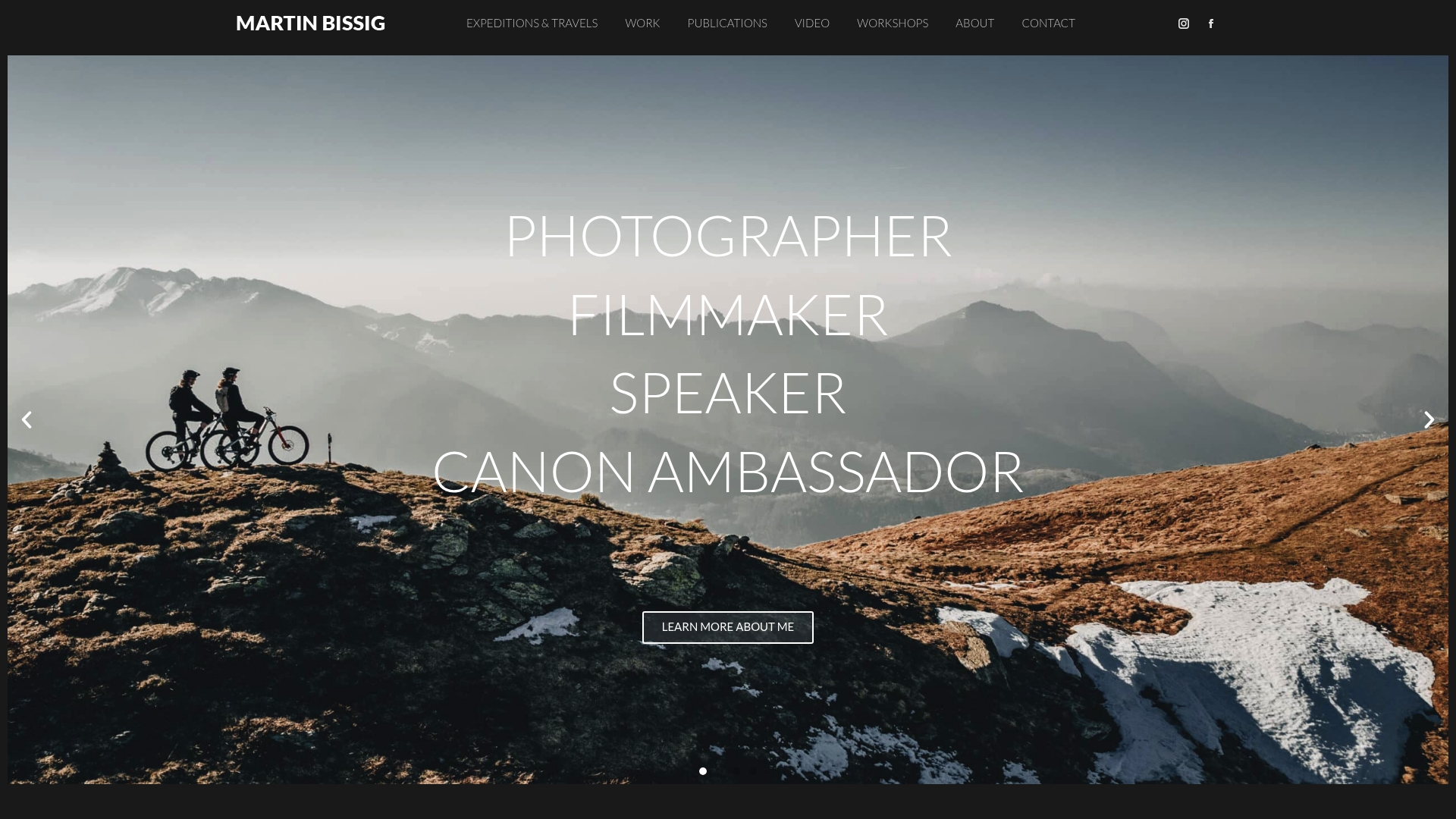
Whether you need a cinematic hero film, a suite of social cuts, or a full content library from a single expedition shoot, Bissig delivers production quality that reflects the ambition of your brand. As a Canon ambassador with a track record of editorial and commercial work, Martin Bissig brings both technical depth and creative vision to every project. Explore how professional outdoor videography translates directly into stronger marketing results, or review the full video production process to understand what a professional shoot looks like from brief to final delivery.
FAQ
What are the main advantages of professional filmmakers for brands?
Professional filmmakers deliver technical quality, narrative structure, and multi-format production planning that directly increase consumer trust and marketing performance metrics like click-through and conversion rates.
How does professional video quality affect consumer trust?
A 2026 peer-reviewed study confirms that consumer trust dimensions positively impact purchase intention, mediated by perceived value. Professional video signals brand credibility before a viewer reads a single word of copy.
Is professional video production worth the cost for smaller brands?
Professional production reduces long-term costs by eliminating reshoots and post-production fixes. A single well-planned shoot generates multiple deliverables, making the cost per asset significantly lower than commissioning separate productions.
What formats should brands request from a professional filmmaker?
Brands should specify hero 16:9 films, 9:16 vertical cuts, 60-second social edits, and speaker soundbites before the shoot begins. Defining formats upfront prevents expensive re-editing and maximizes the return on a single production day.
How does professional video impact email and landing page performance?
Emails with video thumbnails achieve 200–300% higher click-through rates than text-only emails. Landing pages with video see conversion lifts up to 80%, based on Campaign Monitor and Unbounce benchmarks.


